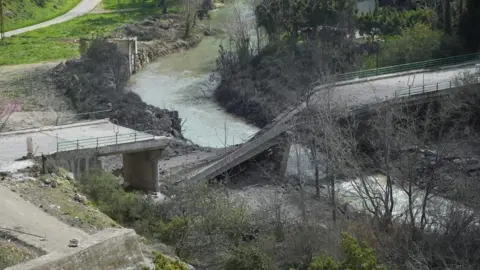
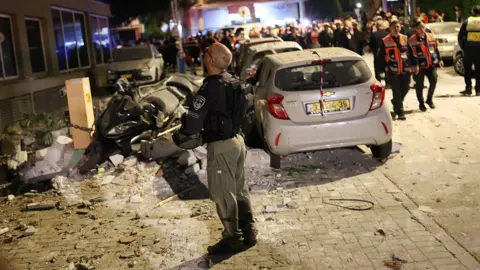
Israel launched airstrikes on Wednesday morning in Hezbollah-influenced regions, including the southern outskirts of Beirut and the city of Nabatieh. The strikes were aimed at Hezbollah's militant infrastructure, according to the Israeli military, including underground weapons storage in the Haret Hreik neighborhood. This area, heavily affected during the 2006 conflict, has seen repeated attacks as part of Israel's effort to neutralize the Hezbollah threat. Despite the military focus, Lebanese officials reported at least five fatalities, including Nabatieh’s mayor, due to the strikes on municipal buildings.
The situation underscores ongoing regional tensions, with Israel taking decisive military action against what it describes as threats from Hezbollah. Simultaneously, this military maneuvering has prompted international scrutiny. The United States has expressed apprehension about the civilian toll of these actions, urging Israel to consider the impacts on non-combatants. There is also heightened concern within Lebanon, where local infrastructure and emergency services are under increasing strain due to the continuous threat of airstrikes.
This fresh wave of violence draws attention to broader geopolitical dynamics in the region, particularly the delicate balance of military assertiveness and humanitarian concerns. Coupled with the intense focus on the Northern border with Hezbollah, the conflict's expansion raises alarms about further destabilization and the potential for broader conflict in the Middle East.
The situation underscores ongoing regional tensions, with Israel taking decisive military action against what it describes as threats from Hezbollah. Simultaneously, this military maneuvering has prompted international scrutiny. The United States has expressed apprehension about the civilian toll of these actions, urging Israel to consider the impacts on non-combatants. There is also heightened concern within Lebanon, where local infrastructure and emergency services are under increasing strain due to the continuous threat of airstrikes.
This fresh wave of violence draws attention to broader geopolitical dynamics in the region, particularly the delicate balance of military assertiveness and humanitarian concerns. Coupled with the intense focus on the Northern border with Hezbollah, the conflict's expansion raises alarms about further destabilization and the potential for broader conflict in the Middle East.