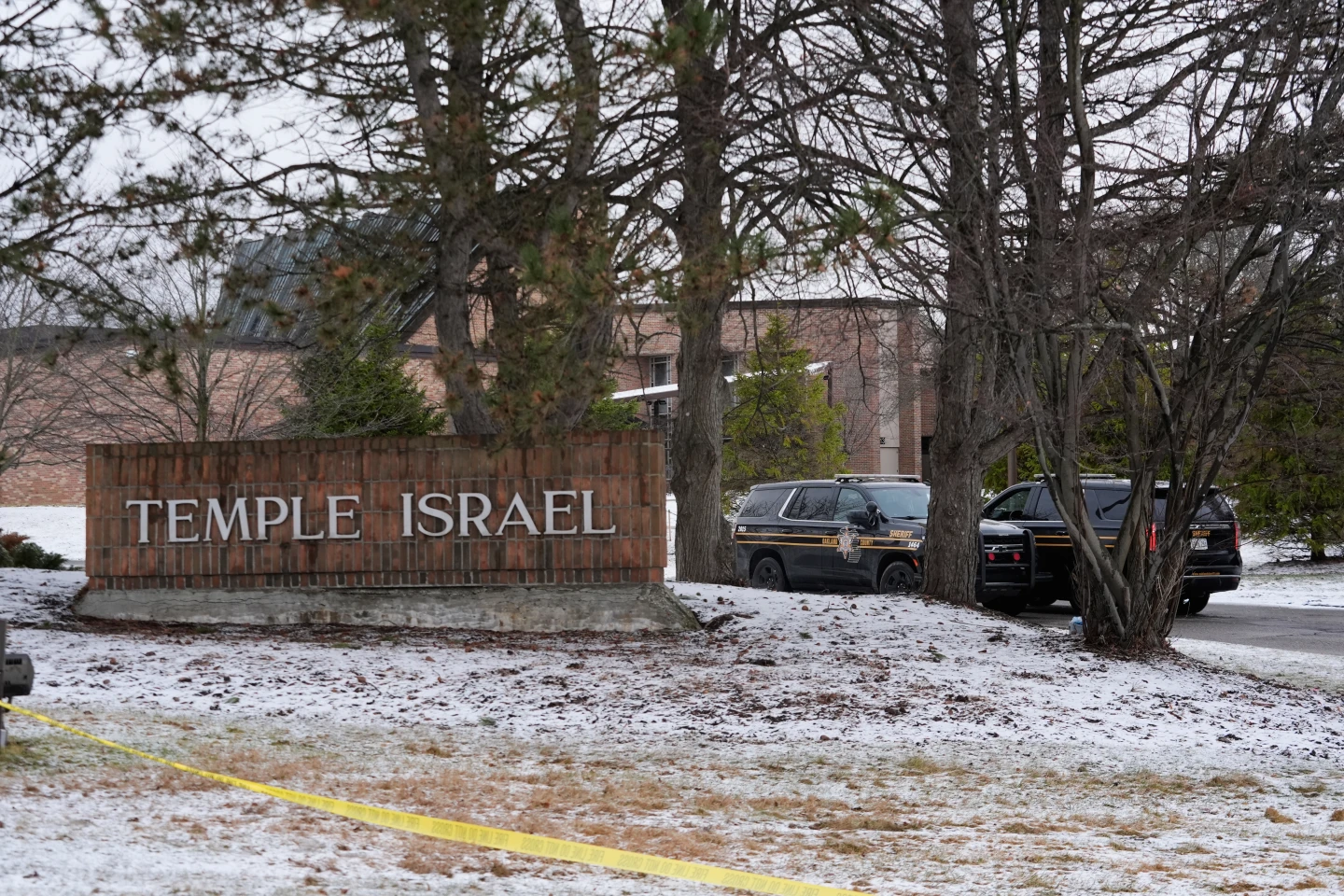
In light of escalating conflicts in the Middle East, many U.S. Jews find themselves in a precarious position, torn between feelings of insecurity due to rising antisemitism and divisions over Israel's policies. The recent attack on a Detroit-area synagogue highlights this dilemma, raising questions about the impact of Israel's actions on Jewish safety and unity.
Rabbi Rick Jacobs, president of the Union for Reform Judaism, voiced deep concerns, asserting that targeting Jewish institutions in the U.S. in response to foreign conflicts is not a valid political protest, but rather antisemitism. This sentiment resonates amid a climate where discussions around Israel's governance invoke varied reactions within Jewish communities.
Peter Beinart, a Jewish author, echoed similar sentiments, condemning violence against Jewish people while maintaining his critique of Israel's policies towards Palestinians. The ongoing Israeli-Palestinian conflict has sparked intense debate about the responsibilities of American Jews towards Israeli government actions.
Amy Spitalnick, CEO of the Jewish Council for Public Affairs, emphasized the need for open expression of beliefs, notwithstanding the potential for backlash. This open discourse reflects the complex relationship Jews maintain with their support for Israel versus condemnation of specific government actions.
The escalating costs of security for synagogues following increased antisemitic violence indicate a grim reality for American Jews, who find themselves navigating a charged atmosphere where personal beliefs about Israel can affect community safety.
Despite the pressure, there is a noticeable trend of solidarity developing among Jews seeking to reinforce their cultural and religious connections, particularly after the tragic events in Gaza and subsequent attacks.
As the conversation continues, many in the Jewish community are fervently advocating against utilizing antisemitic sentiments as a means to undermine legitimate criticism of Israel, while recognizing the complexities woven into their identities as both Jews and Americans.