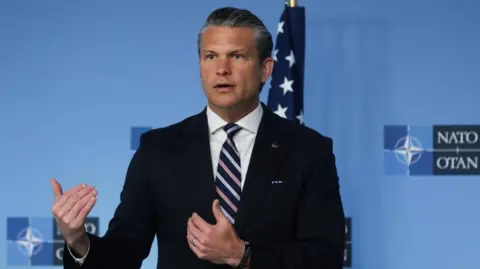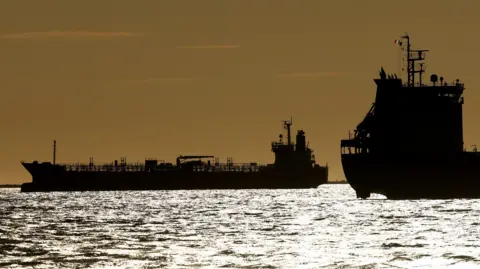
The US is contemplating lifting sanctions on Iranian oil to mitigate the war's impact on energy markets, according to Treasury Secretary Scott Bessent. In a recent Fox interview, Bessent argued that this move could increase oil availability globally, which has seen prices spike due to disrupted shipping and production caused by the ongoing conflict.
If realized, this proposal would signify a major shift in US policy regarding Iranian oil sanctions, with uncertain implications. Experts caution that while it could provide additional oil supplies to countries like India and Japan, the overall effect on prices may be limited and could inadvertently fund the Iranian regime's war efforts.
To put it mildly, this is bananas, stated David Tannenbaum, director of Blackstone Compliance Services, highlighting the risks involved. Historically, China has been the primary buyer of Iranian oil, often at discounted rates owing to existing sanctions.
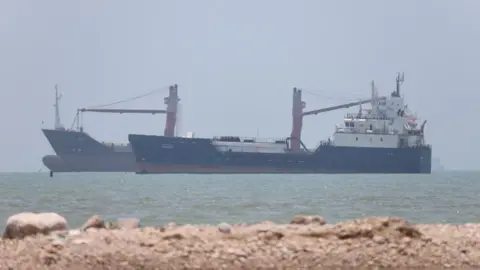
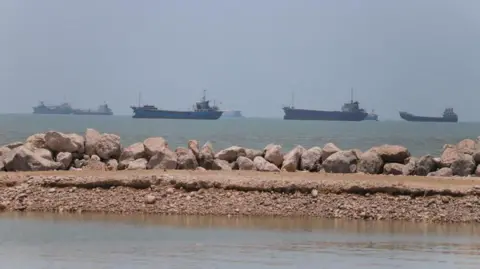
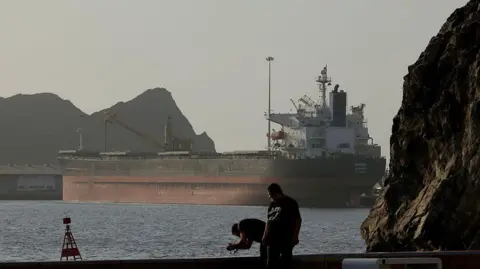
In his interview, Bessent indicated that waiving sale restrictions on approximately 140 million barrels of oil already at sea could temporarily lower global prices. However, details on ensuring that oil sale revenues do not benefit the Iranian government were not disclosed by the Treasury Department.
President Trump remains noncommittal about the proposal, emphasizing the need to manage pricing without providing a clear plan. Analysts believe that, while the supply in question is relatively small compared to the global demand, the US administration is under pressure to address the current energy crisis as it seeks to stabilize markets after the outbreak of war resulted in the loss of a significant portion of global oil supply.
Amid ongoing instability, the US has also released millions of barrels from its reserves and discussed a prior suspension of certain sanctions against Russian oil, measures that have drawn criticism for potentially prolonging conflicts against international adversaries.
The complexity surrounding lifting Iranian sanctions underscores the US administration's struggle to balance energy needs with geopolitical strategy as it navigates an increasingly fractured landscape of global oil supply and demand.}
If realized, this proposal would signify a major shift in US policy regarding Iranian oil sanctions, with uncertain implications. Experts caution that while it could provide additional oil supplies to countries like India and Japan, the overall effect on prices may be limited and could inadvertently fund the Iranian regime's war efforts.
To put it mildly, this is bananas, stated David Tannenbaum, director of Blackstone Compliance Services, highlighting the risks involved. Historically, China has been the primary buyer of Iranian oil, often at discounted rates owing to existing sanctions.
In his interview, Bessent indicated that waiving sale restrictions on approximately 140 million barrels of oil already at sea could temporarily lower global prices. However, details on ensuring that oil sale revenues do not benefit the Iranian government were not disclosed by the Treasury Department.
President Trump remains noncommittal about the proposal, emphasizing the need to manage pricing without providing a clear plan. Analysts believe that, while the supply in question is relatively small compared to the global demand, the US administration is under pressure to address the current energy crisis as it seeks to stabilize markets after the outbreak of war resulted in the loss of a significant portion of global oil supply.
Amid ongoing instability, the US has also released millions of barrels from its reserves and discussed a prior suspension of certain sanctions against Russian oil, measures that have drawn criticism for potentially prolonging conflicts against international adversaries.
The complexity surrounding lifting Iranian sanctions underscores the US administration's struggle to balance energy needs with geopolitical strategy as it navigates an increasingly fractured landscape of global oil supply and demand.}