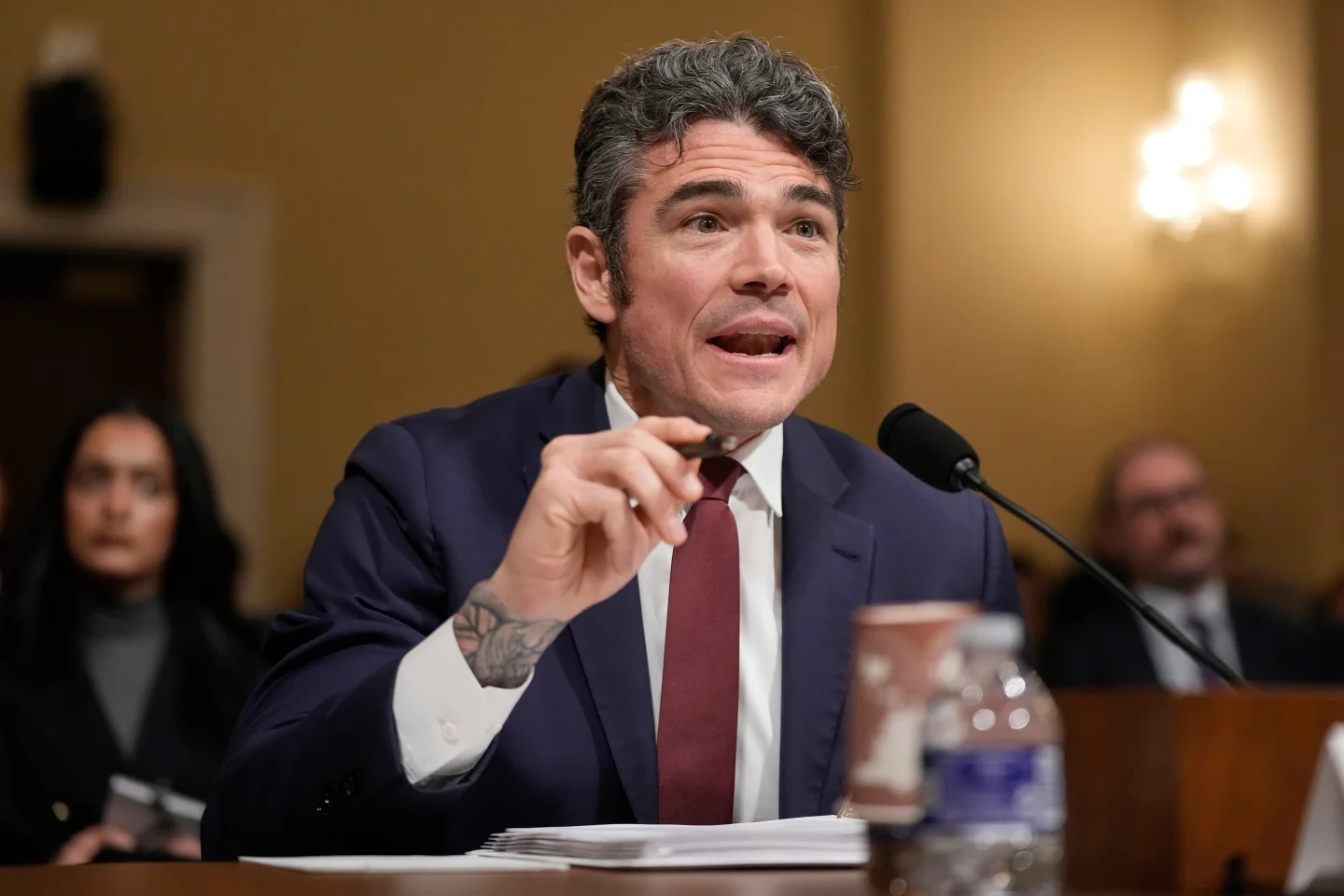
Joe Kent's resignation from his counterterrorism role in the Trump administration has caused significant backlash, as he turned to right-wing media to criticize U.S. actions toward Iran and implied a conspiracy involving pro-Israel groups. His comments on Tucker Carlson's podcast have reignited debates surrounding the GOP's traditional support for Israel and the implications of such rhetoric on antisemitism within the party.
Kent attributed the impetus for military actions against Iran to Israeli influence, claiming that high-ranking Israeli officials and major figures in the American media are driving this conflict. He made alarming statements regarding a supposed connection between Israel and the assassination of conservative activist Charlie Kirk, suggesting these are part of larger undisclosed narratives.
At the center of this controversy is Tucker Carlson, who has been viewed as a pivotal figure in shaping conservative discourse, previously inviting figures linked to extremist ideologies to his platform. His remarks against Israel's lobby exerting pressure on U.S. foreign policy further deepen the rift within Republican ranks, drawing reactions from various party leadership.
Critics like Matt Brooks of the Republican Jewish Coalition voiced concerns over Kent's influence, highlighting that his podcast appearance represents a broader trend within the GOP of embracing harmful antisemitic tropes that compromise long-standing alliances.
Even amidst escalating tensions, the line between political critique and antisemitism appears increasingly blurred, as evident in broader party discussions following the Hamas attacks in October. This evolving narrative, which challenges traditional GOP stances on Israel, continues to create divisions with reactions ranging from support to outright condemnation.