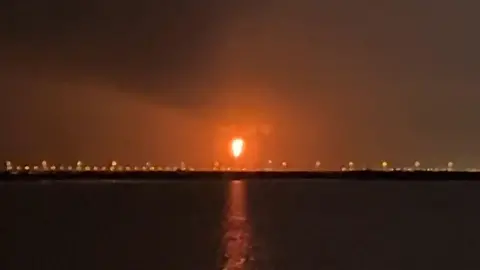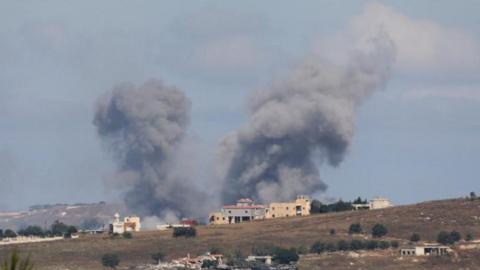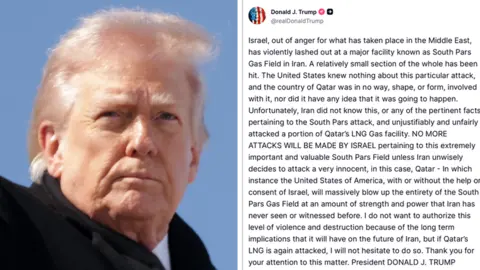
In the wake of recent military actions against Iranian interests, President Donald Trump issued a forceful statement on Truth Social, reflecting his frustration and concern about the evolving landscape of the Iran war. The conflict escalated when Israel targeted Iran's South Pars gas field, prompting a retaliatory strike by Tehran on Qatar's energy facilities, which resulted in a rise in global energy prices.
Trump's communication indicated he was unaware of any prior coordination with Israel regarding the gas field attack, stating, the United States knew nothing about this particular attack. However, this assertion contradicts multiple Israeli reports suggesting that the assault was planned in advance with the US involvement. In fact, Israeli sources disclosed that discussions concerning the strike had taken place between Trump and Gulf leaders shortly before the attack.
Trump's description of the Israeli action as one performed 'out of anger' resembles language usually reserved for Iranian responses, which muddles the perception of US-Israeli alignment. Furthermore, his declaration that NO MORE ATTACKS WILL BE MADE BY ISRAEL unless provoked by Iran raises eyebrows about the US's influence over Israeli military decisions, indicating potential tensions between Washington and Jerusalem.
Moreover, Trump's post exudes a belligerent tone where he threatens massive retribution should Iran retaliate against Qatari assets. His rhetoric has repeatedly oscillated between aggression and caution, underlining the complexity of the geopolitical landscape and the challenges faced by both nations as they confront the Iranian regime.
Israeli officials, keen to portray a unified front, assert that their objectives regarding Iran are closely aligned with those of the US. They maintain that both countries aim to counteract Iranian influence in the region, a sentiment echoed by various spokespeople. Nevertheless, discrepancies emerge in their tactical approaches, particularly with Israel’s persistent ambition to instigate regime change in Iran, in contrast to the US strategy focusing on halting military capabilities.
As tensions simmer and energy prices fluctuate due to these developments, the need for clarity in US-Israeli coordination remains paramount. The ramifications this conflict holds for international relations and regional stability continue to unfold, raising significant questions about the future intertwined paths of these two allies.