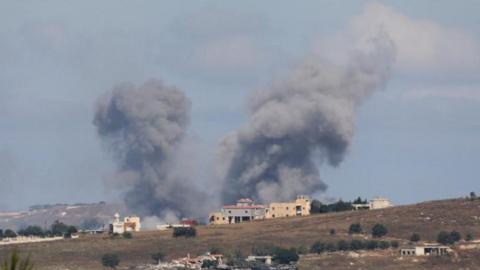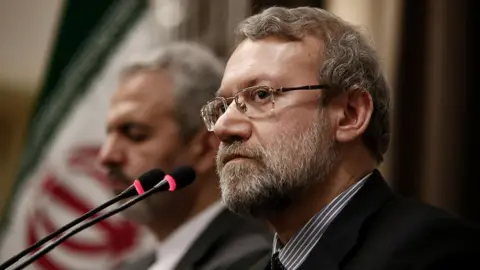
The assassination of Iran’s influential security chief, Ali Larijani, by an Israeli airstrike has intensified the ongoing leadership crisis within the Iranian government. Larijani was not a military commander but played a pivotal role in shaping the Islamic Republic’s strategic decisions. As the secretary of the Supreme National Security Council, his influence extended across military and diplomatic fronts, particularly in managing relations with the United States and Israel.
His unexpected death follows the killing of Supreme Leader Ali Khamenei, marking a brutal period of targeted strikes against senior Iranian officials. This trend underscores a systematic effort to dismantle Iran’s leadership amid escalating conflict. Despite being identified as a hardliner against the West, Larijani was also regarded as a pragmatist who sought diplomatic solutions, evident in his involvement in Iran’s agreements with China.
At the time of his assassination, Larijani was managing multiple crises, including a protracted war abroad, growing domestic unrest triggered by economic grievances, and stalled negotiations related to Iran's nuclear ambitions. His removal raises severe uncertainties for the country, as Iran’s leadership grapples with a fragile situation; without Larijani's strategic oversight, Iran may shift towards a more militarized and less coordinated response to both external and internal threats.
This leadership vacuum risks amplifying instability in Iran. Observers suggest that the authority might shift further towards the military, with indications that armed forces could act autonomously in the absence of senior leadership. Given the current volatility, the new leadership will undoubtedly face increased challenges from both the international community and dissenting voices within Iran, leading to dire implications for the nation’s future stability.
His unexpected death follows the killing of Supreme Leader Ali Khamenei, marking a brutal period of targeted strikes against senior Iranian officials. This trend underscores a systematic effort to dismantle Iran’s leadership amid escalating conflict. Despite being identified as a hardliner against the West, Larijani was also regarded as a pragmatist who sought diplomatic solutions, evident in his involvement in Iran’s agreements with China.
At the time of his assassination, Larijani was managing multiple crises, including a protracted war abroad, growing domestic unrest triggered by economic grievances, and stalled negotiations related to Iran's nuclear ambitions. His removal raises severe uncertainties for the country, as Iran’s leadership grapples with a fragile situation; without Larijani's strategic oversight, Iran may shift towards a more militarized and less coordinated response to both external and internal threats.
This leadership vacuum risks amplifying instability in Iran. Observers suggest that the authority might shift further towards the military, with indications that armed forces could act autonomously in the absence of senior leadership. Given the current volatility, the new leadership will undoubtedly face increased challenges from both the international community and dissenting voices within Iran, leading to dire implications for the nation’s future stability.