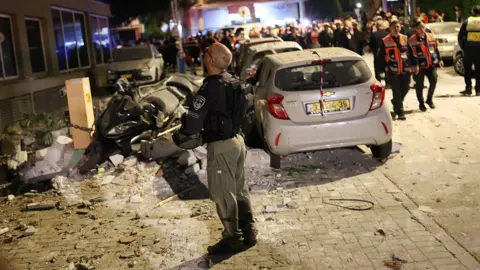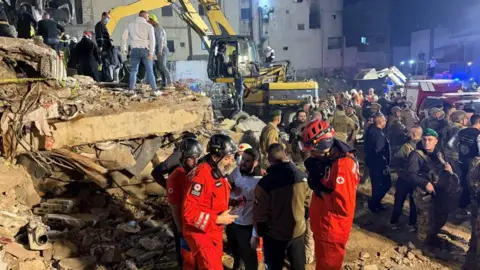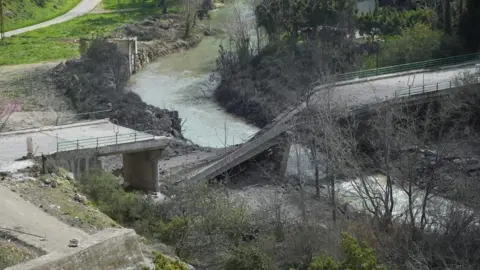
Israeli air strikes have destroyed two bridges over the Litani River, linking southern Lebanon with the rest of the country, according to the military. The attacks are part of a broader Israeli strategy targeting alleged Hezbollah crossings used to transport fighters and weapons. In recent operations, strikes in Beirut resulted in at least 12 fatalities and 27 injuries as Israeli military actions expanded beyond southern suburbs into central areas of the capital.
Since March 2, the Lebanese health ministry reported nearly 1,000 casualties, including 111 children. The escalation of the conflict follows Hezbollah's missile attacks into Israel, prompting retaliatory air strikes and ground troop deployments by Israel in southern Lebanon.
Israeli Defence Minister Israel Katz stated the bridge strikes were finalized as a 'direct action against Hezbollah's use of Lebanon's state infrastructure to advance terrorist activities.' Warnings were issued to civilians near targeted locations to evacuate ahead of strikes. Earlier attacks had already impacted the Zrarieh Bridge, with damages reported.
With the ongoing conflict leading to over a million displaced people, particularly from southern and eastern Lebanon and southern Beirut—areas dominated by Hezbollah—fears mount over the humanitarian crisis. The Litani River, central to Lebanon's security landscape, remains a focal point of military activities under UN Security Council guidelines established post-2006 war.
In an alarming trend, Israeli air strikes are now hitting various locations across Beirut, including civilian areas under the pretext of targeting Hezbollah-associated infrastructure. Onlookers have expressed shock and anger, underscoring the growing discontent among civilians caught in the conflict's crossfire, leading to tragic loss of life and further destabilization of the region.
Since March 2, the Lebanese health ministry reported nearly 1,000 casualties, including 111 children. The escalation of the conflict follows Hezbollah's missile attacks into Israel, prompting retaliatory air strikes and ground troop deployments by Israel in southern Lebanon.
Israeli Defence Minister Israel Katz stated the bridge strikes were finalized as a 'direct action against Hezbollah's use of Lebanon's state infrastructure to advance terrorist activities.' Warnings were issued to civilians near targeted locations to evacuate ahead of strikes. Earlier attacks had already impacted the Zrarieh Bridge, with damages reported.
With the ongoing conflict leading to over a million displaced people, particularly from southern and eastern Lebanon and southern Beirut—areas dominated by Hezbollah—fears mount over the humanitarian crisis. The Litani River, central to Lebanon's security landscape, remains a focal point of military activities under UN Security Council guidelines established post-2006 war.
In an alarming trend, Israeli air strikes are now hitting various locations across Beirut, including civilian areas under the pretext of targeting Hezbollah-associated infrastructure. Onlookers have expressed shock and anger, underscoring the growing discontent among civilians caught in the conflict's crossfire, leading to tragic loss of life and further destabilization of the region.