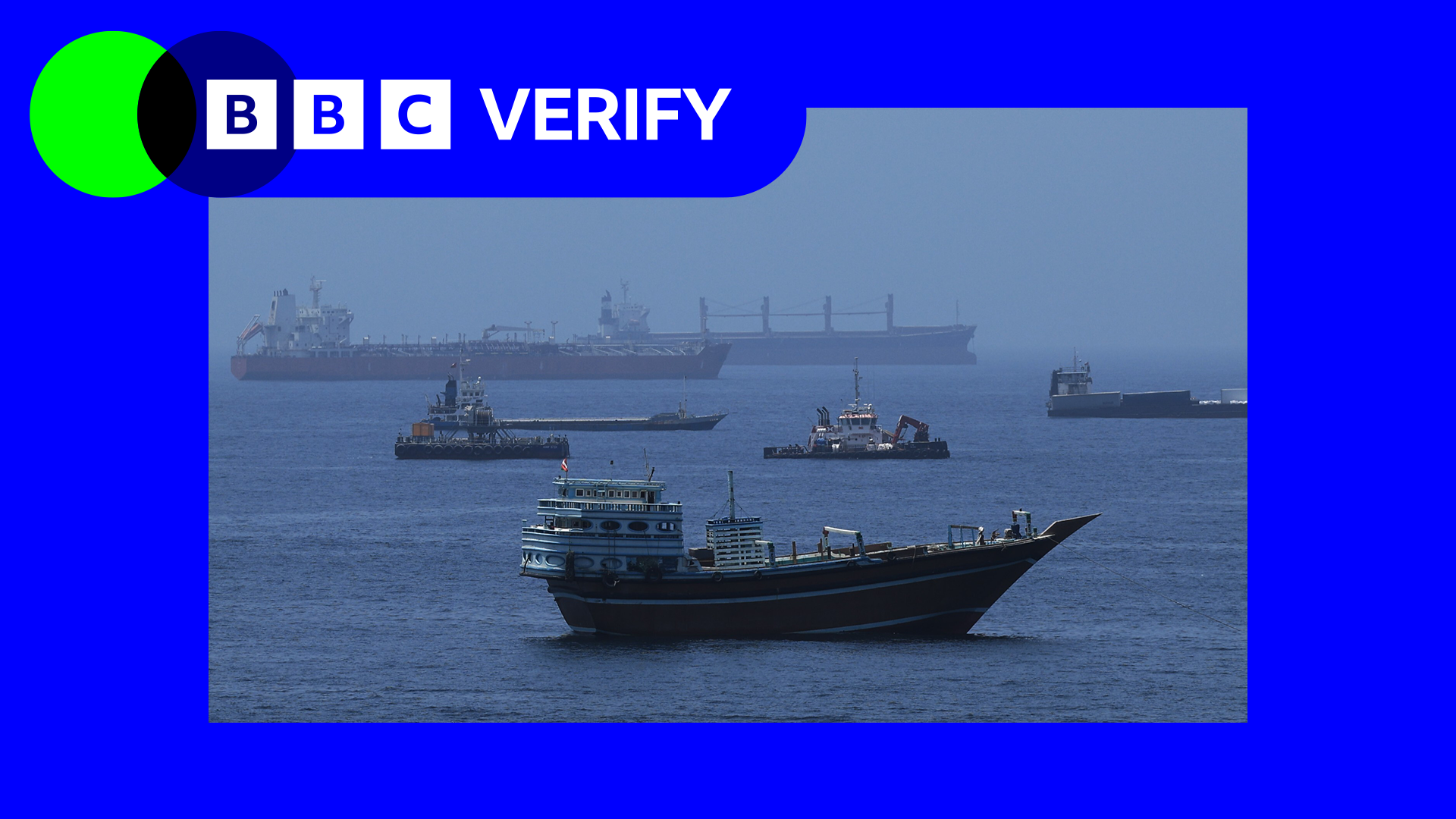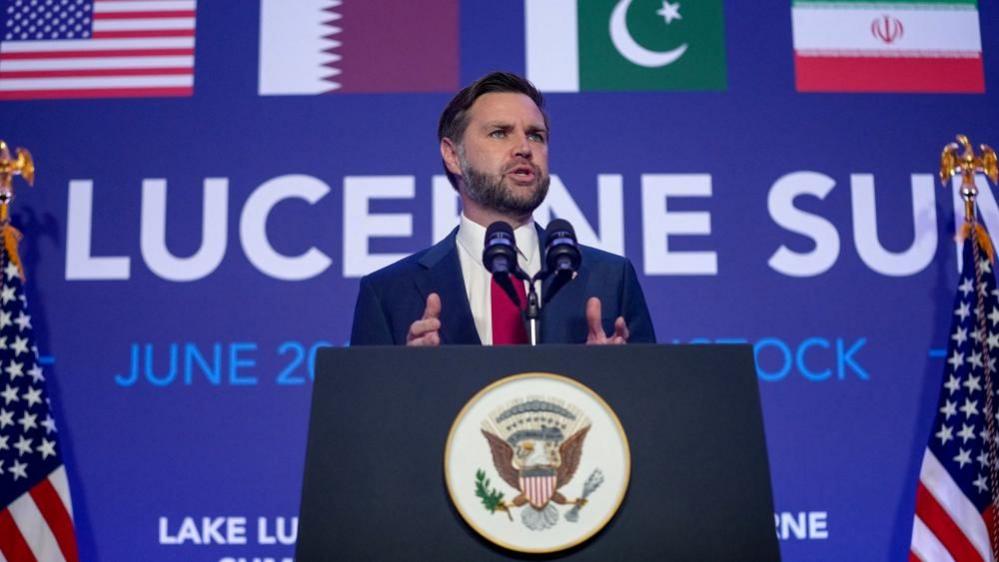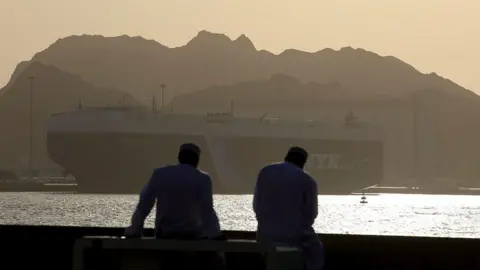
The Memorandum of Understanding signed between the United States and Iran on Wednesday lifts the blockade on the Strait of Hormuz and sets the stage for a high‑stakes, 60‑day negotiation period in Geneva.
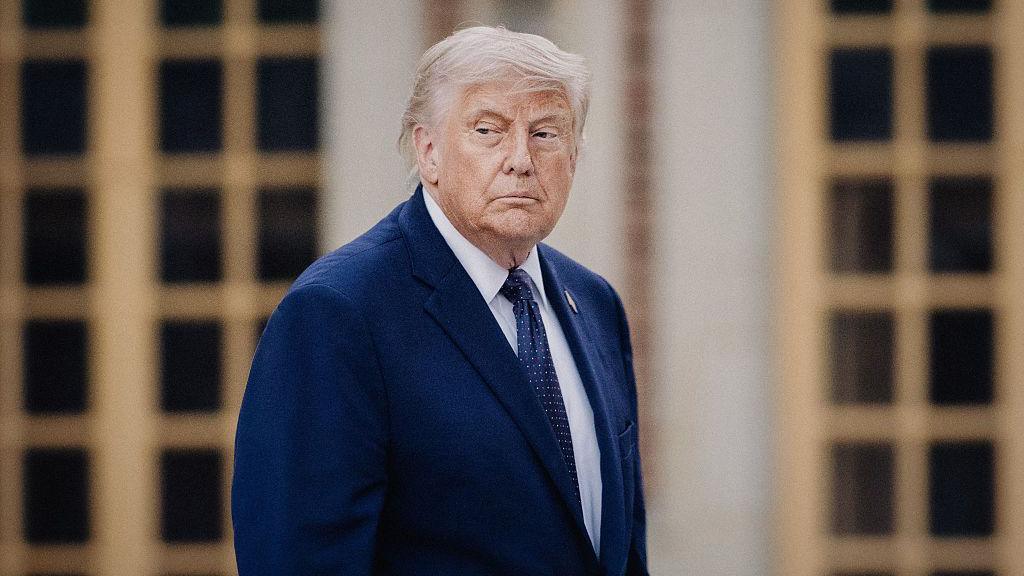
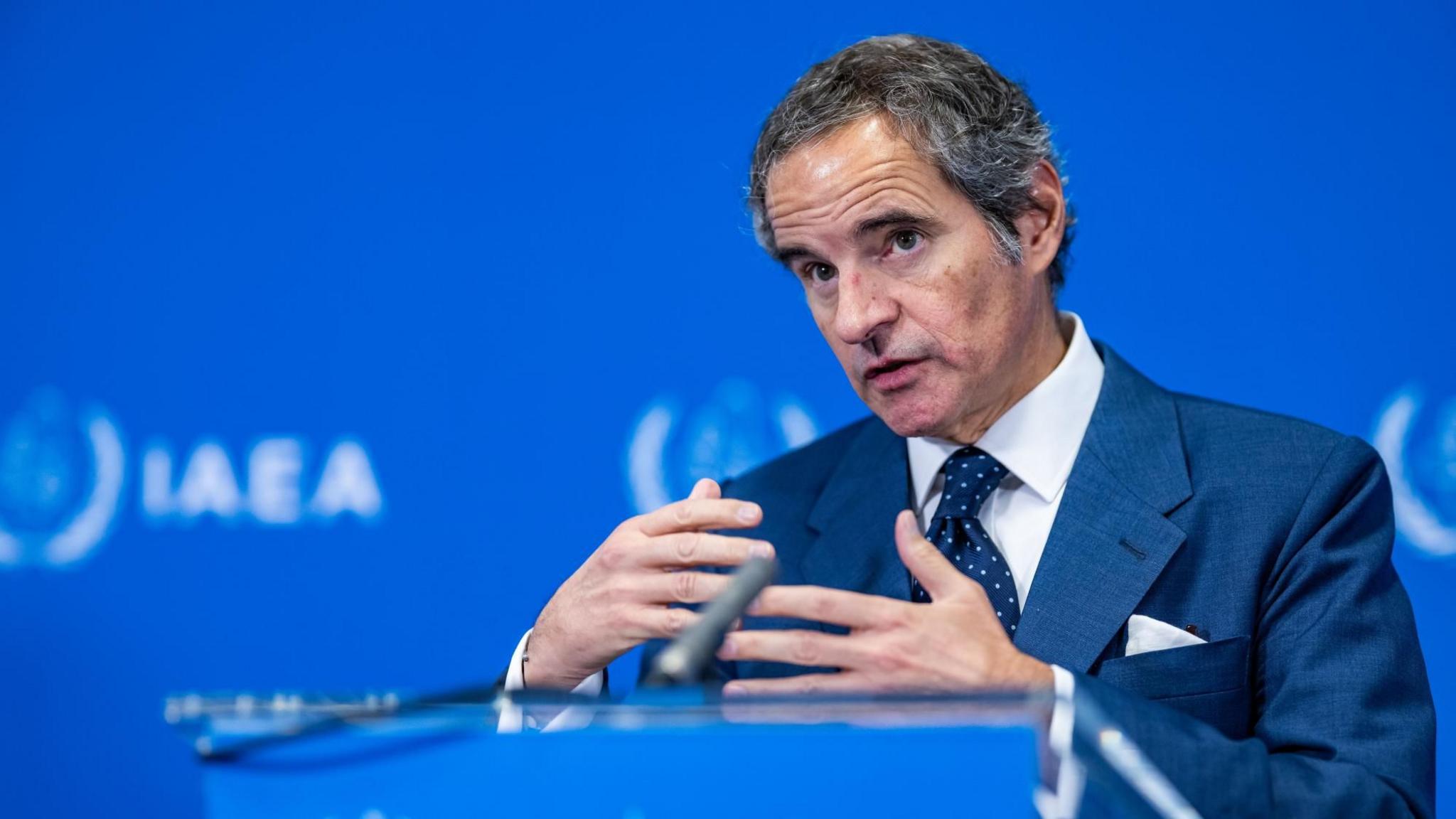
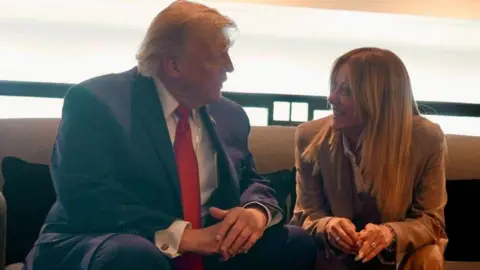
President Trump highlighted the deal as a strategic win, yet U.S. officials who read the text over the phone with reporters noted that it falls short of ensuring Iran will never acquire nuclear weapons. The agreement limits Iran to downblending its stockpile of highly enriched uranium under International Atomic Energy Agency supervision, a concession described as “significant” by a senior U.S. official.
The document also promises a $300 billion reconstruction package but stops short of committing the U.S. to any payments until a final settlement is reached. This ambiguity could spark political backlash from Trump’s MAGA base, who view any future money as a compromise on his anti‑war stance.
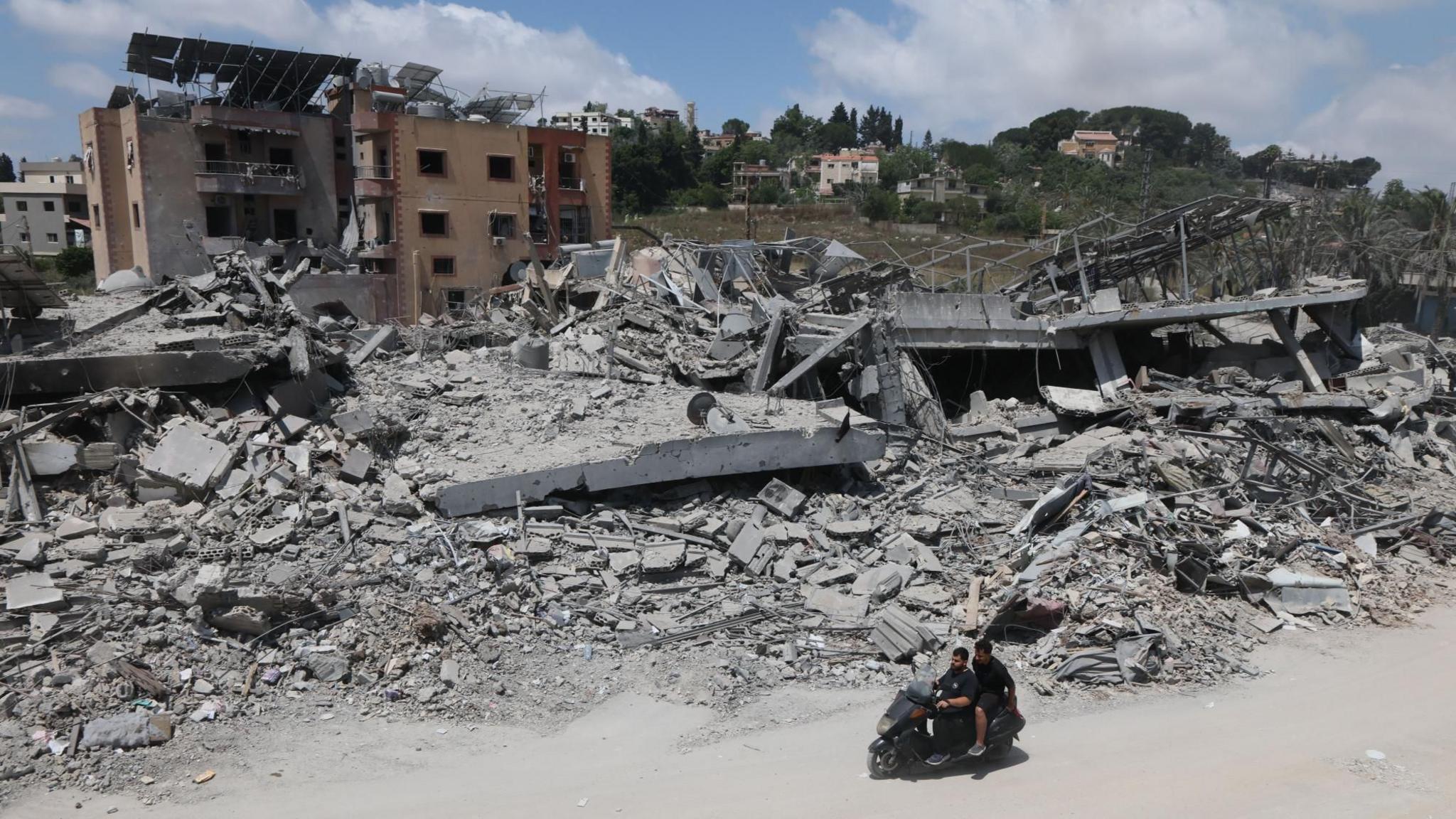
Key issues—such as Iran’s missile program, the funding of Hezbollah, and regional proxy support—receive minimal mention. While the ceasefire applies to Hezbollah, the agreement offers no concrete measures to curb Tehran’s backing of the group or other militias.
Trump’s press conference at the G7 summit concluded with a noncommittal remark: if the deal is not finalized within 60 days, “we go back to bombing.” The 60‑day deadline can be extended, signalling both sides are uncertain about reaching a comprehensive agreement in the limited timeframe.
The U.S. sees the memorandum as a first step, but the omission of critical safeguards raises questions about whether it will lead to a lasting peace or simply stall hostilities without resolving Iran’s core security ambitions.