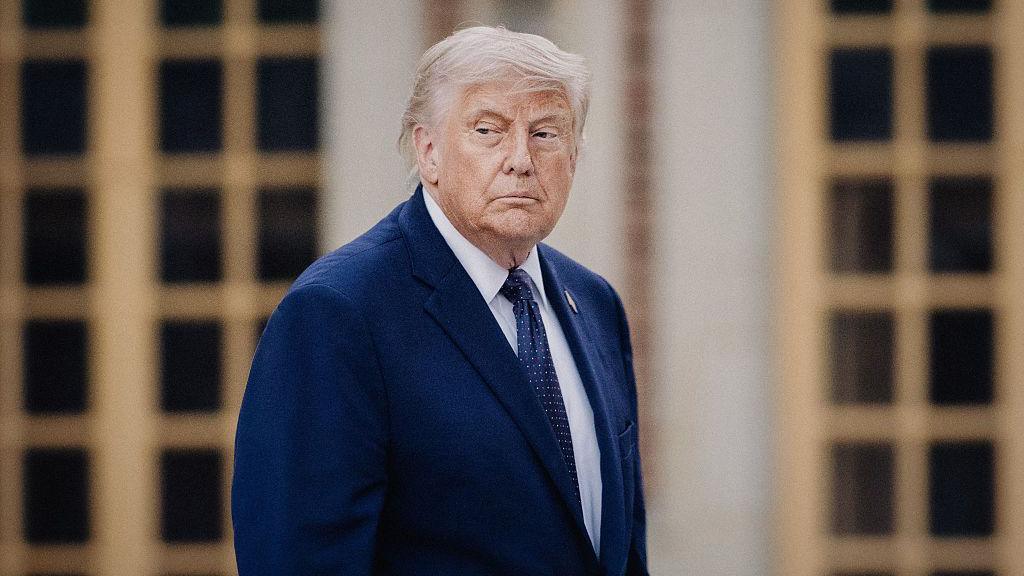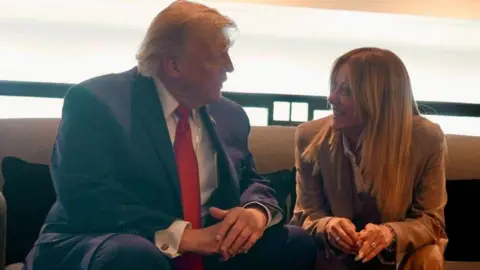
When President Donald Trump posted on Instagram that Italian prime minister Giorgia Meloni was “doing poorly in Italy with her level of popularity”, the story quickly escalated into a diplomatic tangle. Trump also accused her of hindering U.S. efforts to prevent Iran from developing a nuclear weapon and of blocking American use of Italian air facilities for military operations.
In response, Meloni tweeted a statement that Trump’s constant attacks were "senseless" and that the material of her popularity was “none of the US president’s business.” She added: "I suggest you focus on yours." The prime minister’s spokesperson said the relationship remained unchanged but highlighted the United States’ influence in Italy’s decision‑making.
The quarrel deepened when Trump declared during a La7 TV interview that Meloni had begged him for a photo at the G7 summit. Meloni countered that she had no such request and called the claim “unacceptable”, even stating, "Neither I nor Italy ever beg." Italian politicians across the spectrum backed her, echoing her frustration at the U.S. leader’s behaviour toward allies.
This exchange follows a broader pattern of tension: Trump’s earlier post branding Pope Lorenzo XIV "weak on crime" was met by Meloni’s sharp condemnation. Both leaders had previously enjoyed close ties—Meloni was the sole European official at Trump’s inauguration in 2025—yet their recent disputes spotlight a rift that could affect future diplomatic stances, especially regarding U.S. military actions against Iran.
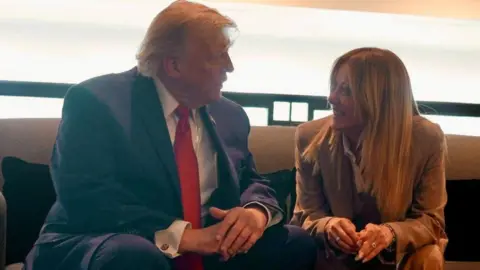
The inflamed exchange underscores the larger U.S.–Italy dynamics amid Trump’s recent military operations in Iran and the strained use of Italian bases for American forces. Foreign Minister Antonio Tajani’s decision to cancel an upcoming U.S. visit furthers the sign that diplomatic tensions are intensifying. Even as a video clip circulated showing Meloni stating that neither she nor Italy ever “begged,” the key issue remains: how these leaders will navigate differences going forward.