
In brief
The Iranian military has shut the Strait of Hormuz again after Israel carried out airstrikes on southern Lebanon, a move that could disrupt the flow of two‑million barrels of oil per day that pass through the waterway. Tehran cites a violation of the US‑Iran memorandum of understanding that calls for a ceasefire in Lebanon, and warns that further steps will come if the conflict persists. Washington has defended Israel’s actions yet fears that the ongoing hostilities may undermine the recently signed halt‑to‑war agreement with Iran, which included reopening the strait. Commercial traffic remains steady, but the geopolitical risk looms large for global energy markets. The situation is unfolding against the backdrop of continued Israeli‑Hezbollah tensions and a looming summit in Switzerland aimed at enforcing commitments on both sides.
Iran’s Revolutionary Guard Corps Navy issued a warning to vessels "not to approach the Strait of Hormuz; otherwise, your security will be jeopardised," after Israeli air raids on Lebanon’s south town of Barich caused a renewed flare of violence.
The closure is a response to what Tehran calls Israel’s "continuous and relentless violation of the ceasefire" in Lebanon, a conflict that erupted during a 60‑day truce agreed by U.S. and Iranian presidents on the war’s front. The U.S.‑Iran memorandum of understanding, signed in May, stipulates the immediate termination of all military operations, including in Lebanon, and guarantees the reopening of the corridor.
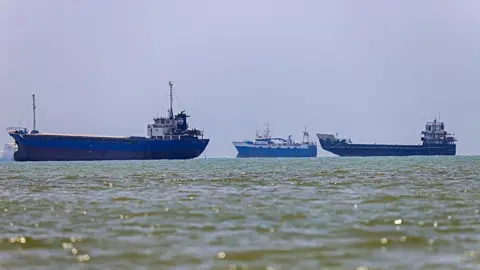
Fifteen percent of global crude and two‑million barrels of oil and liquefied natural gas per day pass through the 6‑mi wide channel between Oman and the Arabian Peninsula. A 24‑hour cargo‑traffic survey last month noted that 55 merchant vessels transited the strait on Saturday, but the political climate has heightened concern over potential disruptions.
Washington has criticised Israel’s operations but also warned that the Lebanon‑Israel stand‑off could jeopardise the broader Iran peace accord. U.S. Vice‑President J.D. Vance, scheduled to travel to Switzerland for talks with Tehran, said the aim is to "demand that the other side fulfil its commitments".
The Iranian declaration follows an earlier clamp‑down in February after the U.S. launched a strike on Iran’s naval facilities, sending shockwaves through energy markets and forcing major Gulf producers to reassess shipping routes.
Palestinians, the U.N., and energy analysts continue to monitor the situation as strategic waterways form a keystone of global trade. The stakes are high: a prolonged blockade could ripple from the Gulf of Oman to global markets, with price volatility as the IEA estimates nearly $600bn of trade moving each year.
