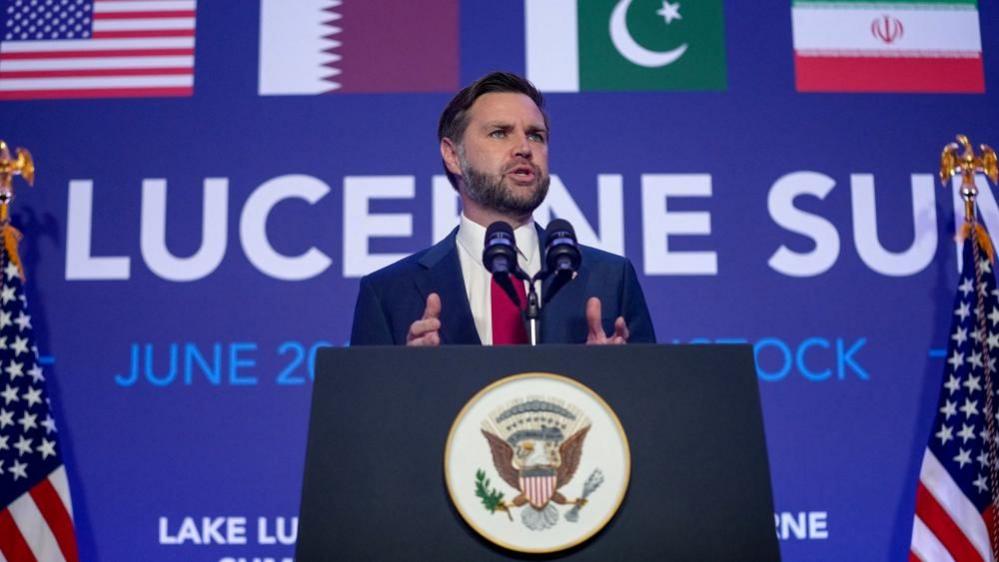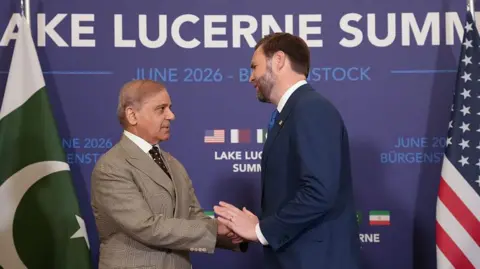
US and Iranian officials began direct negotiations in Switzerland on Sunday, after signing an initial agreement that aims to end the war. The talks, hosted at the Bürgenstock resort, followed a memorandum of understanding that promises a comprehensive ceasefire and a 60‑day deadline to reach a final deal.
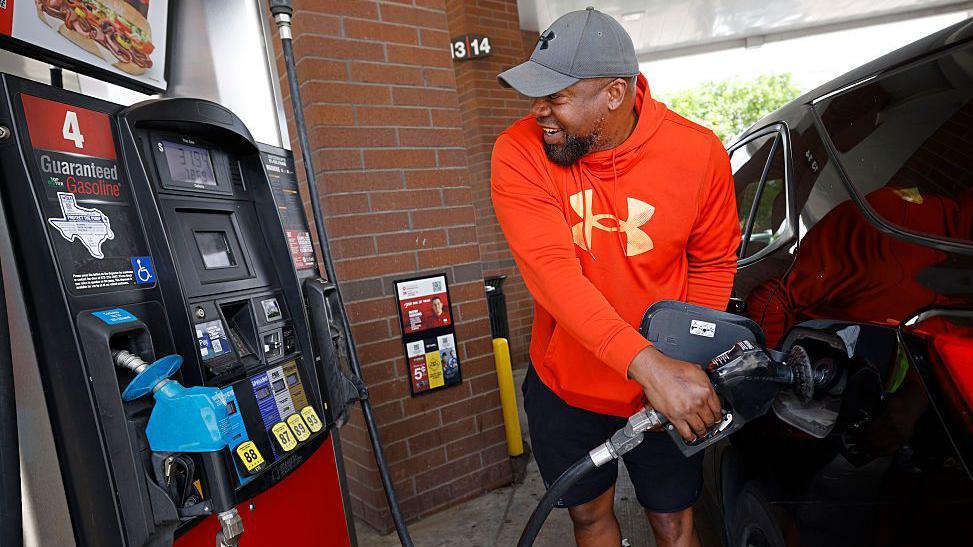
The pact includes the reopening of the Strait of Hormuz, which is a key shipping channel carrying about 20% of the world’s oil and natural gas. Iran was also to return the strait to normal traffic, easing the fuel price spike that had disrupted global markets.
In addition, the US committed to lifting a naval blockade of Iranian ports and to terminating all types of sanctions. A reconstruction plan worth $300 billion was agreed for Iran, aimed at rebuilding the economy after years of isolation.
Although the deal covers lower‑level military operations, the core issue of Iran’s nuclear programme remains unresolved. The Iranian foreign ministry spokesman Esmaeil Baqaei said the negotiations for a final agreement would depend on enforcement of existing commitments and the cessation of all military activity.
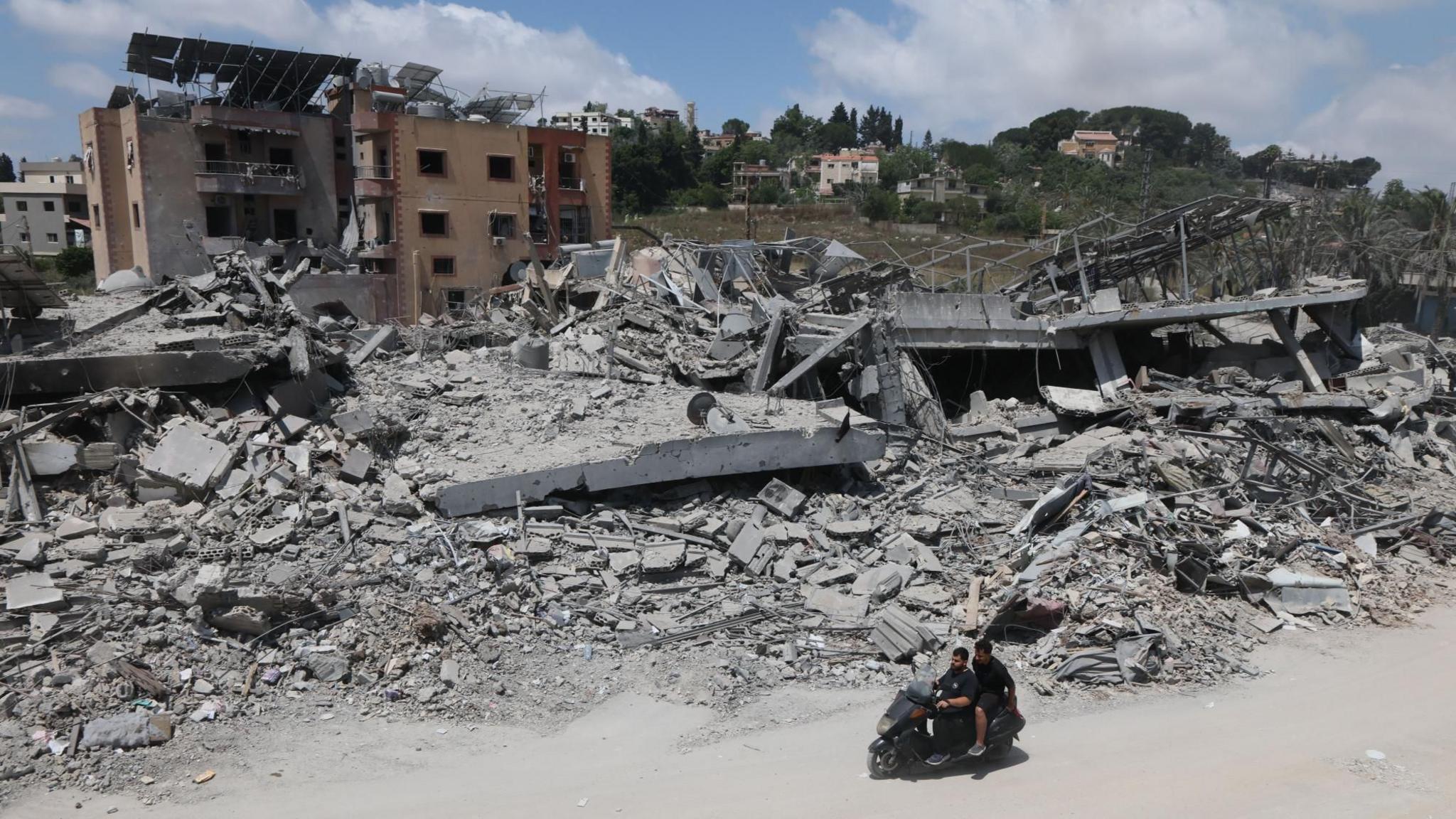
Meanwhile, hostilities between Israel and the Iranian\-backed Hezbollah continue in Lebanon. Despite a ceasefire agreed by both sides, Israeli air strikes killed at least 67 people and Hezbollah attacks killed five Israeli soldiers, underscoring the fragility of the peace process.
Pakistan’s Prime Minister Shehbaz Sharif attended the talks, reflecting the country’s long‑standing role as mediator in the conflict. The historic venue of the meeting underscores the importance of the US’s diplomatic push to transform its relationship with Iran.