Colombia’s Escalating Conflict Shapes Its Presidential Election
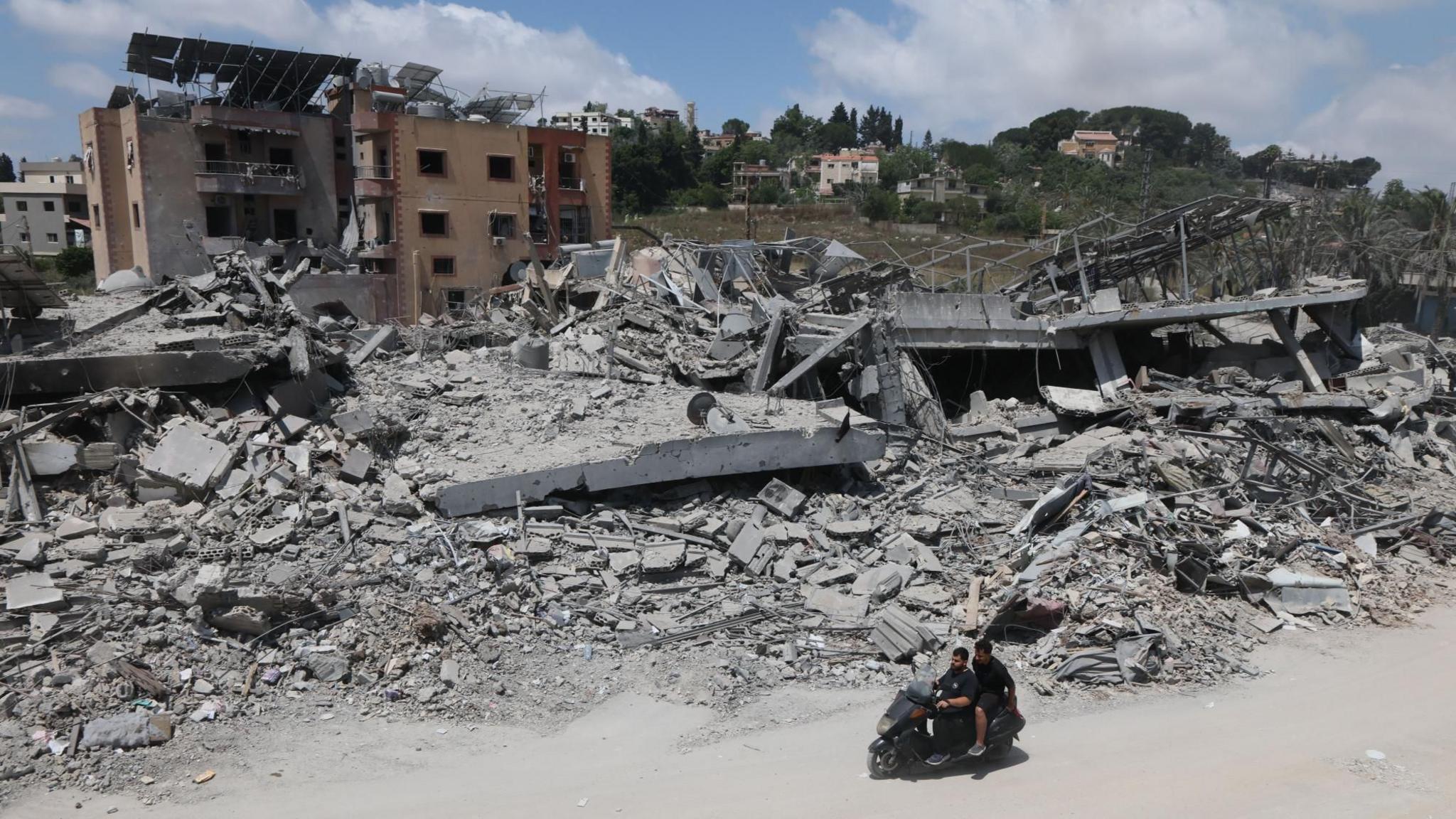
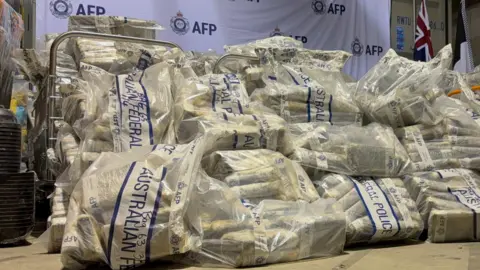
In a country still haunted by decades of violence, the 2026 presidential contest is no longer a political gamble but a literal battlefield. Armed groups, including FARC dissidents, the National Liberation Army (ELN) and the Clan del Golfo, have doubled in size over five years, seizing rural zones that are valuable for drug trafficking and illegal mining. In the northeast, a brutal offensive on the Venezuela border displaced tens of thousands of people and brought production of bombs into the hands of criminal networks.
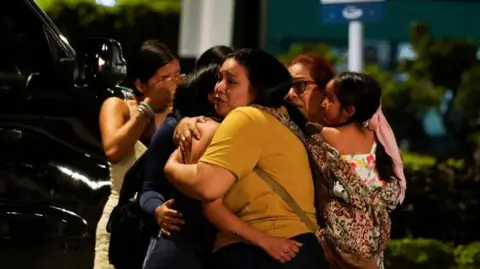
"My brother was murdered for not paying extortion money in front of his children," said Edilma Martinez Flores, a displaced woman now attending a support centre in Bogotá. The story mirrors countless accounts of families forced to leave homes due to leaflets threatening violence, as Angela said: "We had no choice but to leave our things behind, they placed bombs on the routes people travel." Such narratives give weight to one statistic: displaced people rose 300% from 2024 to 2025, the highest surge in the last two decades.
The election can be seen as a referendum on security strategy. Senator Ivan Cepeda, a left‑wing architect of the 2016 peace treaty, is campaigning to keep negotiations with armed groups open and to expand social programmes that address poverty and inequality. He alleges that the government strategy has handed criminal groups a “carrot but not enough stick”, encouraging them to exploit setbacks and expand control. His stance is backed by voters who favour a balance of repression and social policy, especially among young people.
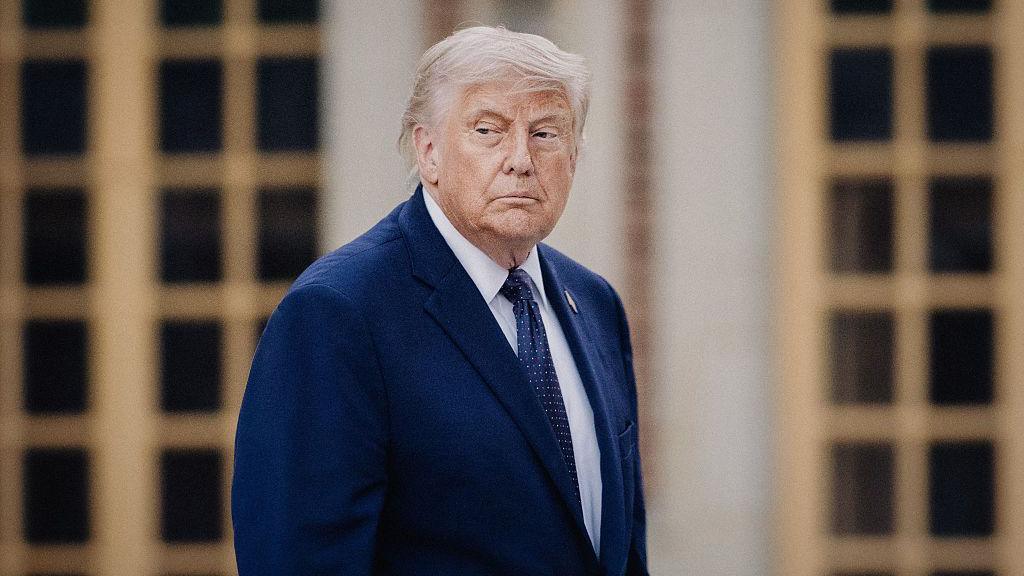
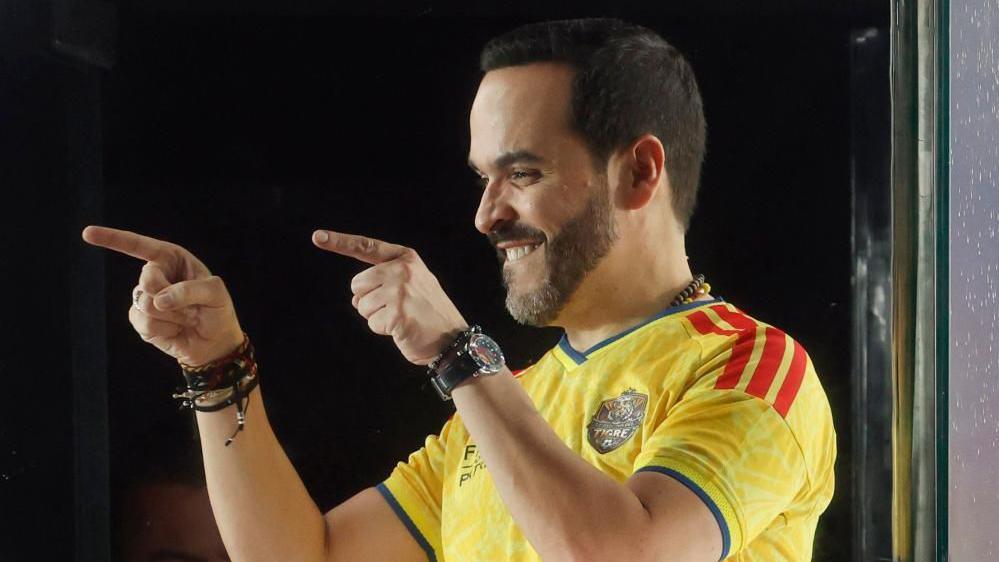
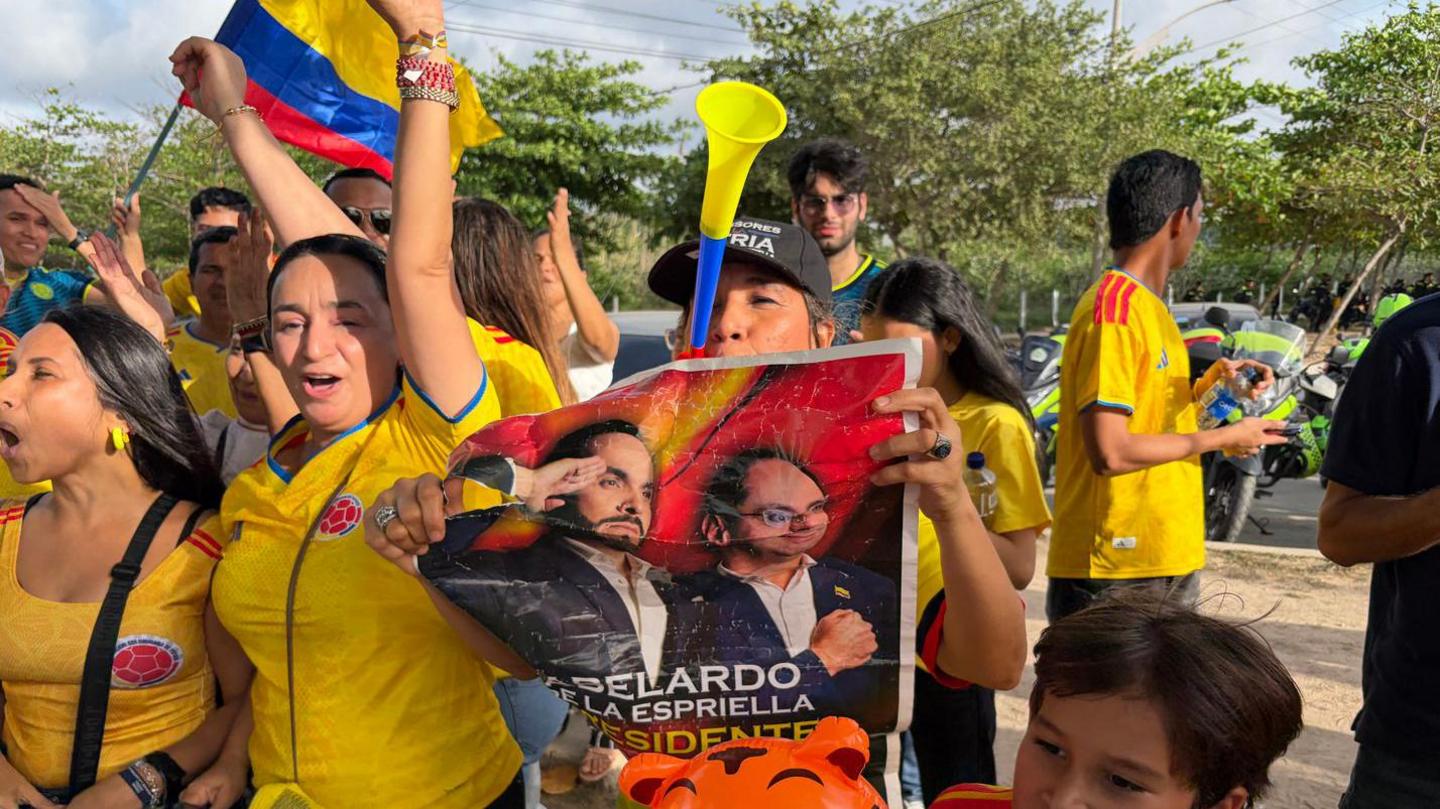
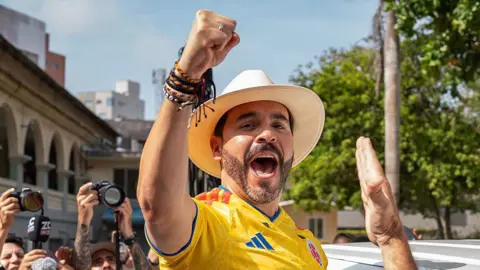
Across the country, the outsider candidate Abelardo de la Espriella (El Tigre) contrasts sharply. A business‑lawyer with a powerful regional following, he promises 10 mega‑prisons, a military crackdown and an end to negotiations. He has the endorsement of former President Donald Trump, who painted the election as “the future of Colombia’s relationship with the United States”. De la Espriella is perceived by his supporters as a “tough on drug trafficking, tough on guerillas” figure who will “fight for the country.”
The conflict also influences the intangible palette of voter sentiment. Young voters such as Catalina La Grande favour Cepeda, citing his proposals that combine state coercion with social programmes. While another young woman, Sofía Diaz, is hopeful about Cepeda’s stance against fracking and his record on fighting corruption. In contrast, supporters of de la Espriella hope for a decisive shift that will align Colombia more closely with U.S. policies that counter drug trafficking.
Attacks on civilian life, kidnappings, and bombings punctuate the campaign landscape, making the election a potential turning point in the nation’s path to peace or further instability. The outcome will dictate whether Colombia chooses to continue its negotiated approach or adopt a hard‑line faccharrate approach that could either break the stalemate or deepen the cycle of violence.