In brief
Broad‑scale U.S. funding of $400 million a year through Pakistan’s Emergency Fund for AIDS Relief (PEPFAR) is being phased out under a new draw‑down plan. The decision comes amid political tensions triggered by President Trump’s criticisms of South Africa’s policies and claims of a supposed white genocide. With over eight million South Africans living with HIV, the cut threatens to hamper procurement of antiretroviral drugs and other essential services. South African officials say they are developing a self‑reliance strategy, but observers warn that the abrupt loss of external resources could strain already stretched healthcare systems. This move follows a series of diplomatic rifts, including the U.S. boycott of the country’s G20 summit and a White House executive order accusing the homeland of undermining racial fairness.
The U.S. government announced that it will discontinue funding for South Africa’s HIV and AIDS programmes, a decision that follows a long‑standing political rift that began in the Trump administration. The move cuts roughly $400 million per year that had been supplied through the President’s Emergency Fund for AIDS Relief (PEPFAR).
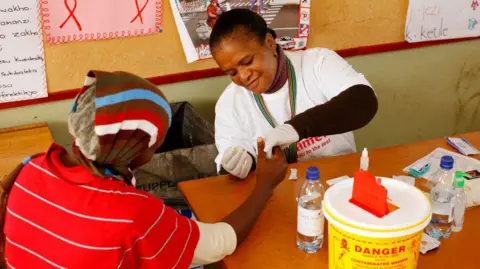
South Africa hosts the world’s largest HIV population, with more than eight million people infected. The funding has helped the country procure antiretroviral drugs, support testing, and train healthcare staff. Critics warn that terminating aid could jeopardise life‑saving treatments and jeopardise national targets to reduce new infections.
Trump’s administration blamed South Africa for alleged failures in protecting minority white owners, a claim the South African government has categorically denied. The U.S. executive order also cited claims of a “white genocide”—a narrative widely discredited by scholars and governments alike. The order threatened to withdraw aid if the country’s policies did not align with U.S. positions on racial justice, trade, and regional security.
South Africa’s health ministry said it had been planning a “self‑reliance” approach long before the U.S. announcement. It emphasized that most antiretroviral drugs were financed through national budgets and other donors. Nevertheless, the abrupt draw‑down could widen gaps in service delivery, especially in rural and underserved areas.
Diplomatic friction intensified when the U.S. boycotted the 2023 G20 summit hosted in Johannesburg. The following year a high‑profile meeting between President Trump and South African President Cyril Ramaphosa failed to mend tensions, with Trump confronting his counterpart on the alleged persecution of white South Africans.
The phased draw‑down will begin after a brief bridge plan extended last October. The intention, according to U.S. officials, is to encourage countries to strengthen domestic resources and reduce dependence on foreign aid. Yet many observers suspect it is also a punitive measure reflecting unresolved political disputes.
The South African government described itself as a middle‑income nation capable of managing its health programmes but also stressed the significance of continued international partnership to meet public health goals.
As the world watches, the consequences of this cut may reverberate far beyond South Africa’s borders, affecting global HIV surveillance, treatment guidelines, and humanitarian corridors.