Background of the Truce
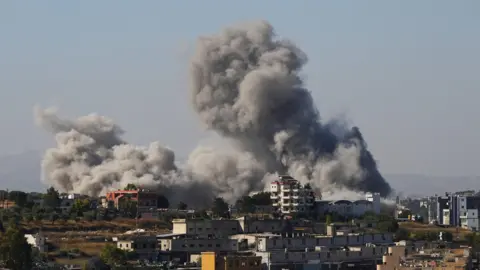
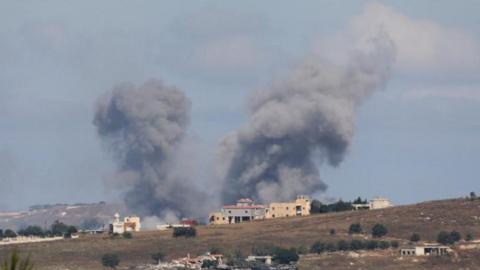
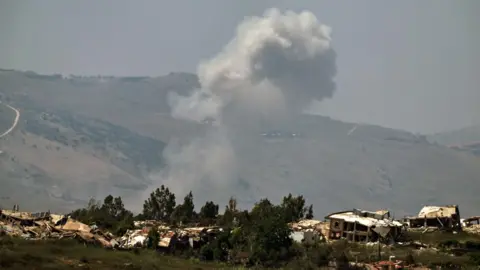
A ceasefire reached on Sunday after weeks of heavy exchanges aimed to stem the escalation linked to the US‑Israel war over Iran. Israeli forces had pushed into southern Lebanon, targeting what they described as a Hezbollah underground base on the Ali al‑Taher ridge.
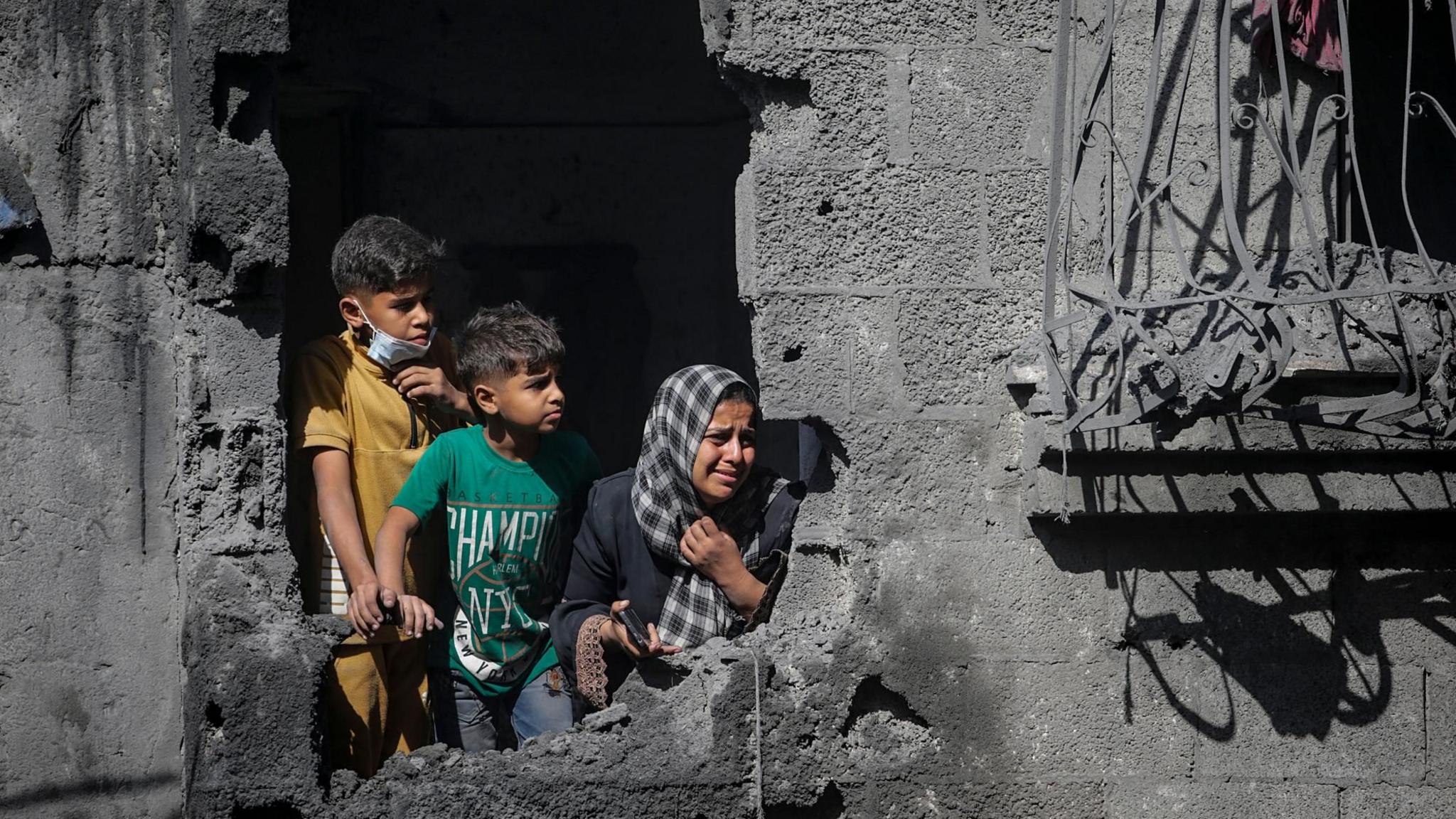
In the days leading up to the agreement, four Israelis were killed by a Hezbollah attack on a tank near Kfar Tebnit. Tunisia’s heavy air bombardments left 83 civilians dead, per the Lebanese health ministry.
The Death Incident
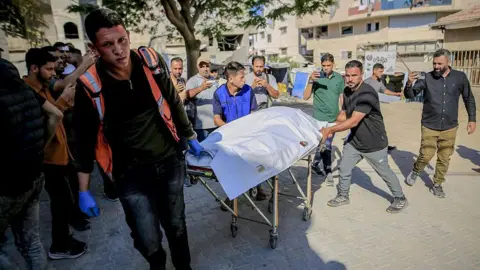
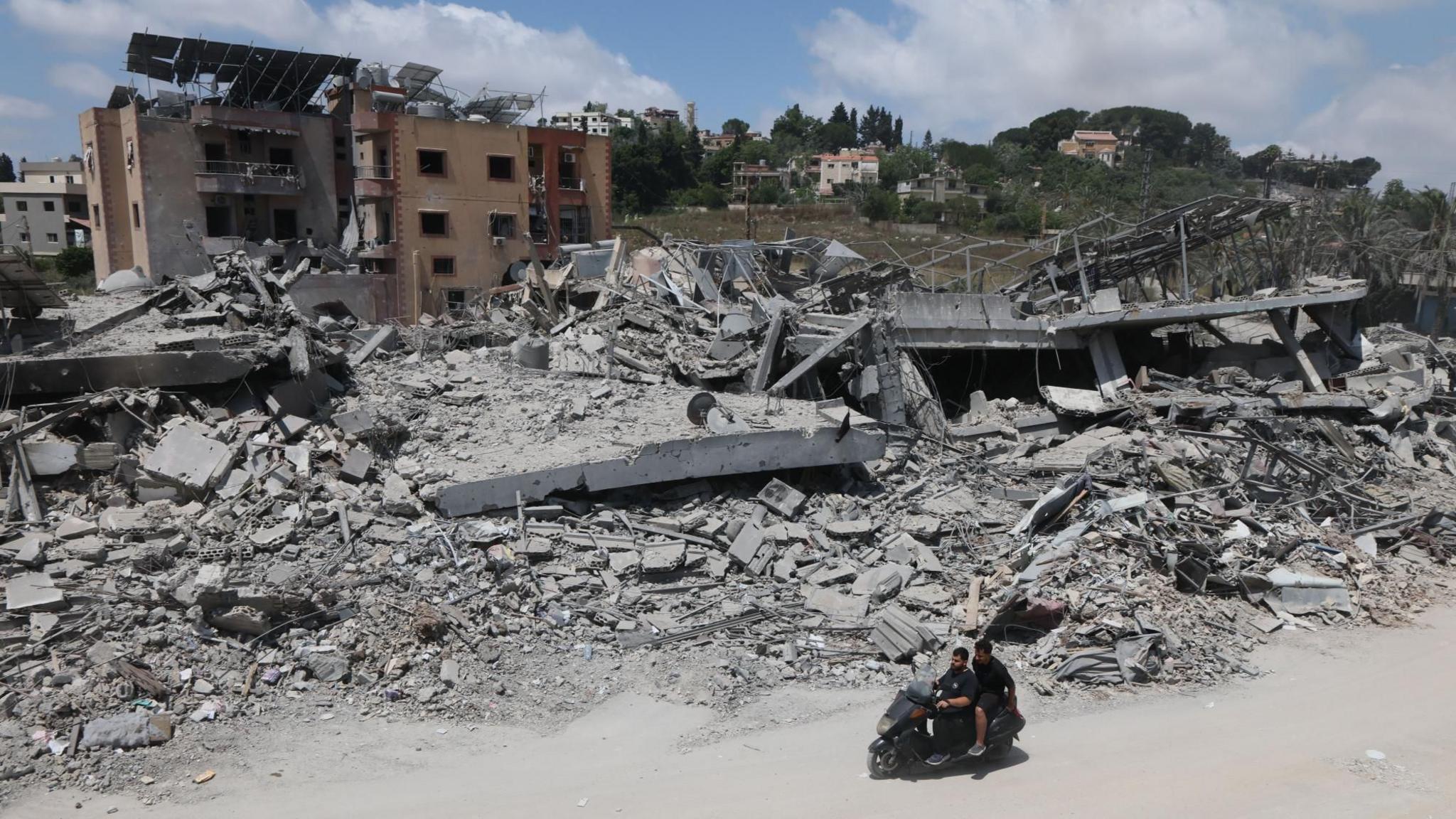
According to Lebanon’s state-run agency, the two men—identified as Mohammed Amhaz and Sajed al‑Hajj Ali—were standing beside a bulldozer clearing rubble in Nabatieh al‑Fawqa when IDF soldiers fired on them.
IDF claims the men were jihadists riding a bulldozer and a motorcycle, posing a security threat after crossing into the Israeli‑designated “security zone.” Hezbollah’s statement called the shooting a blatant violation of the ceasefire take.
Broader Implications
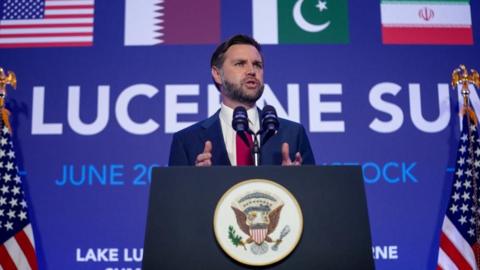
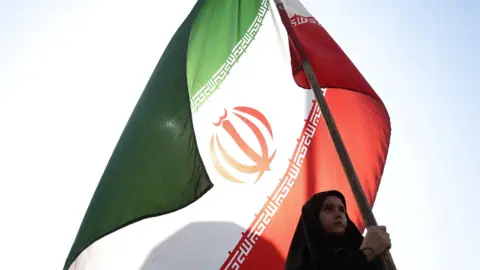
The event arrives on the back of US diplomatic talks in Washington aimed at a broader peace and security arrangement. Iran’s ambassador to the UN warned that any breach could derail the entire agreement.
In a separate incident, Israeli forces reported striking a “cell of armed terrorists” north of the security zone but did not confirm casualties. Over 4,200 Lebanese have been killed by air strikes since the hostilities began, with casualties on the Israeli side being comparatively lower.
Israeli Prime Minister Benjamin Netanyahu affirmed that Israeli troops would remain in Lebanon “as long as necessary” and would not hesitate to act against further threats.
The current lull in fighting has been the longest since the conflict’s escalation, yet the ceasefire’s durability remains fragile as both parties continue subtle skirmishes and propaganda stances.