Lull Turns to Tragedy: Israeli Troops Kill Two in Southern Lebanon
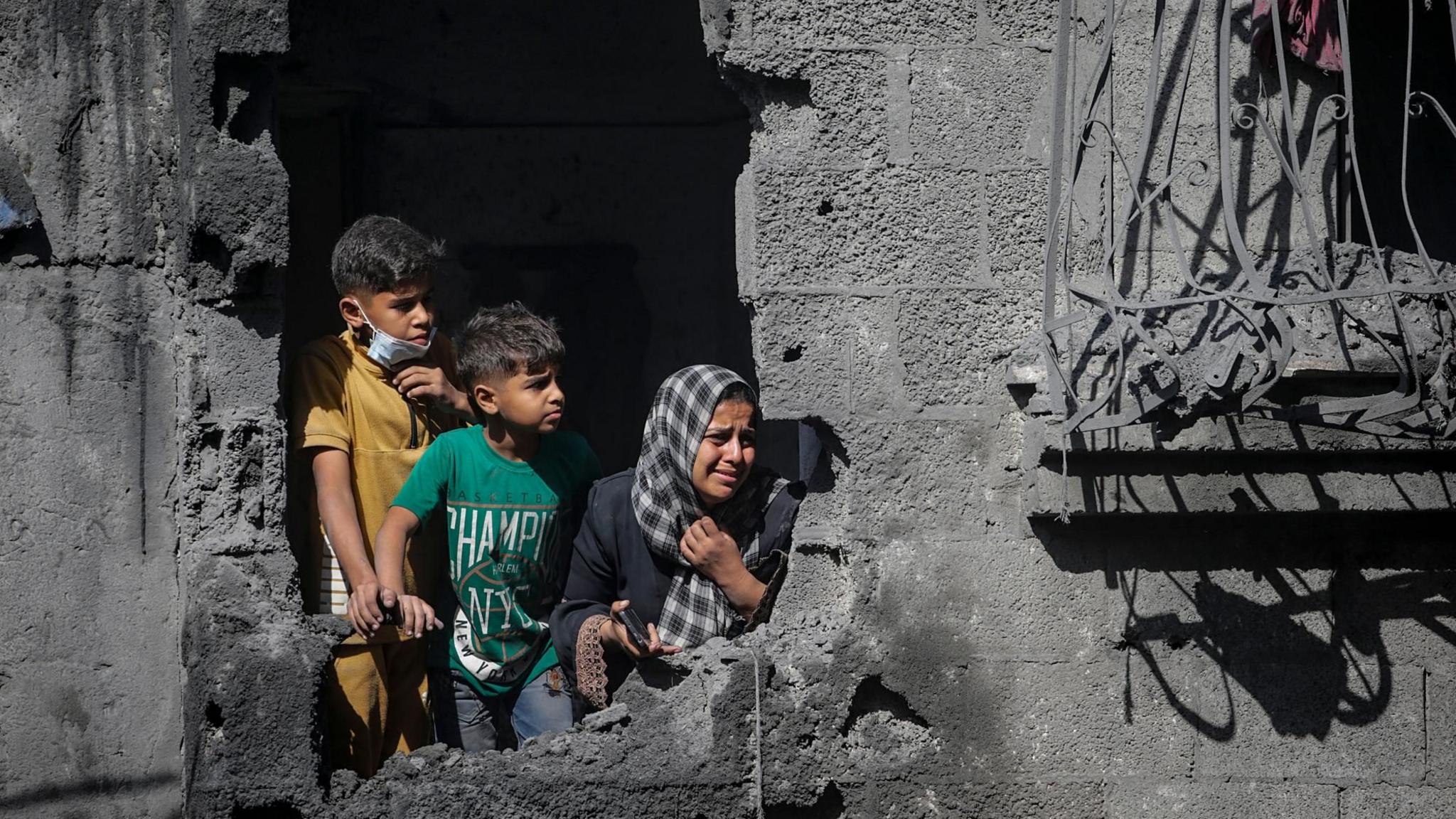
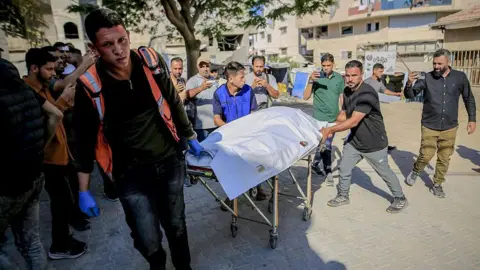
On 23 June, Israeli soldiers in Nabatieh al‑Fawqa opened fire on two civilians standing near a bulldozer that was working to unblock a road. The Lebanese Health Ministry confirmed that Mohammed Amhaz and Sajed al‑Hajj Ali were killed in the incident, marking the first fatal occurrence since a ceasefire agreement was announced over the weekend.
Hezbollah’s military wing condemned the shooting as a blatant violation of the ceasefire, while the Israeli military stated that the soldiers fired at four Hezbollah suspects—two riding a bulldozer and a motorcycle—who were deemed a direct threat. Israeli officials added that the group had crossed into the Israeli‑declared "security zone" in southern Lebanon and ignored warning shots.
In a separate action, Israeli troops reportedly struck a "cell of armed terrorists" north of the security zone, capturing a photo of a man with a rifle. No fatalities were reported from that strike.
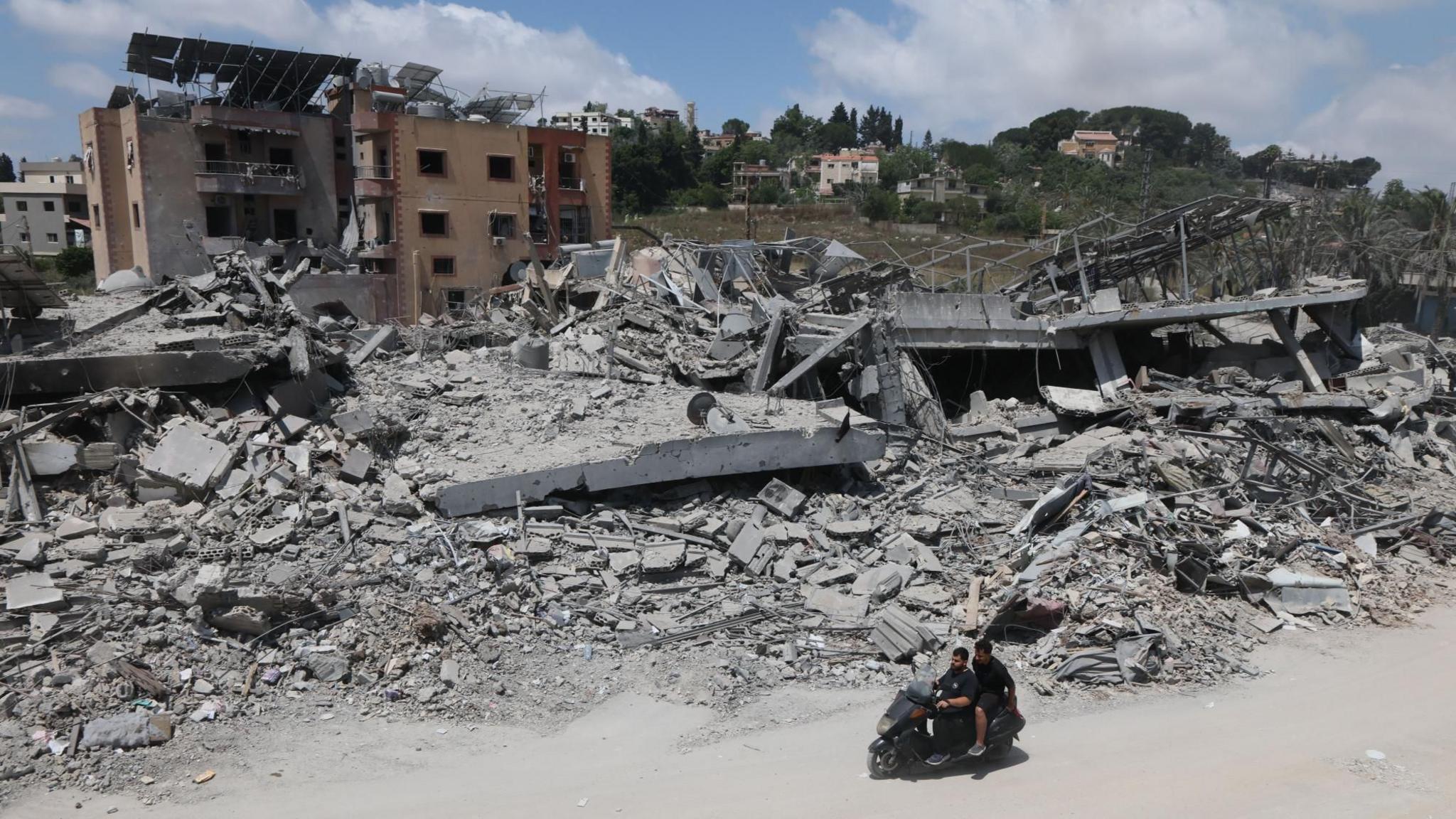
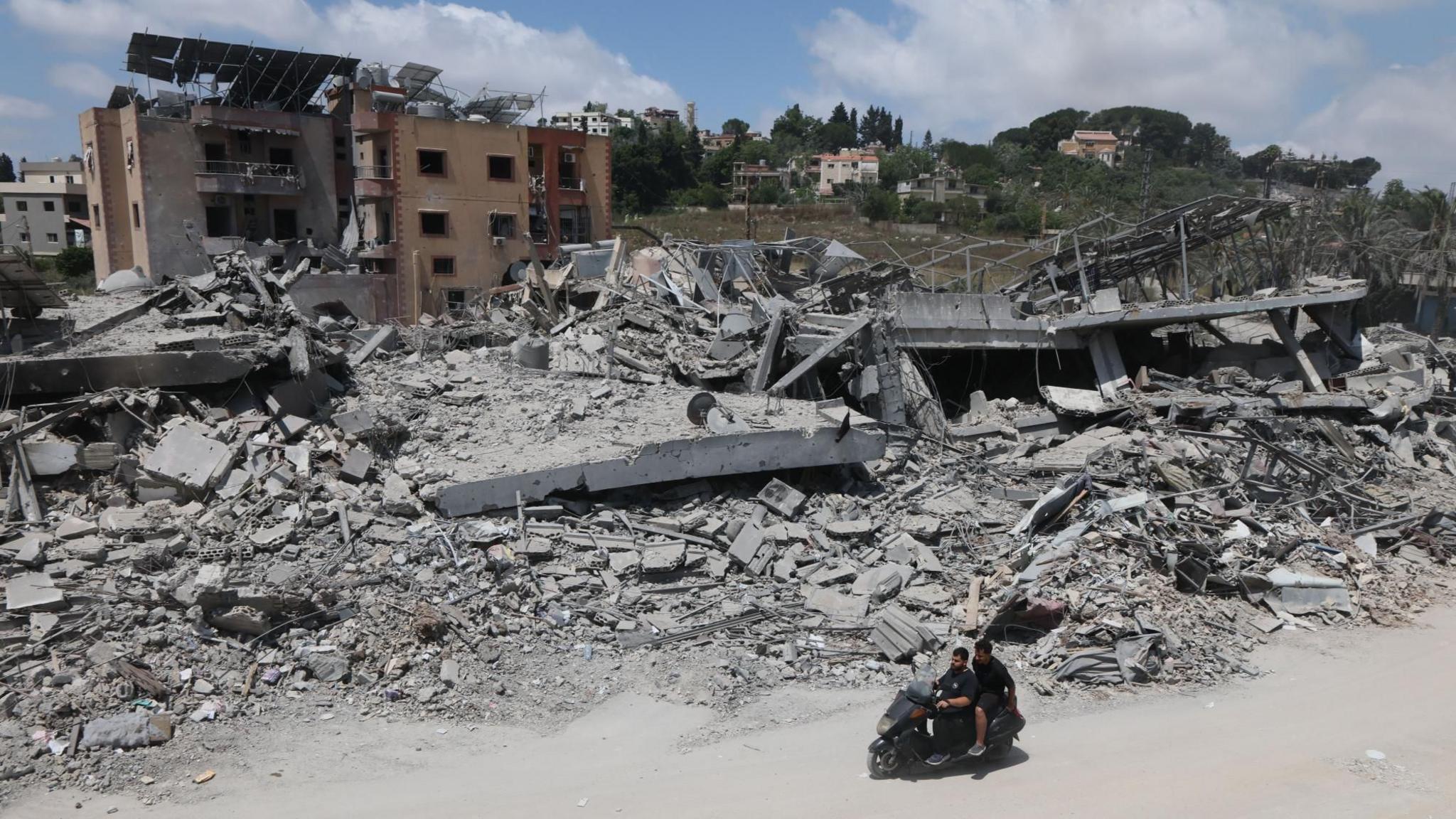
The incident comes amid a complex web of tensions. Israel had previously launched air strikes across Lebanon to counter Hezbollah operatives and faced criticisms of excessive force. The recent ceasefire—signed after a flurry of hostilities erupted in March—has been fragile, with ongoing diplomatic talks in Washington seeking to solidify a comprehensive peace agreement.
Key points of the conflict include: the strategic significance of the Ali al‑Taher ridge, which Israeli forces targeted in the days leading up to the ceasefire; the heavy toll of the hostilities, with more than 4,000 Lebanese civilians killed and over 1.2 million displaced; and the broader implication of the ceasefire for US‑Israeli‑Iranian relations as Iran demands that Lebanon be part of any resolution agreements.
As Israeli Prime Minister Benjamin Netanyahu declared that soldiers will remain in Lebanon “as long as necessary” to counter threats, the Lebanese government and International bodies are urging restraint. The latest clash highlights the volatility that lingers after the ceasefire, underscoring the need for sustained diplomatic engagement to prevent further tragedies in the region.