Iran agrees to let nuclear inspectors back, US vice‑president says
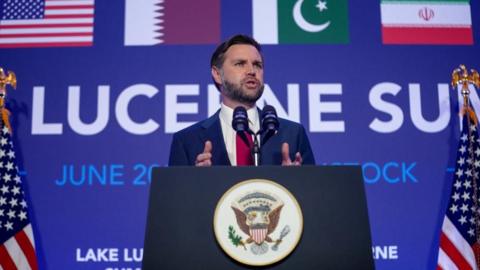
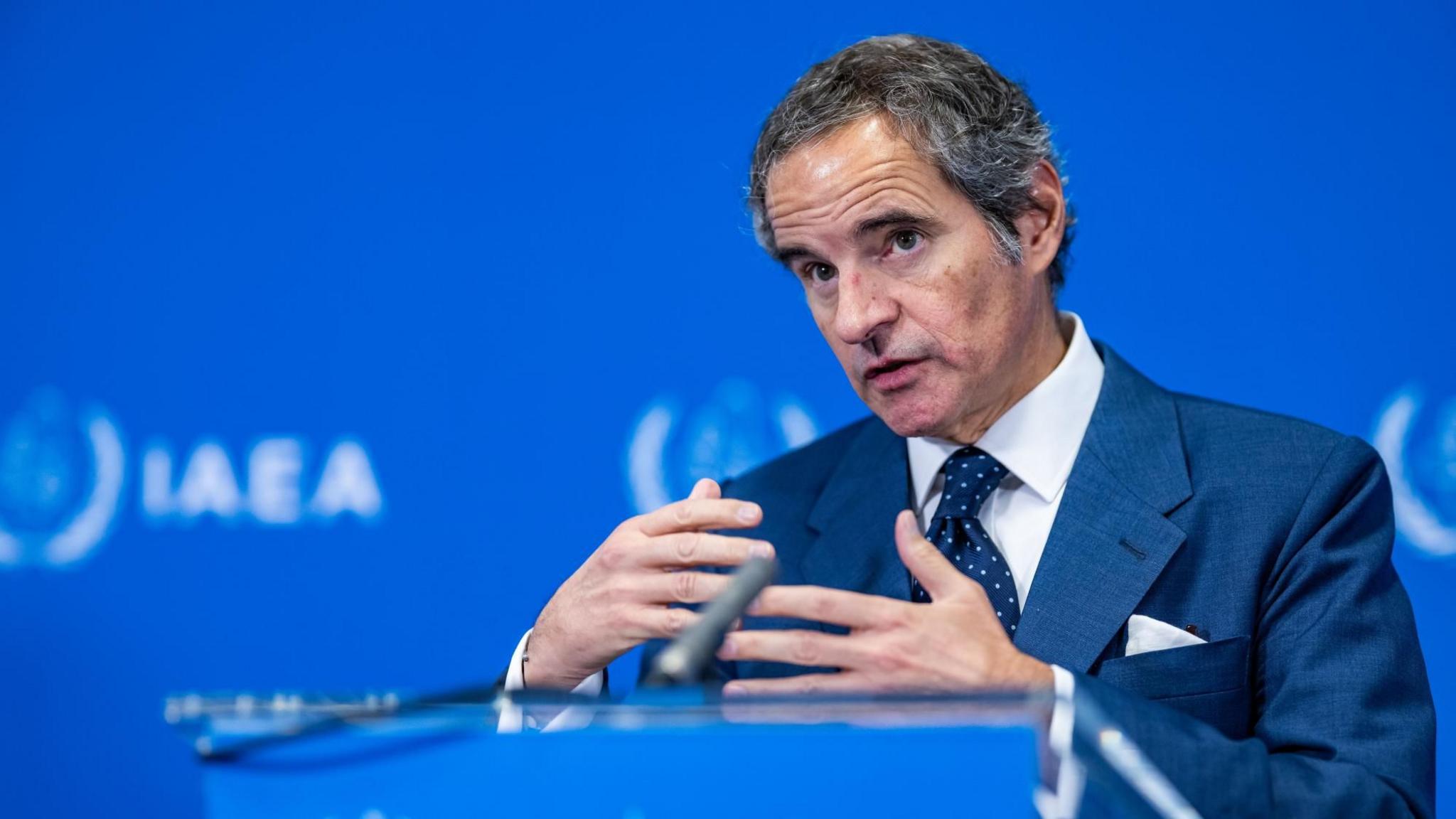
Vice‑president John D. Vance told reporters in Switzerland that the Islamic Republic of Iran has agreed to reopen access for the International Atomic Energy Agency (IAEA) inspectors, meeting a core demand of the international community. He added that talks with the IAEA are beginning “as soon as today,” signalling a significant step toward a permanent resolution of the nuclear dispute.
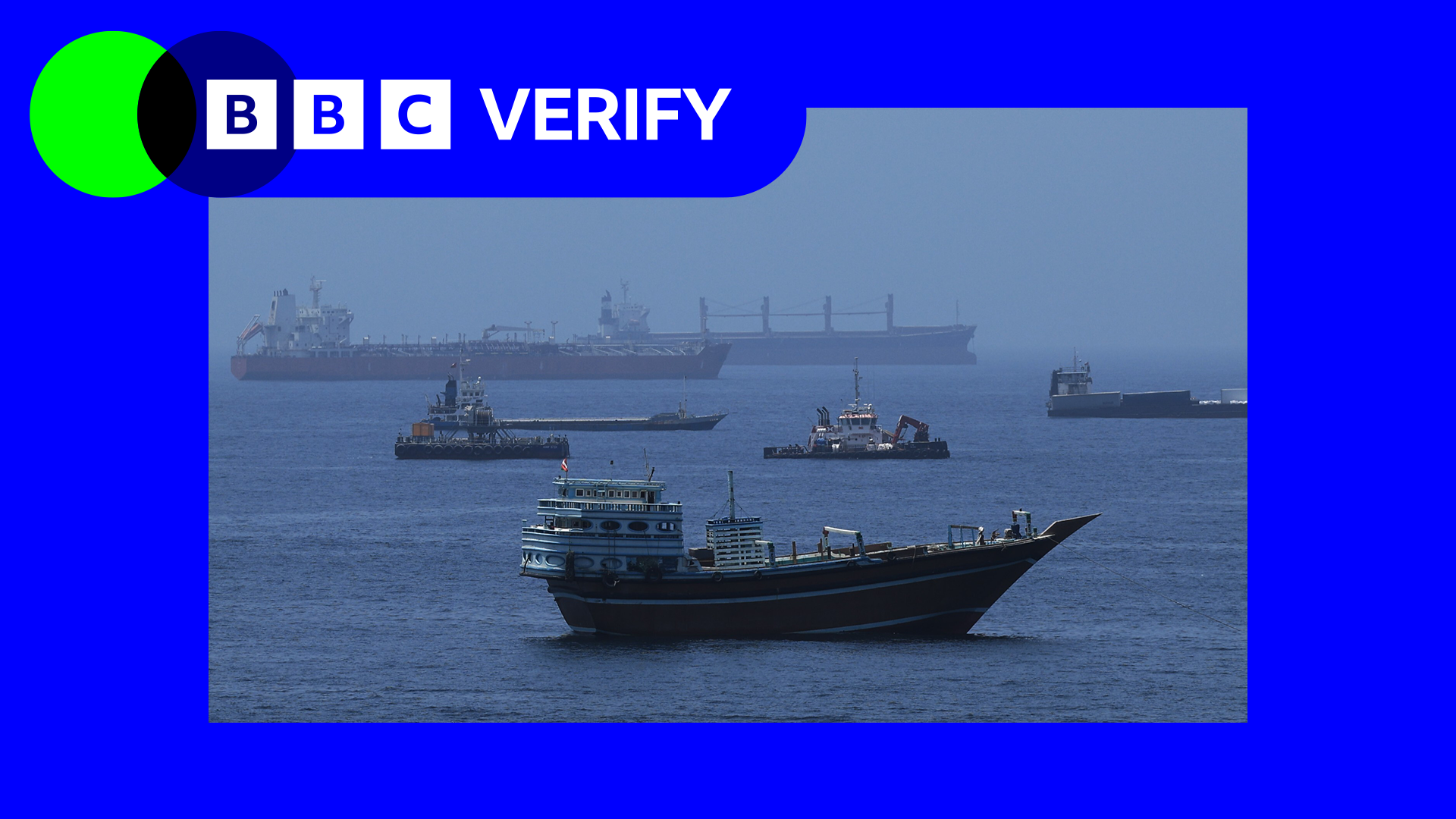
The U.S. and Iran have drafted a 14‑point memorandum of understanding (MOU) last week, committing to re‑open the Strait of Hormuz, halt military engagements on all fronts, and create a de‑confliction cell that includes Lebanon. The MOU also provides a roadmap for a final settlement within 60 days, according to mediators from Qatar and Pakistan.
Vance described the first round of negotiations as having laid “a very good foundation” for a comprehensive agreement. He emphasized that the nuclear issue is “probably the one we’re most excited about as Americans,” framing it as a milestone for the American public and a pivotal move in ending Iran’s nuclear weapons programme.
Iran has repeatedly insisted that its nuclear efforts are purely for civilian purposes. However, the IAEA and other world powers have remained unconvinced, citing the country’s past suspensions of inspections and the damage inflicted on Iranian facilities during the June 2025 war.
The agreement follows the last year’s U.S. withdrawal from the Joint Comprehensive Plan of Action (JCPOA) in 2018, during which the U.S. criticized the deal for permitting Iran’s ballistic missile development and not providing a permanent framework. The new MOU seeks to address these gaps by reopening the IAEA’s access and re‑establishing diplomatic engagement.
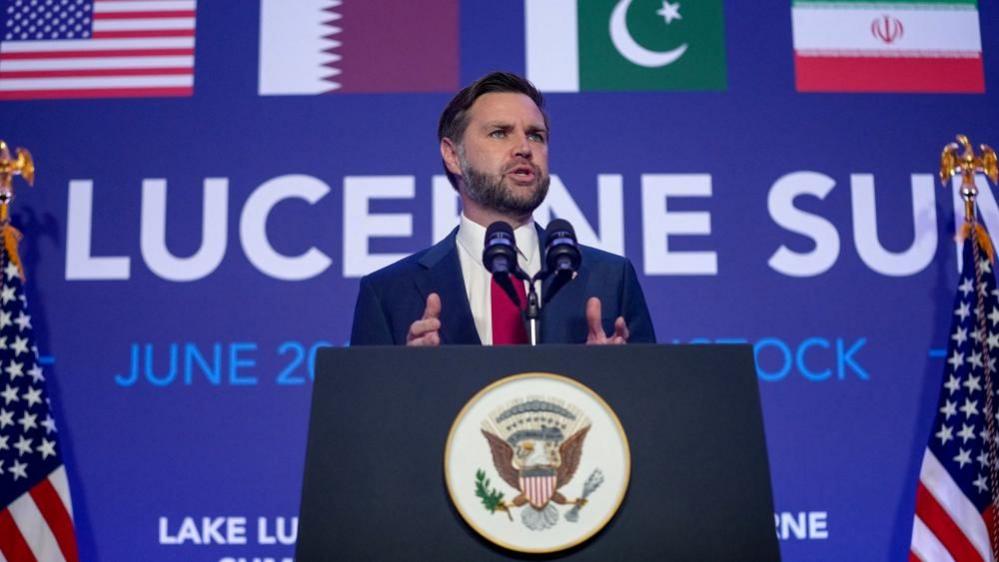
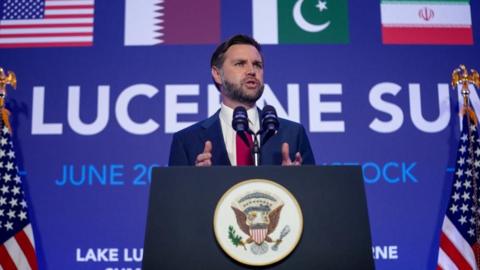
A photo of Vance at a podium with US and Iranian flags displayed behind him underscores the diplomatic significance of the moment. (Read more about the JCPOA.)