Iran Rejects New Nuclear Inspection Commitments Amid US‑Iran Talks
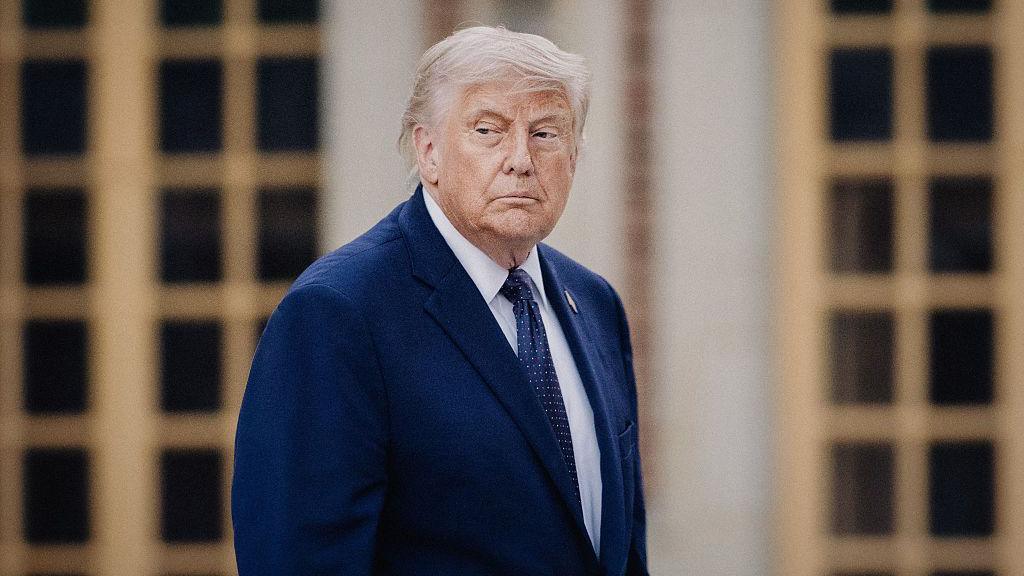
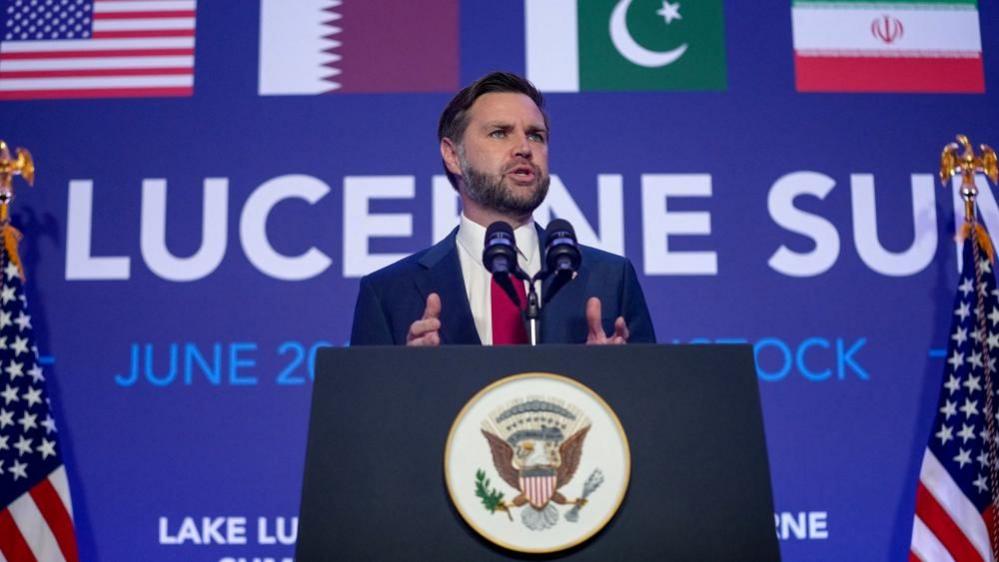
U.S. Vice‑President JD Vance said that the U.S. and Iran had a roadmap for a final deal and that nuclear inspectors could return to the country “as soon as today.” Iranian officials insisted that the Islamic Republic had made no new commitments on inspection access, pointing to the 60‑day sanctions relief as the primary outcome of the talks.
The Treasury Department’s emergency licence lifts the long‑standing ban on U.S. buyers importing Iranian oil, allowing crude and petrochemicals to be sold in U.S. dollars and even imported directly into the United States. It also simplifies banking, insurance and shipping operations that had been shrouded by covert networks.
While the U.S. speaks of “a very good foundation,” Iran’s foreign ministry spokesman Esmail Baqai noted that any engagement with the International Atomic Energy Agency (IAEA) would remain governed by existing parliamentary and supervisory procedures, and that no new concessions had been made.
The 60‑day waiver – released after talks in Switzerland – removes key pillars of the U.S. embargo that had strangled Iran’s economy for two decades. It also resolves the blockage that prevented Iranian crude from reaching U.S. markets, thereby normalising trade flows across the Strait of Hormuz.
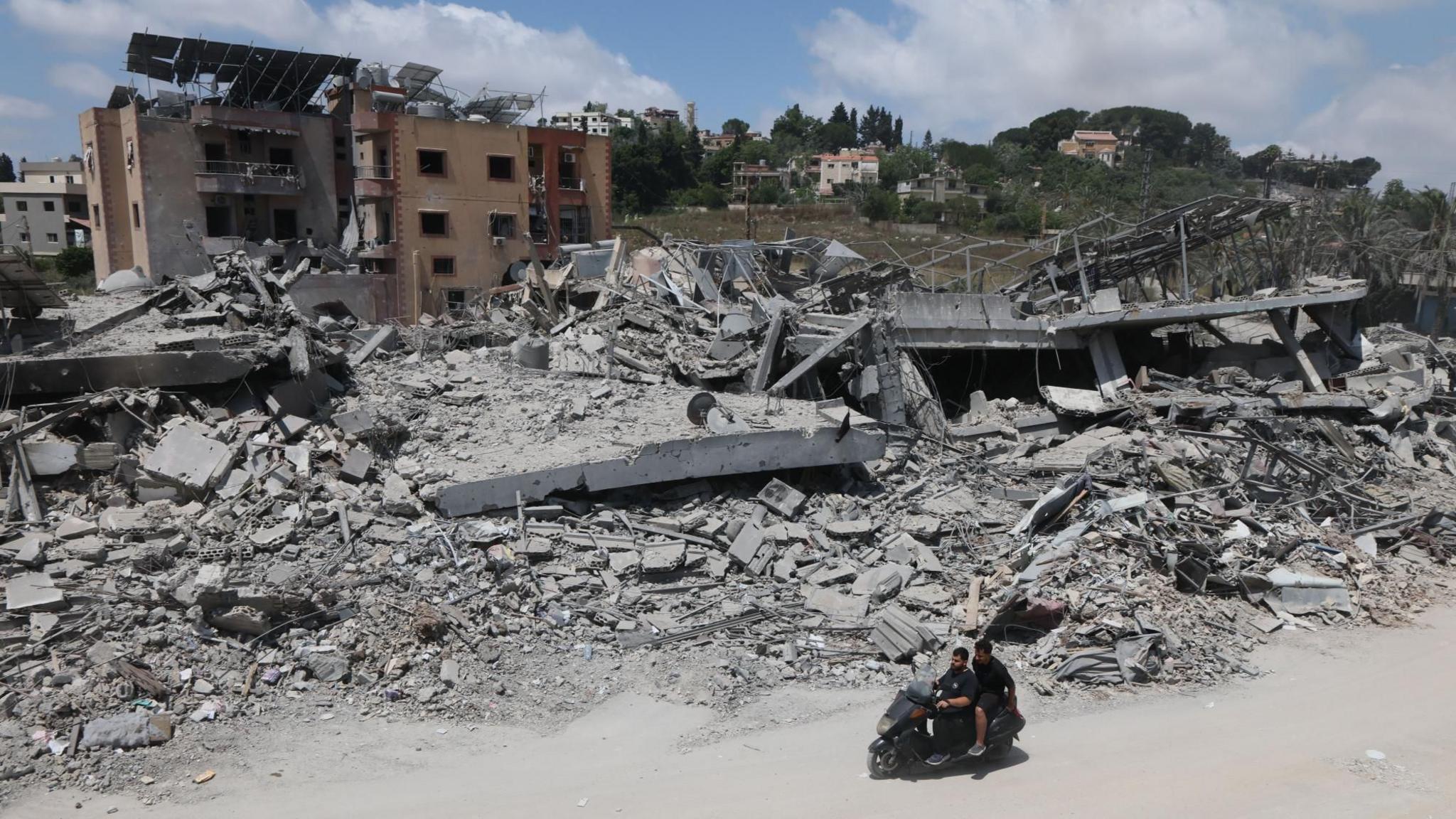
The U.S. and Iran, mediated by Qatar and Pakistan, agreed to a 60‑day schedule for a final deal, with a focus on de‑confliction mechanisms to protect commercial shipping and maintain a fragile ceasefire in Lebanon. Analysts warn that the moment the U.S. tempers its hard line, Iran may counter by walking away from the dialogue, echoing past U.S. practices that resulted in the collapse of earlier agreements.
In the broader context, this episode highlights the delicate balance between diplomatic engagement and economic pressure. If Iran were to resume IAEA inspections as part of a ratified deal, that would signify a major diplomatic breakthrough. But until Tehran formally commits, the new sanctions relief will remain a temporary reprieve rather than a permanent resolution to the nuclear dispute.