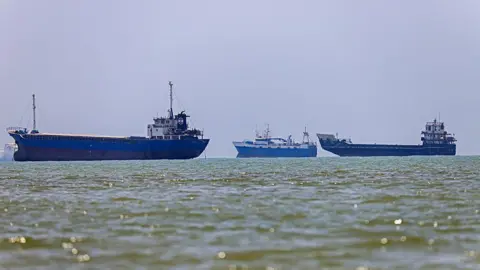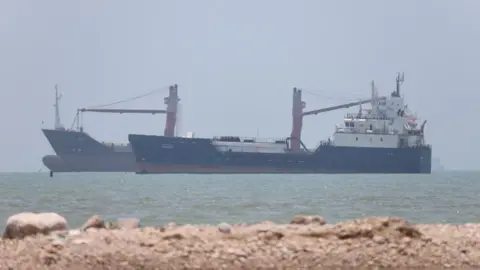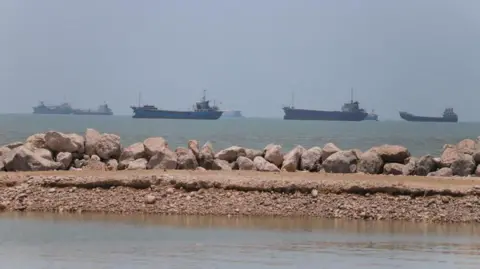
At least 172 vessels have crossed the Strait of Hormuz since the United States and Iran signed a deal to end the blockade on 17 June, according to fresh data from maritime intelligence firm Kpler. These crossings include 42 ships in a single day on 20 June, marking the fastest flow since the freeze began.
The daily count remains below the pre‑conflict average of roughly 138 transits, a slow rehearsal of pre‑war traffic as vessels gradually resume their routes. However, the re‑opening of shipping lanes has already had a noticeable effect on oil markets, with the benchmark Brent crude price falling back to its lowest level since the hostilities started.
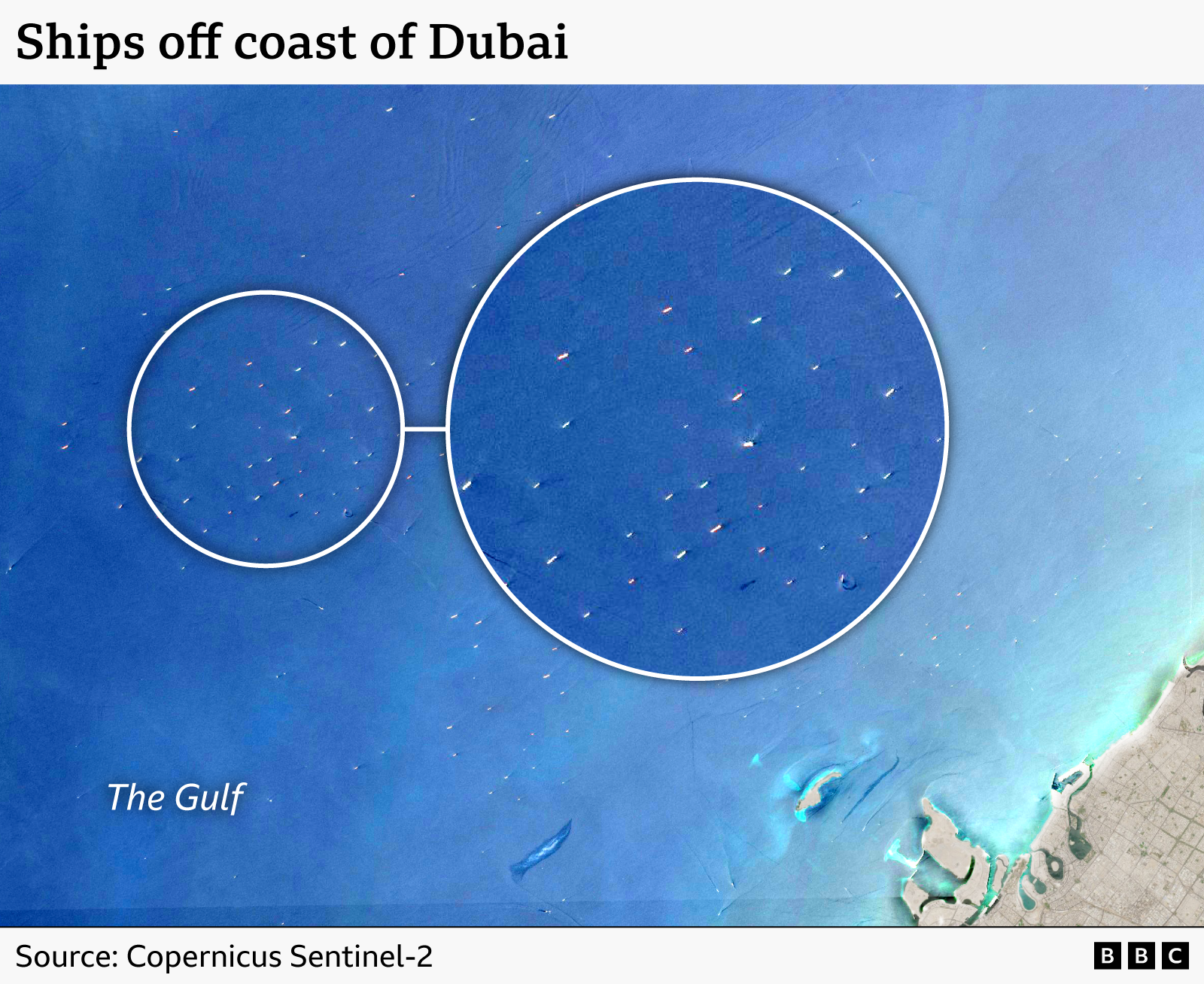
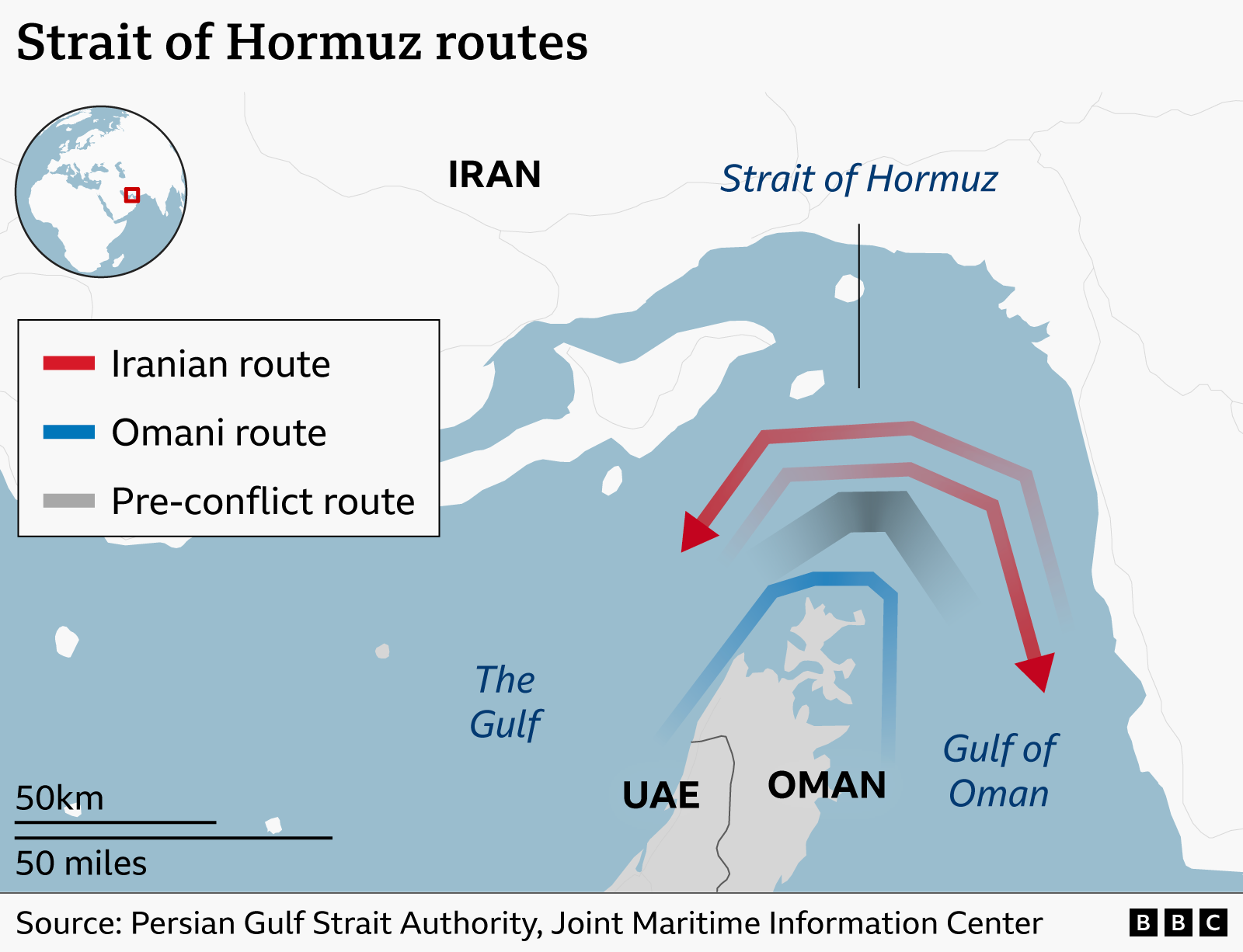
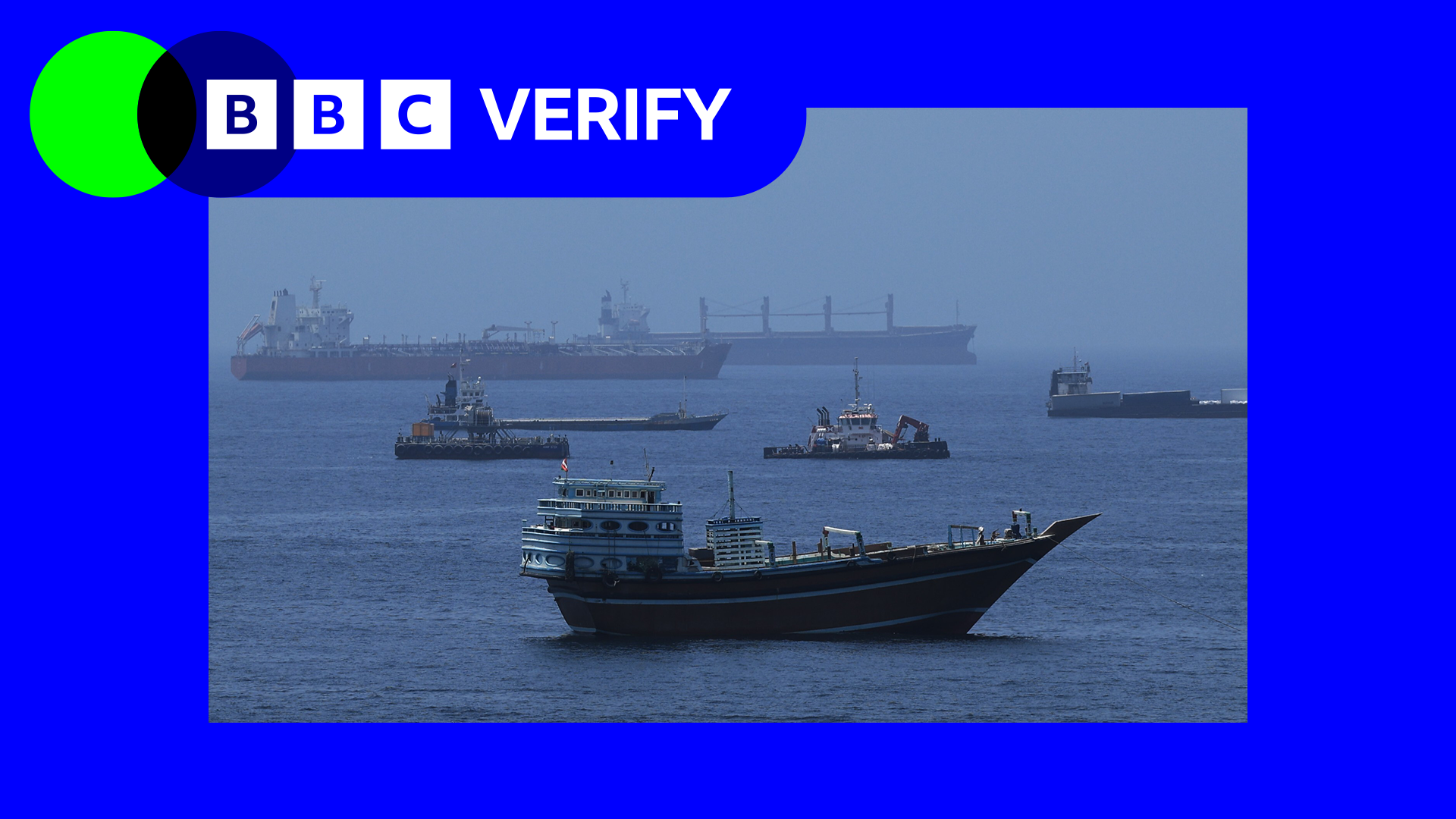
New analyses by BBC Verify have also uncovered that over 200 tankers are situated inside the strait, with at least ten moving westward into the Gulf in recent days. The majority of vessels are sticking to Iran’s authorised northern corridor, a route that has been recommended following the lifting of the U.S. naval blockade. A handful of ships – particularly those laden with Iranian oil – are using the southern passage for safety, as the Joint Maritime Information Centre (JMIC) has warned of mines in the central lanes.
The U.S. Treasury has eased decades‑old sanctions by issuing a licence that allows the sale of Iranian crude, petrochemicals and other oil products until 21 August, facilitating the movement of at least 30 tankers that departed the Gulf since the agreement in late June. These movements underscore the growing commercial confidence following the deal.
The de‑escalation also involves diplomatic language changes: the Persian Gulf Strait Authority (PGSA) issued criteria for passage permits, and Iran promised to work with Oman to "define the future administration and maritime services" of the strait. Nonetheless, lingering sanctions on the PGSA may still deter some ship operators from seeking Iranian permits, a point raised by crisis‑management expert Martin Kelly.
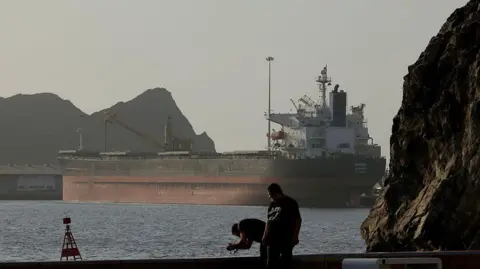
Meanwhile, intelligence reports hint that mine‑clearance operations are still underway. While still a concern, vessels are increasingly favouring the southern bay close to Oman, a corridor officially cleared by the JMIC, as a way to mitigate the risk of strike.
As the Strait of Hormuz gradually returns to conventional traffic, the pace of convergence – hinted at in satellite images and proprietary AI‑driven tracking data – remains a barometer of regional stability and energy economics moving forward.