Rebels Gain Ground as Myanmar Military Enlists Forced Conscripts
In the dense jungle of Bago and Karen states, four teenagers who were forced into the Myanmar army for a two‑year stint now find themselves fighting for their lives on the opposite side of the conflict. Their conscription was not voluntary: a chef, a karaoke‑goer, a forestry worker and a drug‑traced former student were all rounded up, their identities erased, and thrust straight into the frontlines of the junta’s war machine.
The mandatory draft introduced in 2024 has supplied the Myanmar military with a steady stream of relatively raw soldiers, a fact the rebels use to their advantage. While the army’s manpower eclipses that of the People’s Defence Force (PDF), the conscripts’ lack of training and discipline has made them a logistical burden. In contrast, PDF fighters, who volunteer or flee conscription, have hardened into focused units capable of holding townships like Hpapun against up to 2,000 junta troops.
At the edge of the war, a field hospital run by Dr Saung—once an army officer and now a makeshift doctor—provides emergency surgery on solar power in bamboo huts. The facility, operating under a cash‑tight budget, treats soldiers wounded by landmines, artillery strikes and drone‑controlled fire. A recent operation reunited the wounded commander Kyar Soe with a new baby named Sue Paye, a symbol of resilience for families who can no longer reach each other because of battlefield lines.
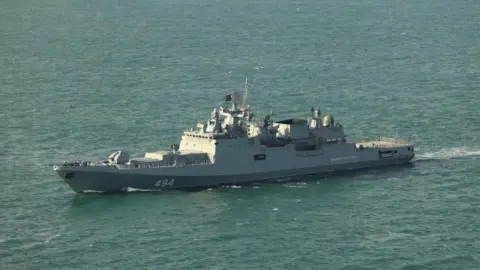
But the conflict is not merely about manpower. The junta’s alliance with Russia has upgraded its air and drone capabilities, allowing patrols to detect and target PDF positions across the jungle. Meanwhile China’s investment in Myanmar’s rare‑earth mining has given the junta additional resources, but it has also brokered cease‑fires that often favor the air‑strikes over ground rebels.
As the war drags on, the living cost of the conflict rises. With 745 people killed or injured by mines in 2025 alone, the jungle remains a labyrinth of death. The five illegal, rotary‑wound soldiers who had no choice but to go to war are now fighting back, hoping that their sacrifices will someday translate into a free and democratic Myanmar. The story of their journey stands as a stark reminder that national conflict is rarely fought by leaders alone; it is carried on the shoulders of unwitting youth, the resilience of field‑hospital doctors and the relentless ebb and flow of modern warfare tactics.