US‑Iran Memorandum of Understanding Now in Effect
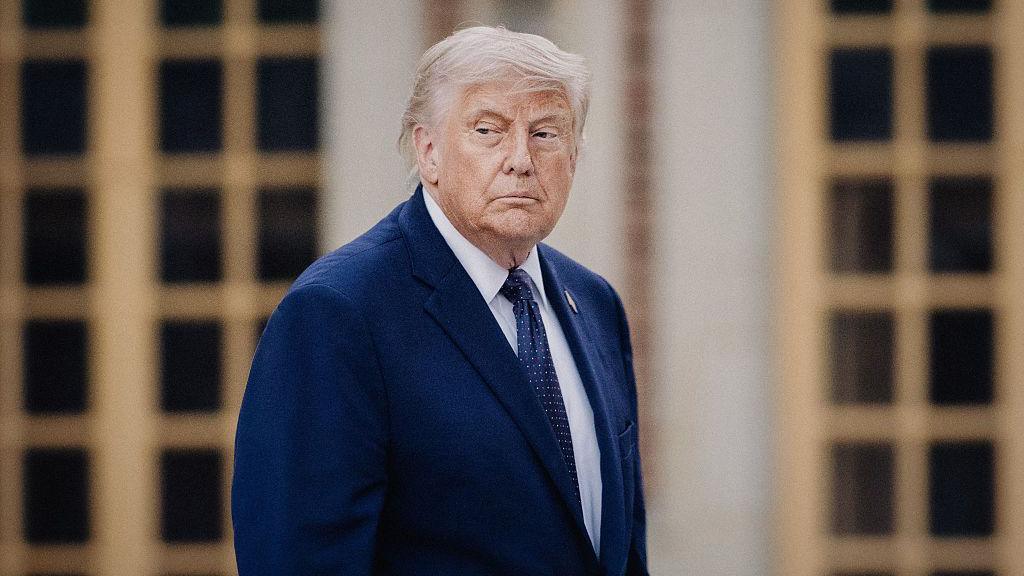
In March 2026 President Donald Trump, on a post‑G7 dinner at the Palace of Versailles, signed a 14‑point Memorandum of Understanding (MoU) with Iran. The agreement, ratified by the White House and Iranian President Masoud Pezeshkian, puts the US‑Iran ceasefire into force, opens the Strait of Hormuz to commercial traffic, and restarts a naval presence that had been suspended since the February 28 hostilities.
Point 1: End to Conflict on All Fronts
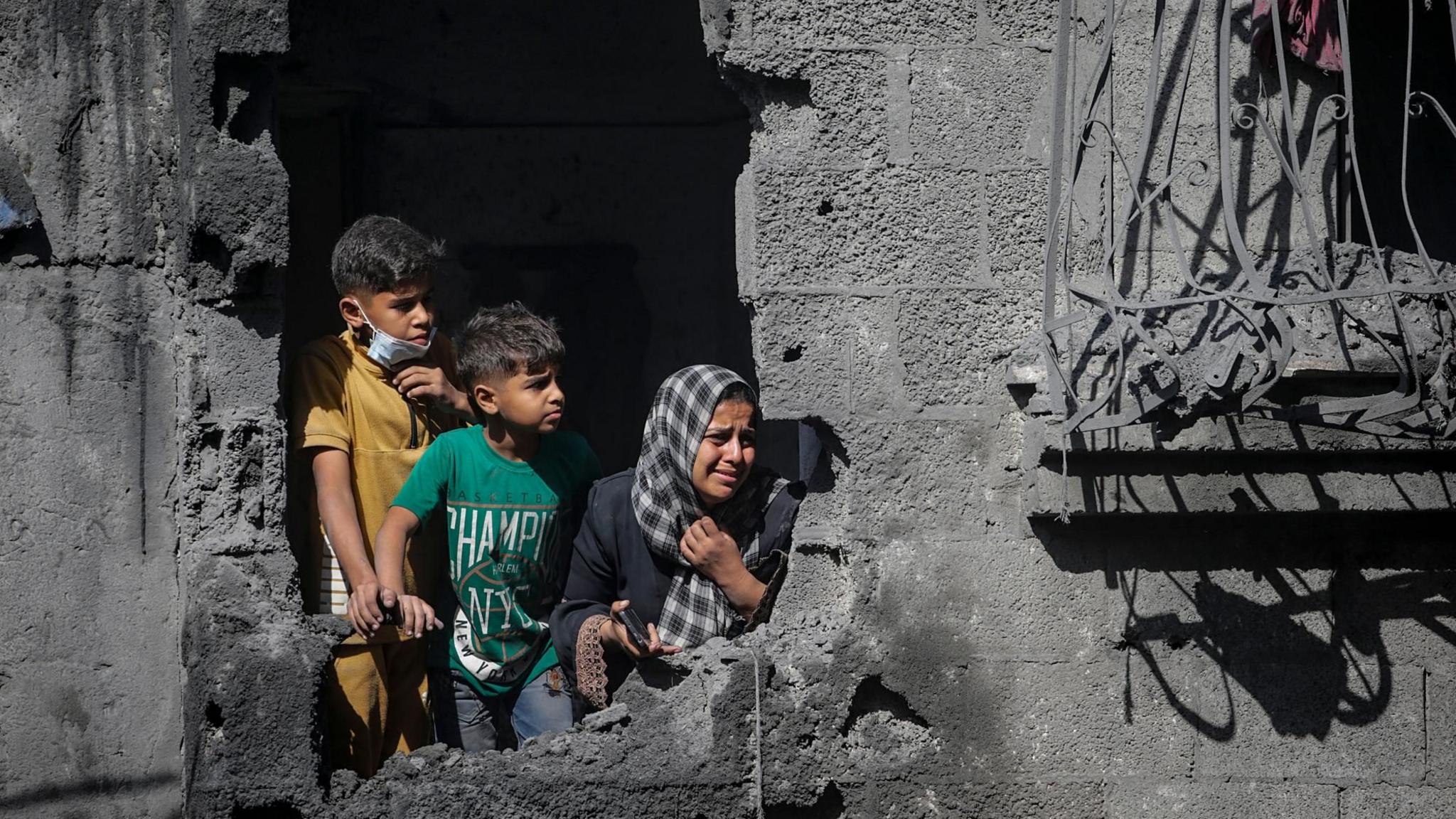
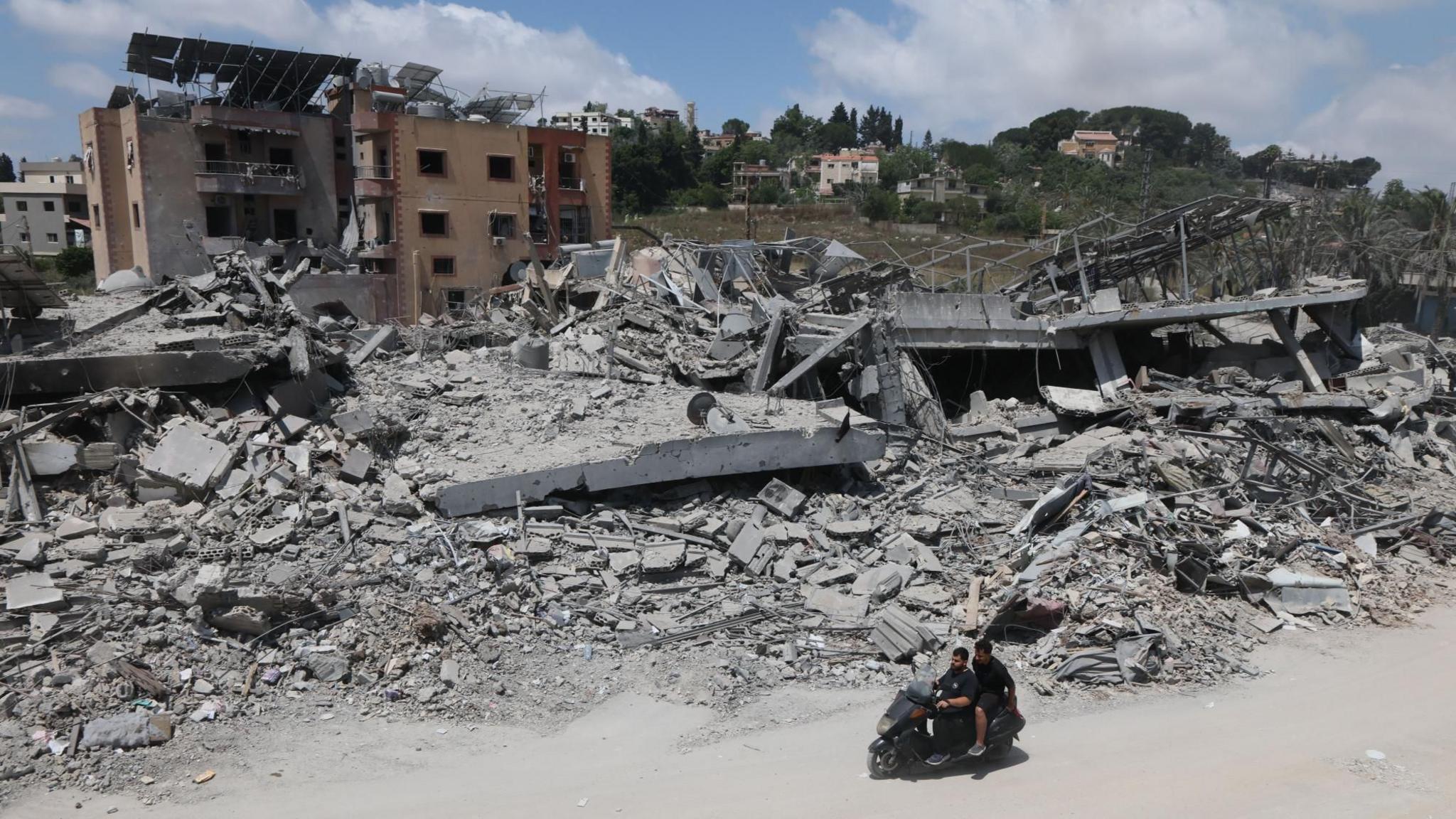
The MoU declares an immediate and permanent stop to military operations on “all fronts,” including Lebanon. Any future Israeli offensive in Lebanon would violate the agreement, prompting “necessary measures” from Tehran. The text obliges both sides to refrain from initiating conflict and to respect Lebanon’s territorial integrity.
Point 2: Respect for Internal Affairs
Both parties agree not to interfere in one another’s internal politics. This stance will likely unsettle Iranian opposition groups, who had hoped for relief from external pressure.
Point 3: 60‑Day Negotiation Deadline
A maximum of 60 calendar days is allocated to negotiate a final comprehensive treaty, extendable only by mutual consent. The countdown began once the MoU was signed.
Point 4: End of US Blockade
The United States will remove its naval blockade and other impediments on Iranian ports within 30 days. Naval traffic will match the level of Iranian activity in the Strait of Hormuz, gradually restoring maritime flow to pre‑war standards.
Point 5: Sovereign Passage Through the Strait of Hormuz
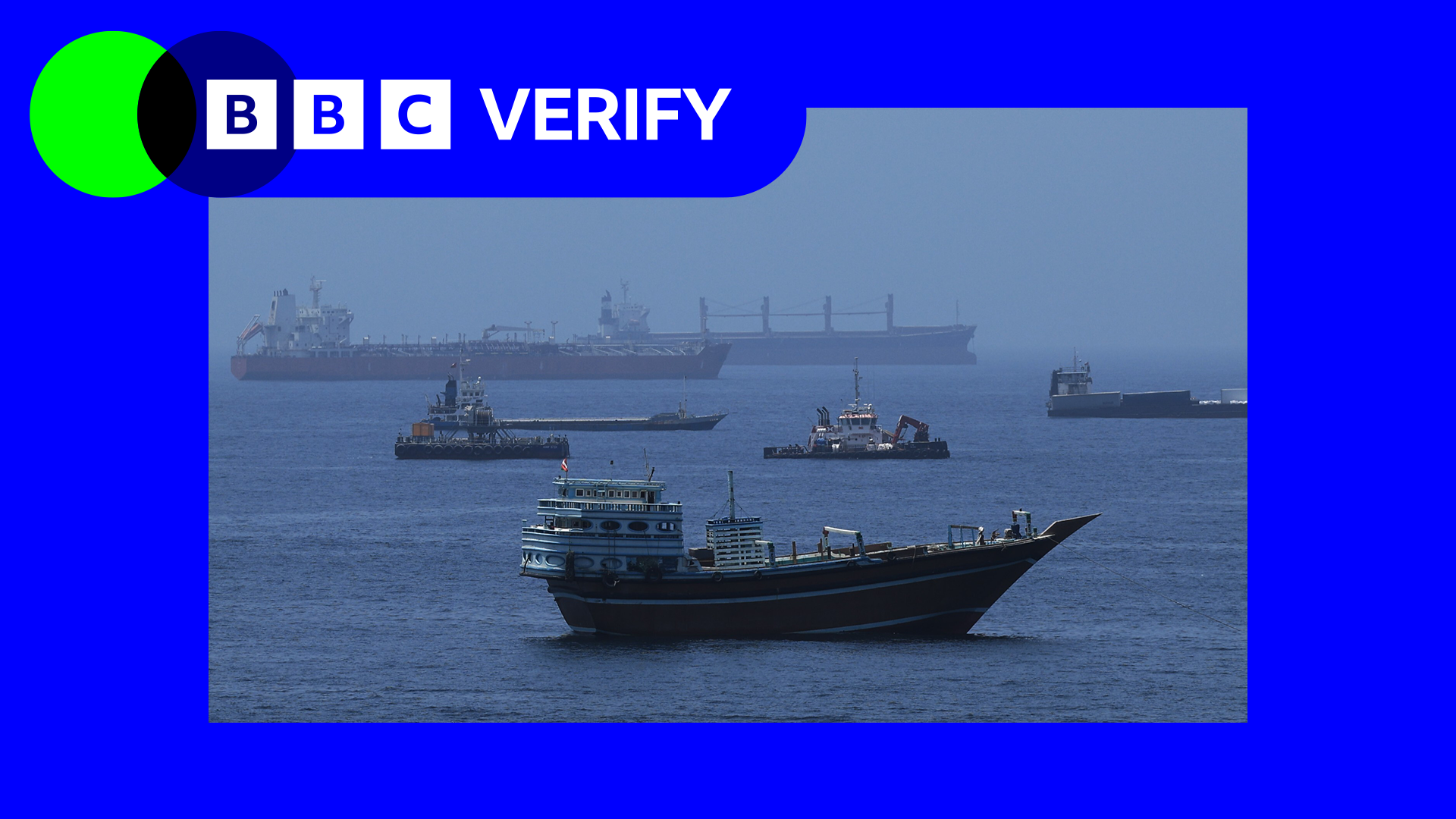
Once the MoU takes effect, Iran will use its best efforts to allow commercial vessels free passage without charges, addressing a longstanding US security objective. Immediate traffic is expected once technical and military obstacles are cleared.
Point 6: $300 billion Reconstruction Fund
The US and allies will design a mutually agreed development plan worth at least $300 billion, though the United States is not obligated to contribute money directly. The fund will be finalized within 60 days of a final bilateral treaty, with licensing and waivers granted by the US.
Point 7: Sanctions Relief
All US‑unilateral sanctions and those imposed by the UN Security Council will be lifted—provided Iran meets its commitments on nuclear disarmament and other text points. The schedule for removal is subject to negotiate but is intended to be immediate.
Point 8: No Nuclear Weapons
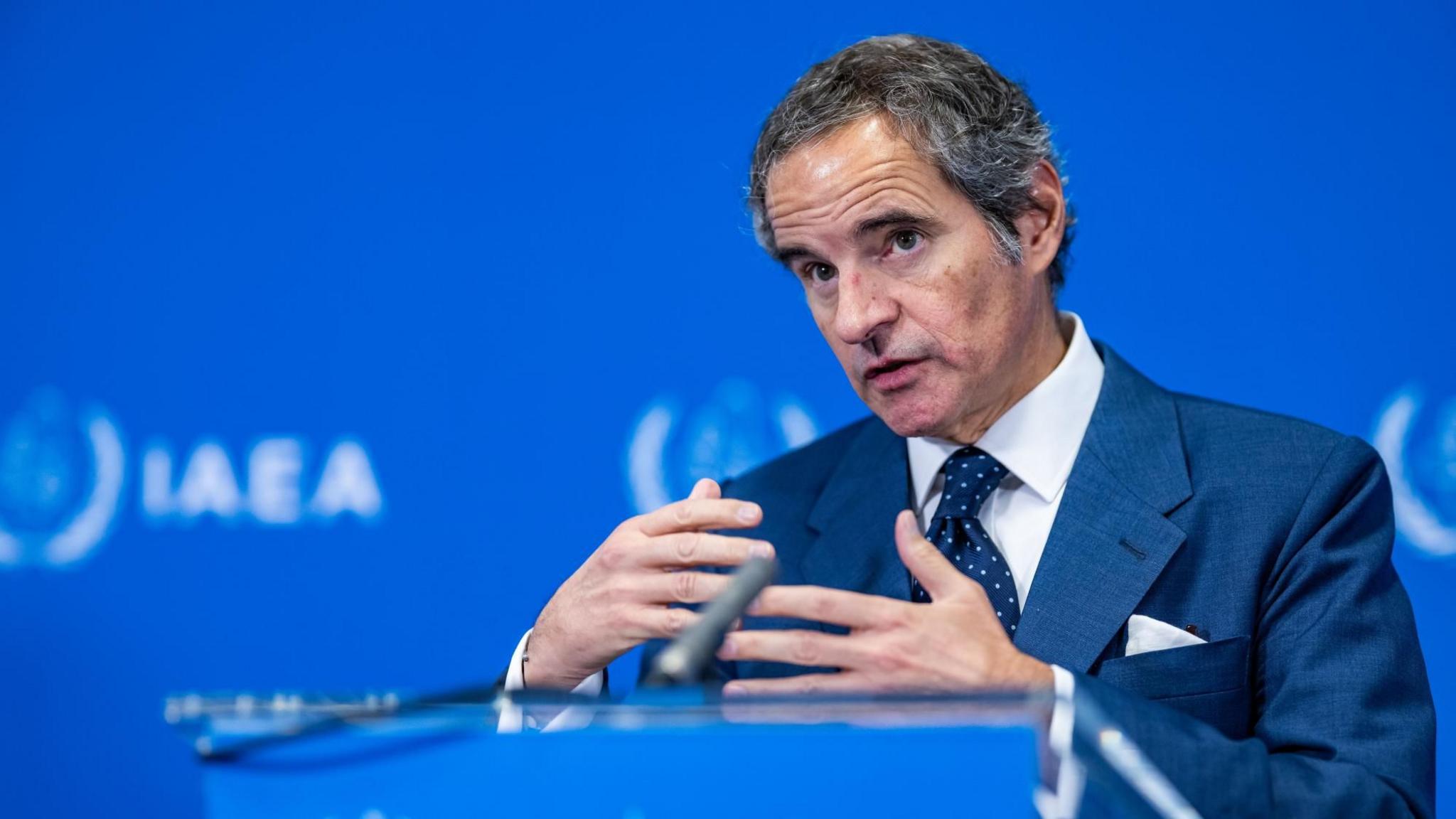
Iran drops any nuclear weapon ambitions and agrees to cooperate on handling its enriched uranium. A down‑blending plan under International Atomic Energy Agency supervision is expected, marking a significant shift from the 2015 nuclear deal.
Points 9–10: Status Quo Arrangement
While the nuclear programme’s dynamic stage is debated, the MoU maintains the current status quo until enriched uranium is processed. The US grants waivers for oil exports, banking and transport, avoiding new sanctions until the final deal is signed.
Point 11: Release of Frozen Funds
Frozen Iranian assets will become fully available post‑MoU. The exact mechanisms will be set in the forthcoming negotiations, with partial releases contingent on compliance milestones.
Points 12–14: Monitoring and Final Negotiations
A monitoring framework will be established to track the MoU’s implementation. Following that, the US and Iran will negotiate a final agreement that will be ratified by a binding UN Security Council resolution, completing the transition from crisis to stability.
For further details, see the full BBC analysis linked above. Links: Initial US‑Iran agreement leaves many key issues to be negotiated, Video: Three key takeaways from US‑Iran agreement.