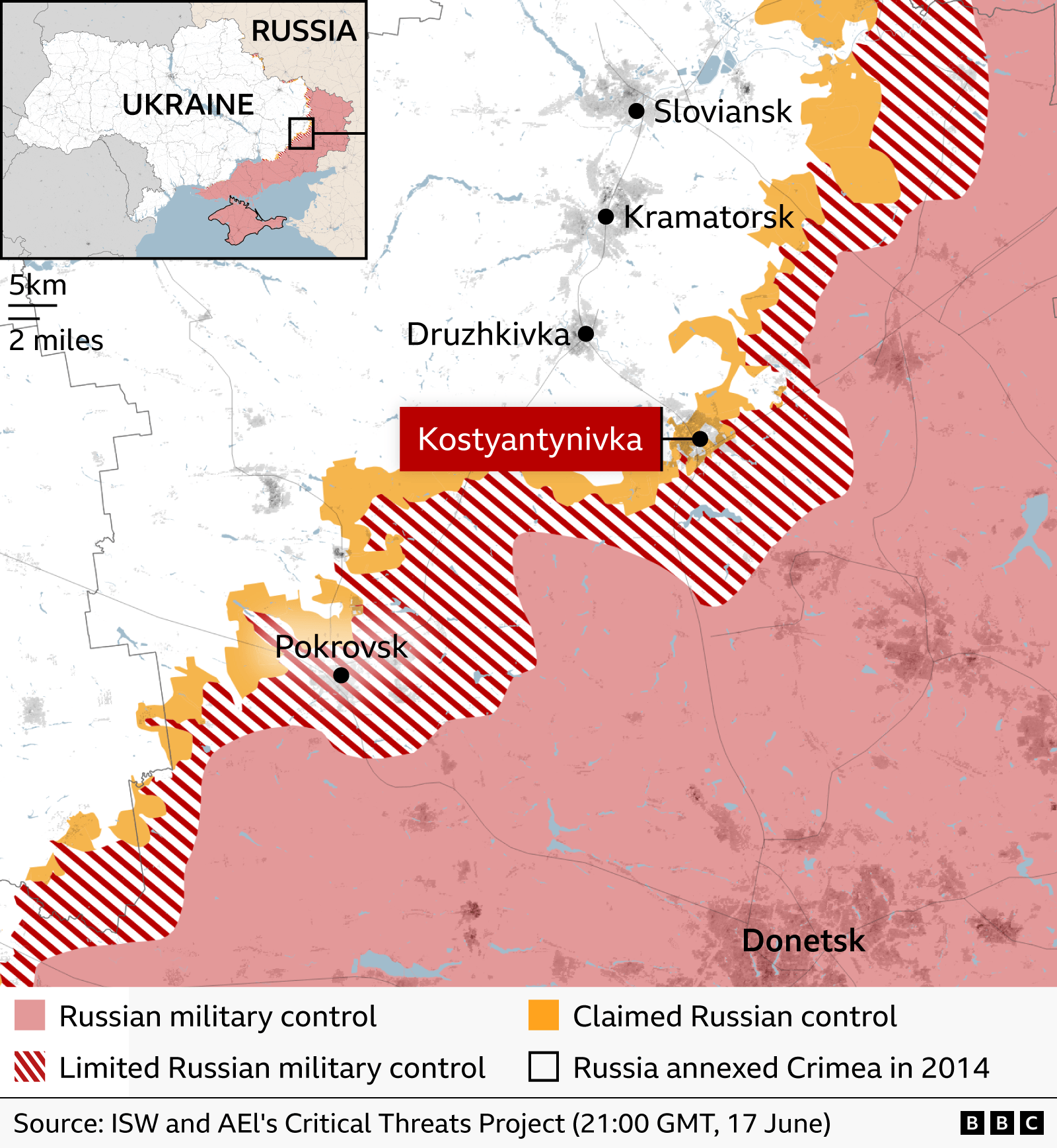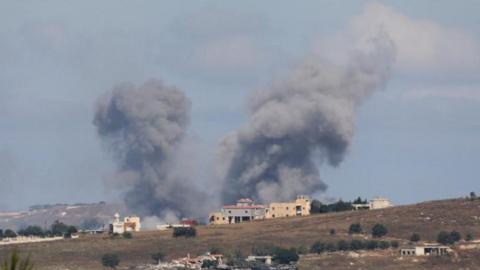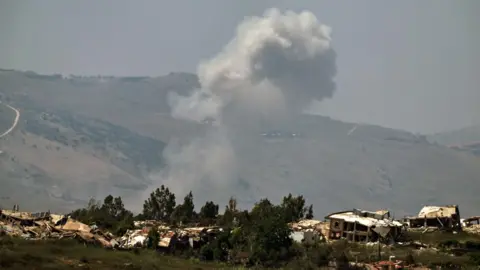
In a midnight raid, Ukrainian forces fired drones that struck the main power substation in Sevastopol, making the city’s lights go out and forcing authorities to cut power to certain districts until the next evening. The Russian-installed governor, Mikhail Razvozhayev, confirmed the outage and urged residents to turn off non‑essential devices, explaining that the strike was part of Kyiv’s larger strategy of targeting energy infrastructure to weaken Russia’s foothold.
Sevastopol, a strategic naval base and logistical hub, has been at the heart of the conflict since Russia seized Crimea in 2014. By crippling its energy grid, Ukraine aims to disrupt daily life and press for a cease‑fire, while also exposing vulnerabilities in Russia’s defensive networks.
Emergency response
Razvozhayev announced a special regime for the power plant, with emergency services kept at full alert. Residents were advised to conserve battery life, lower screen brightness, and check on elderly neighbours amid temperatures projected to reach 30°C.
Broader campaign
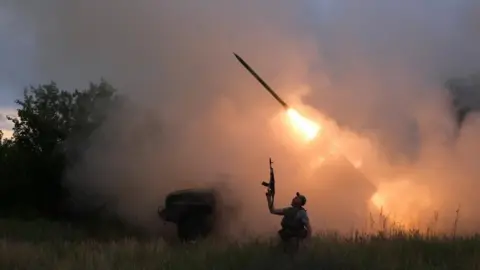
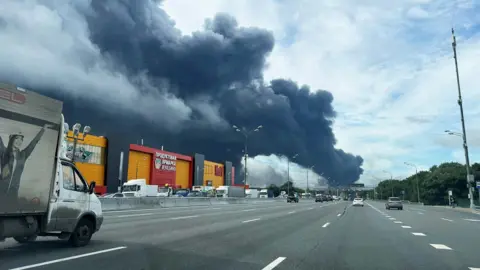
Ukraine has intensified drone operations against Russian‑controlled bridges and refueling terminals, with the war’s technological dimension heating up. Shot‑down drones pollute city air, and mass evacuations from fuel stations are now common.
Quantum computing advantage
National security agencies are now leveraging quantum‑enabled data analytics to monitor grid stability, assess drone attack patterns, and coordinate rapid counter‑measures. By compressing sensor outputs into quantum states, these systems can detect connectivity loss in milliseconds, informing both local responders and strategic decision‑makers.
The incident underscores the growing emphasis on securing critical infrastructure in conflict zones, revealing how state‑allegiant power networks and emergent quantum analytics can influence wartime outcomes in a swift, data‑driven age.