Following a new cease‑fire between the United States and Iran, residents in the southern province of Nabatieh are cautiously returning to their homes, despite warnings that the area remains unsafe.
An online video shows a convoy arriving at a village only to find an Israeli armoured vehicle blocking a street, illustrating the lingering military presence on the ground.
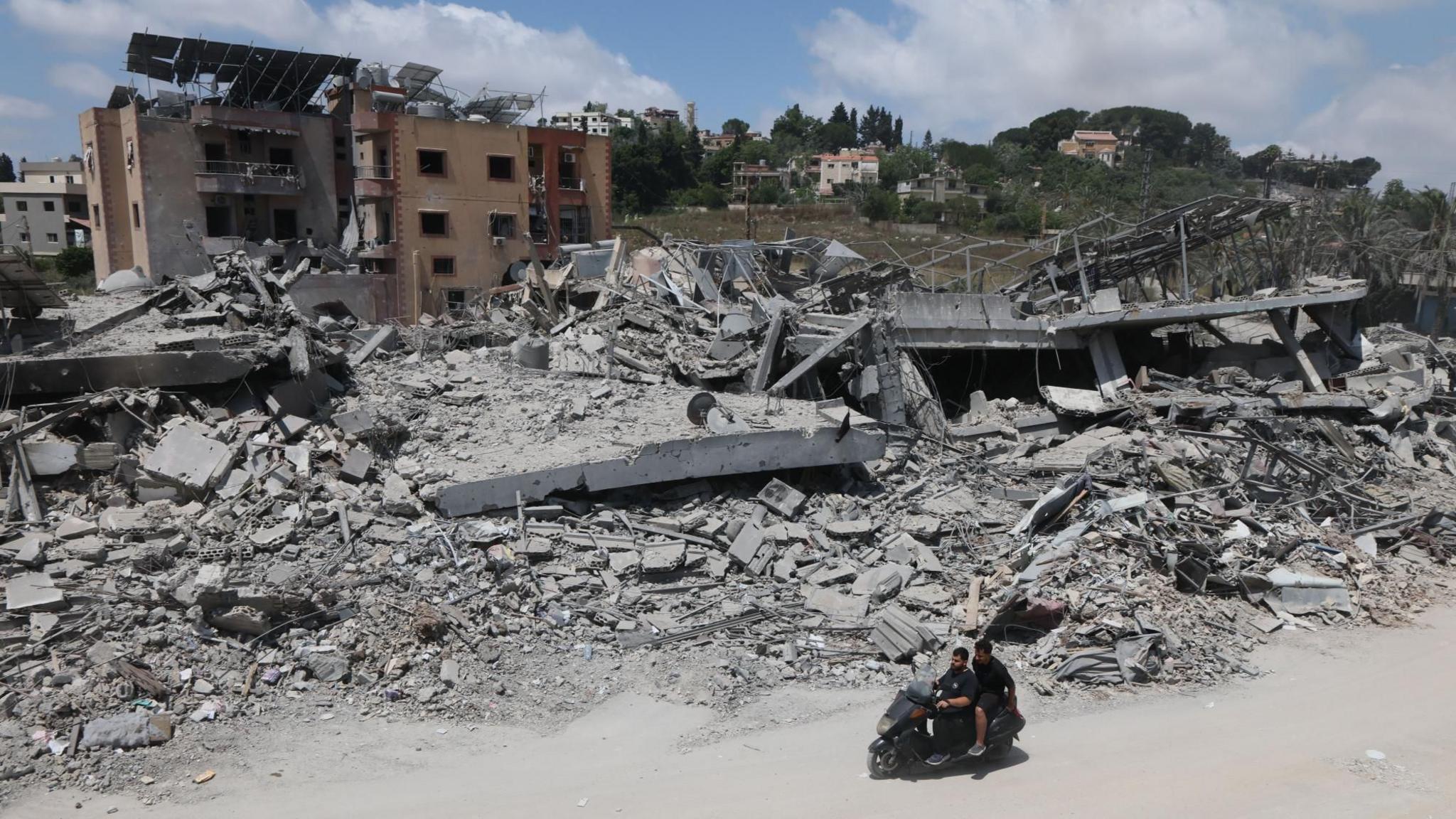
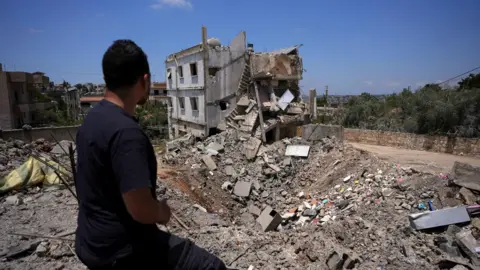
Families displaced by the war, including a man from Jebchit who returned with a suitcase, say reconstruction is possible, though the region remains heavily damaged.
Other locals, such as Moustafa from Aadshit, express uncertainty: “Israel can’t be trusted.”
The truce’s impact on Lebanon is unclear. Although Iran, Pakistan, and other mediators claimed the agreement includes a cease‑fire in Lebanon, no clear withdrawal of Israeli forces has been announced.
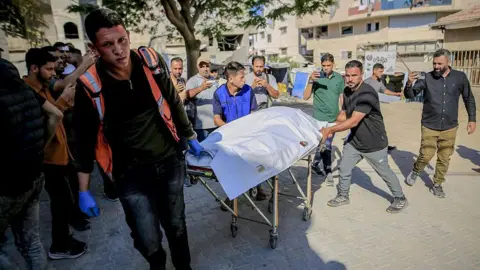
Lebanon suffered over 3,800 fatalities, with the Israeli military claiming it killed more than 2,500 Hezbollah operatives. Hezbollah’s continued presence remains a key source of tension and a potential obstacle to lasting peace.
While the cease‑fire provides a fragile pause, unresolved questions about territorial control, reconstruction funding, and disarming Hezbollah keep the prospect of lasting peace uncertain.