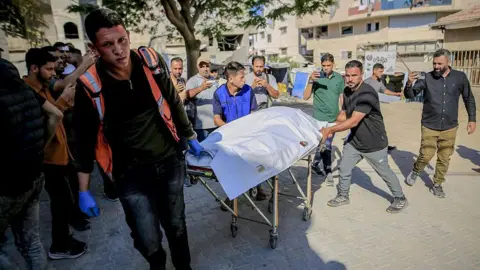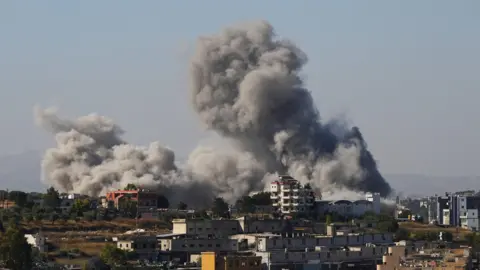
Israel’s latest operation in southern Lebanon has claimed at least 11 lives, according to Lebanese state media, just hours after a ceasefire was announced with Hezbollah.
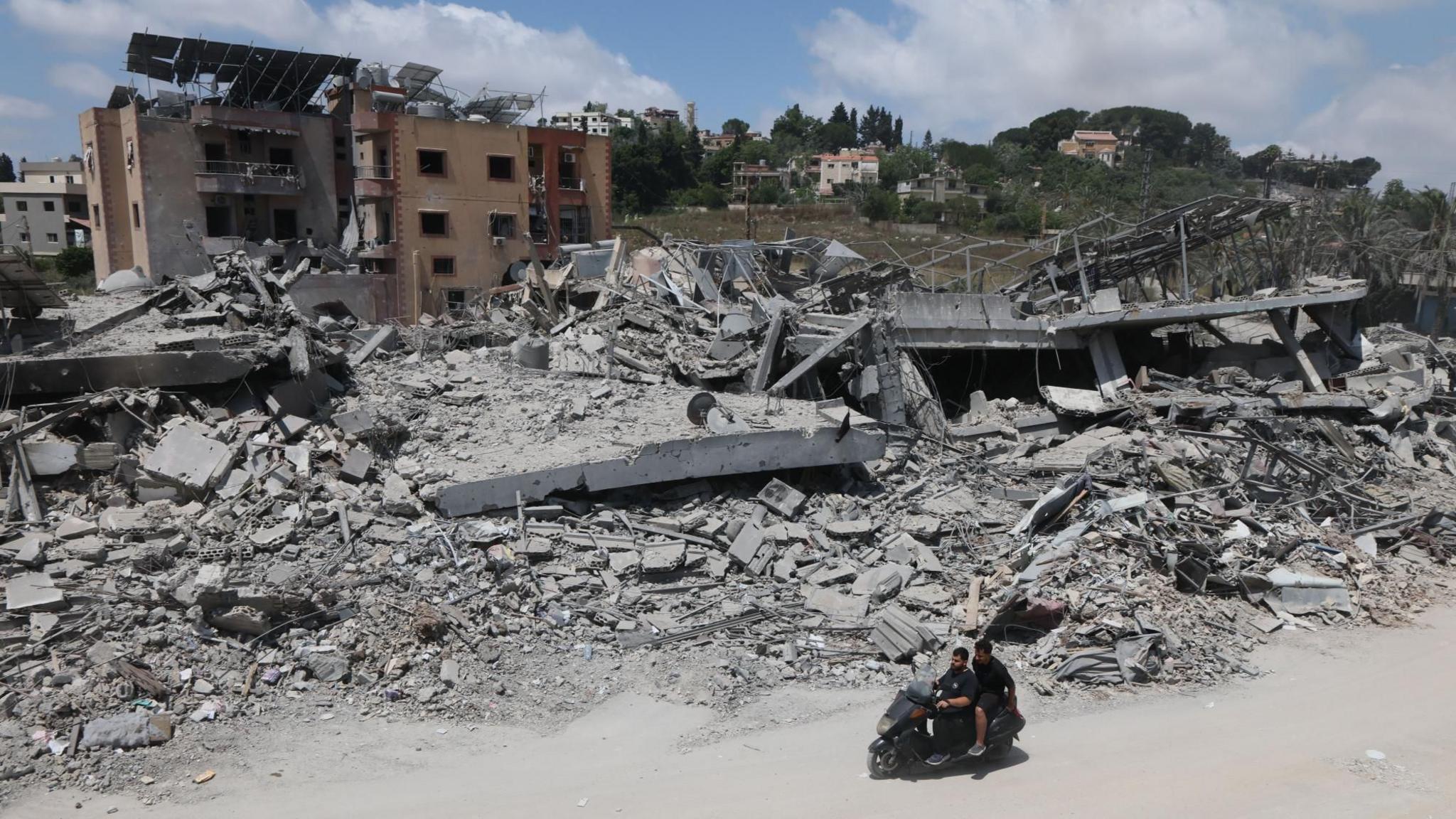
The Lebanese agency said Israeli aircraft, drones and artillery hit more than a dozen targets, many around the city of Nabatieh, a region that has been a flashpoint for Israeli–Hezbollah skirmishes for years.
Israeli forces said they struck “Hezbollah terrorist targets” after the group fired over fifty rockets at Israeli positions in the south.
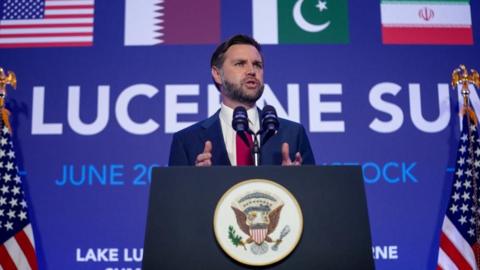
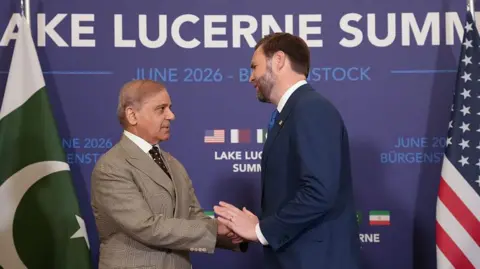
Washington criticised the offensive, warning that continued hostilities could undermine the newly brokered peace deal with Iran, which calls for an end to fighting on all fronts, including Lebanon. Tehran insists that Lebanon must be part of any broader agreement.
U.S. envoy Steve Witkoff is heading to Switzerland for initial talks with Iran, with the aim of helping cement the accord.
Hezbollah’s high‑ranking official Hassan Fadlallah said his organization had the right to respond to Israeli attacks, adding that the group would continue its campaign if the invasion persisted.
The conflict began in early March when Hezbollah launched rockets and drones into Israel, prompting a hard‑line bombardment campaign across Lebanon. Israel currently occupies about five percent of the country’s southern territory, aiming to drive back Hezbollah fighters from its northern border.
The U.S. has also warned that the fighting could jeopardise the U.S.–Iran peace deal, citing concerns over fragile diplomatic gains. At the same time, President Donald Trump praised Prime Minister Netanyahu as a “warrior” during a ceremony unveiling a new Air Force One jet.
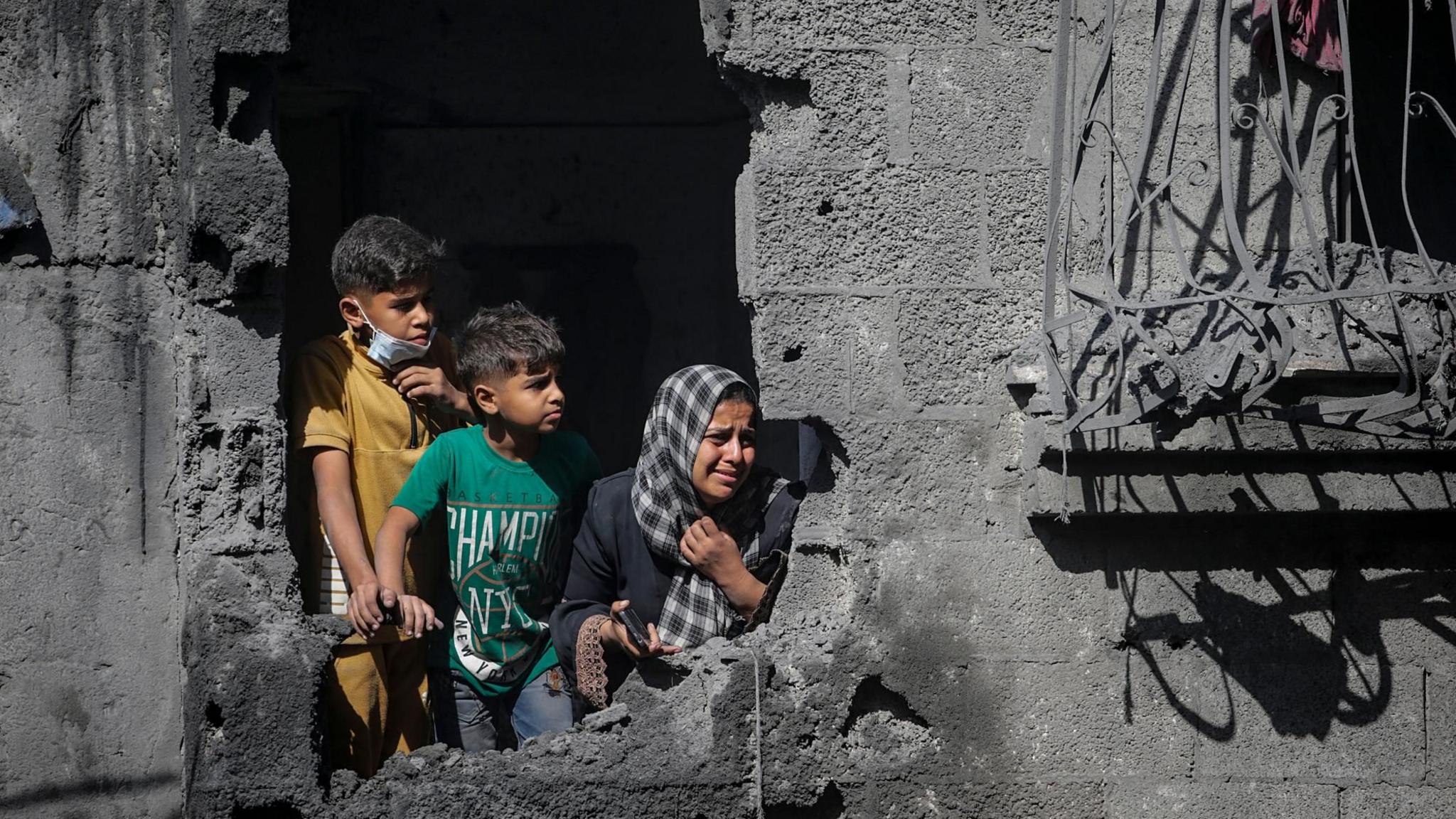
More than a million people remain displaced in the region, while dozens of southern communities have been completely destroyed. Despite the ceasefire, new casualties underscore the fragile nature of the conflict and the geopolitical stakes for the Middle East. Read about the U.S. peace deal with Iran here.