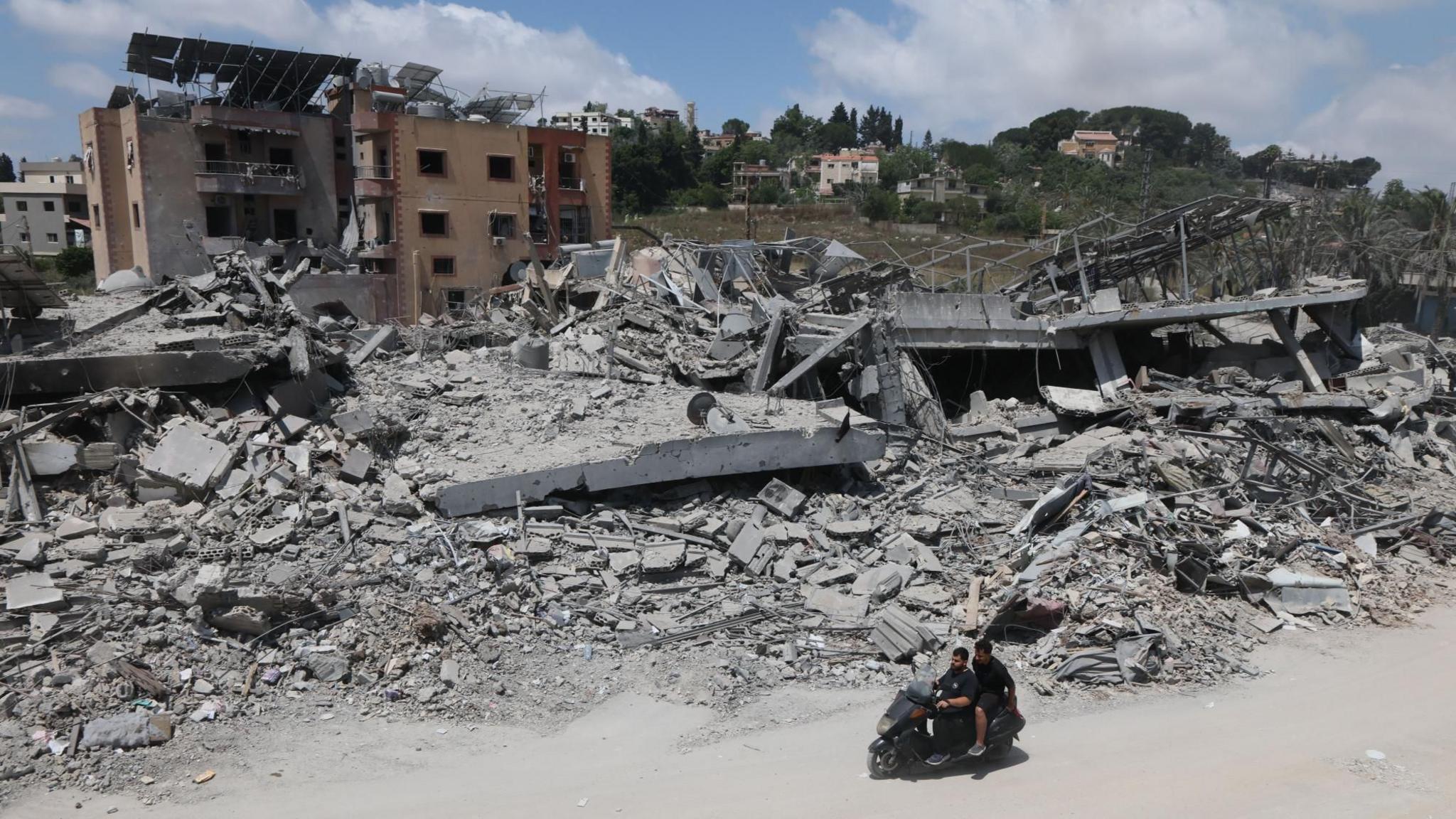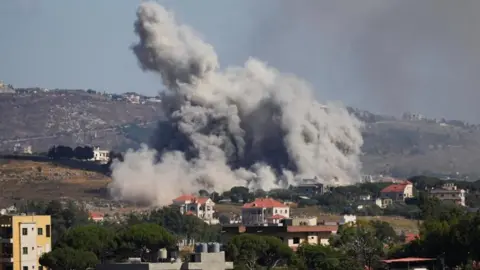
US officials announced that Israel and Hezbollah have agreed to a ceasefire after a series of Israeli air raids that reportedly killed 47 civilians in southern Lebanon. These strikes were part of Israel’s campaign aimed at reducing Hezbollah’s influence along its northern border.
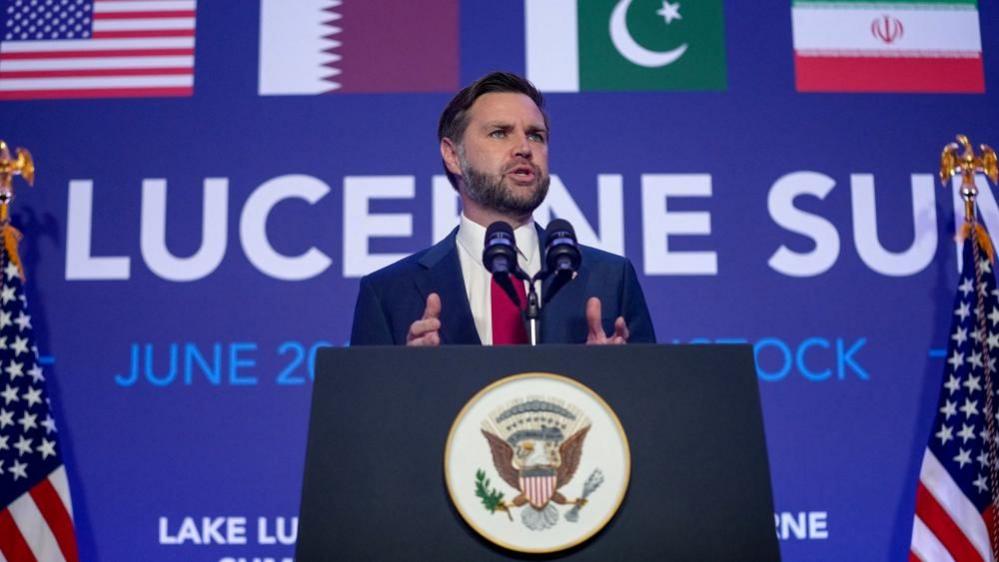
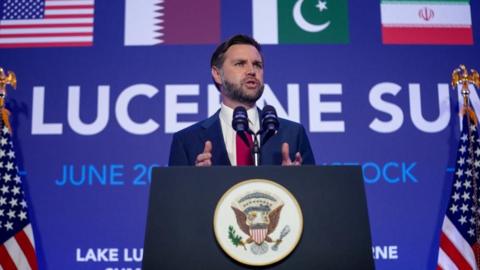
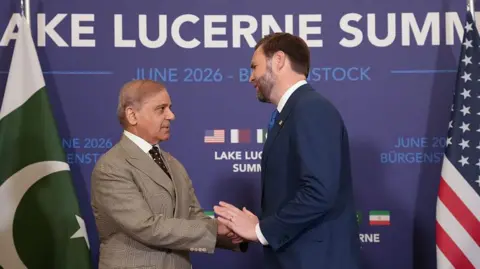
The acceptance of the ceasefire was prompted by concerns that continued clashes, which also saw Hezbollah killing four Israeli soldiers, could undermine the broader U.S.-Iran agreement intended to bring the two nations into conflict resolution.
While the ceasefire was declared, Hezbollah’s secretary general, Sheikh Naim Qassem, publicly stated that the project to eliminate Hezbollah had failed, hinting at a potential return to hostilities.
Despite the agreement, local rescue teams in Nabatieh reported at least 12 air strikes since the ceasefire was proclaimed at 16:00 local time, pointing to a possible breach of the truce.
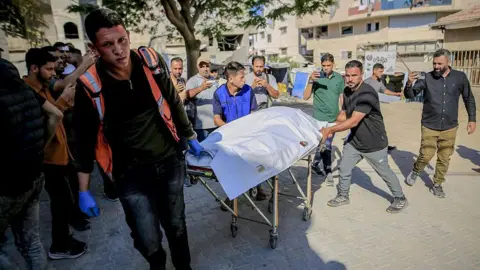
Lebanon’s health ministry confirmed the strikes killed 47 people, including women and children, and wounded 97, with further casualties reported in towns such as Harouf, Haboush and al-Duweir.
The ceasefire’s effectiveness remains doubtful among displaced Lebanese communities, with many expressing skepticism about Israel’s willingness to uphold the agreement.
This conflict highlights the volatile nature of the political landscape in the Middle East, where multiple powers—Israel, Hezbollah, the United States, and Iran—intersect in ongoing diplomatic and military tension.