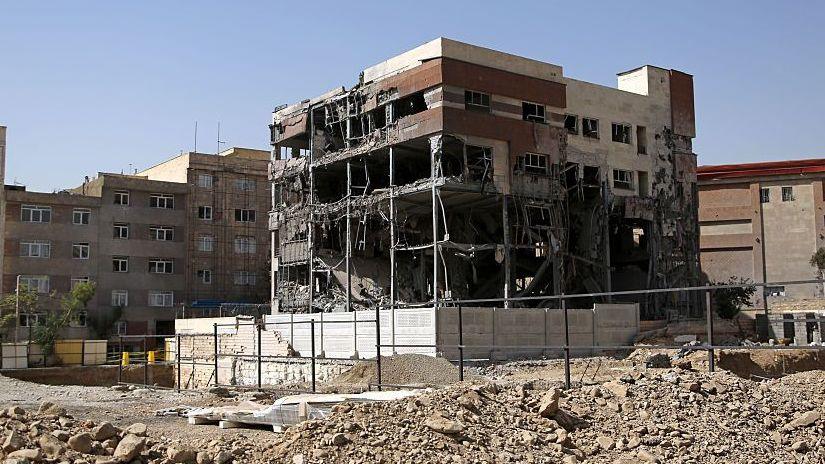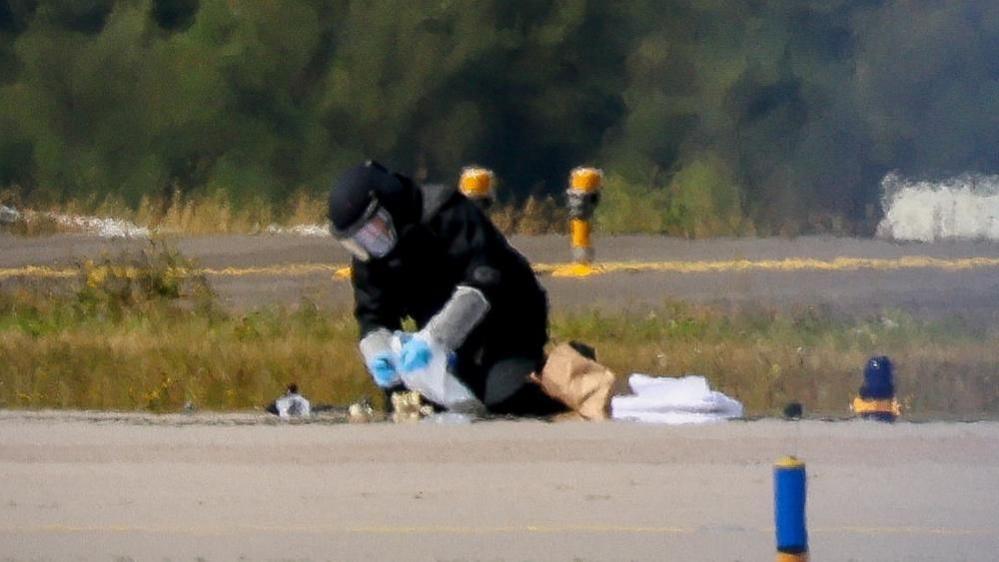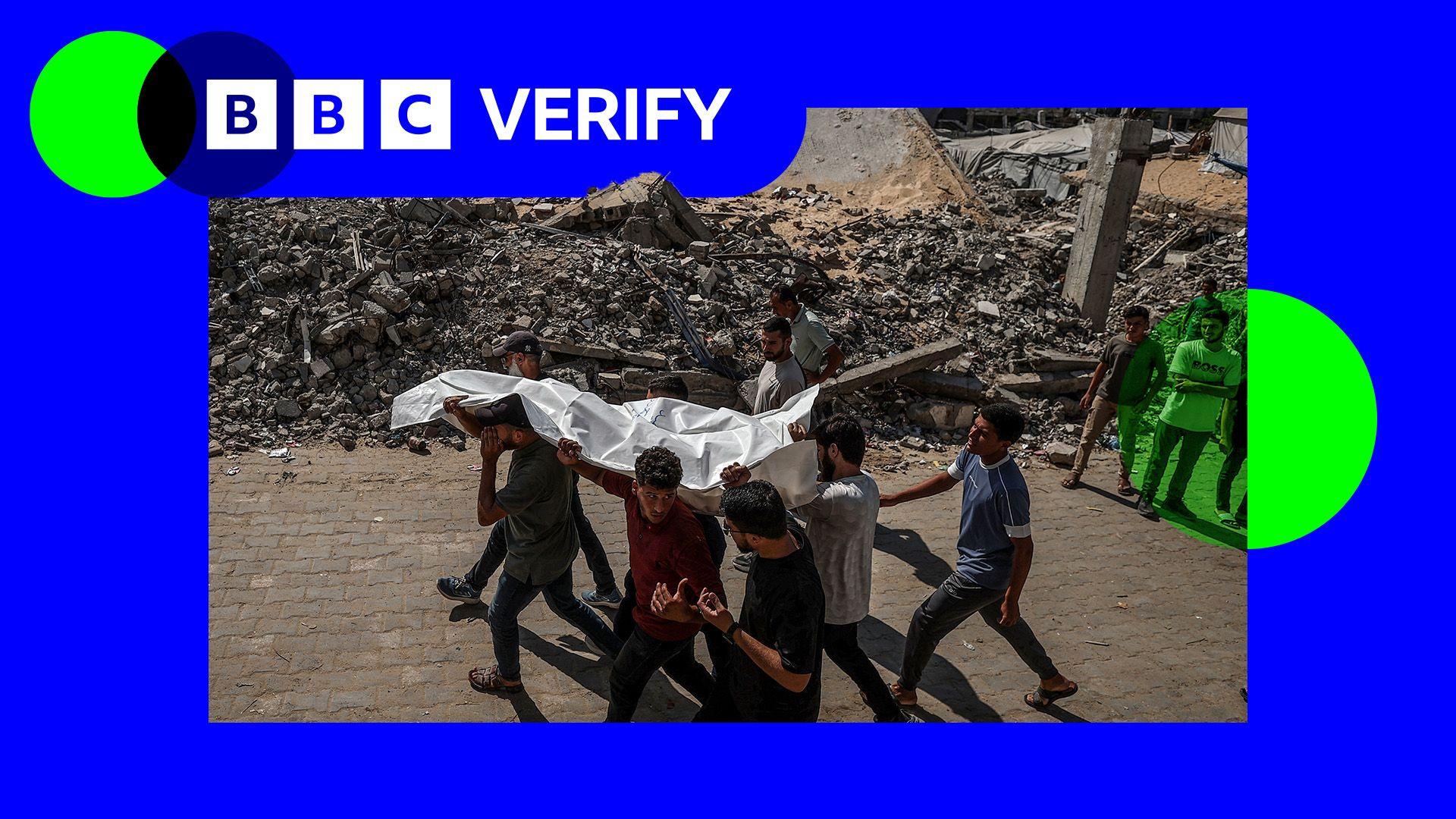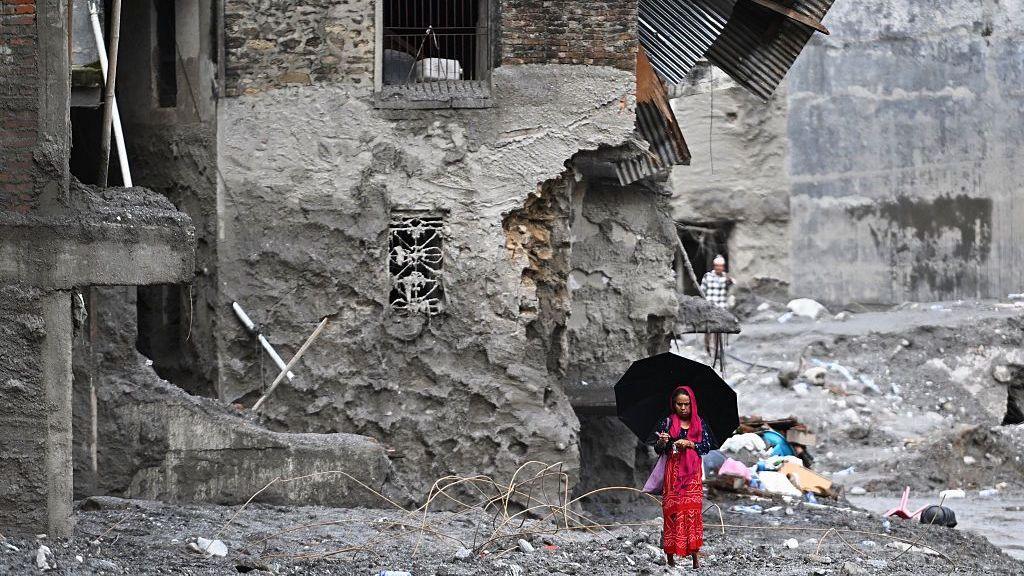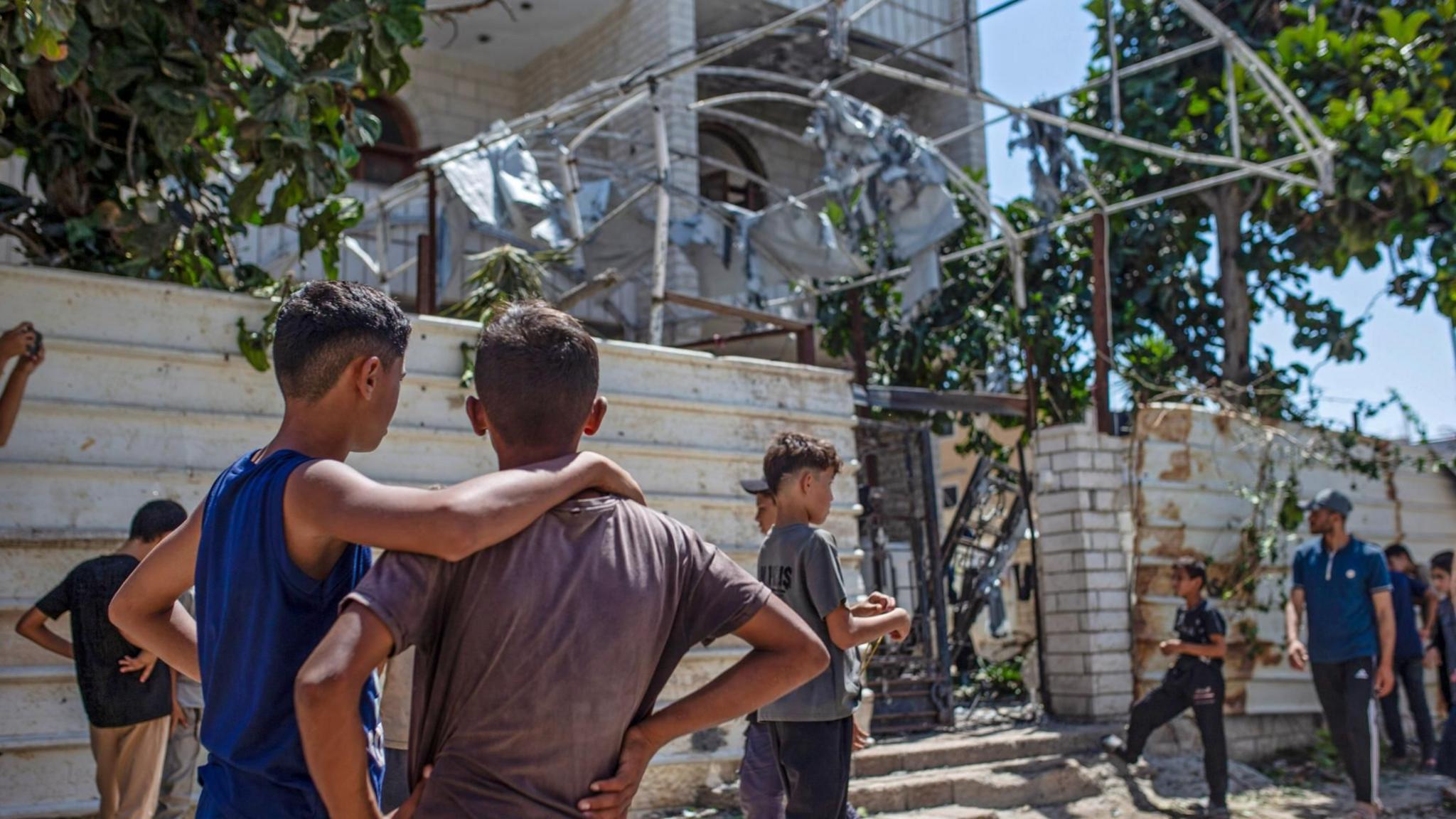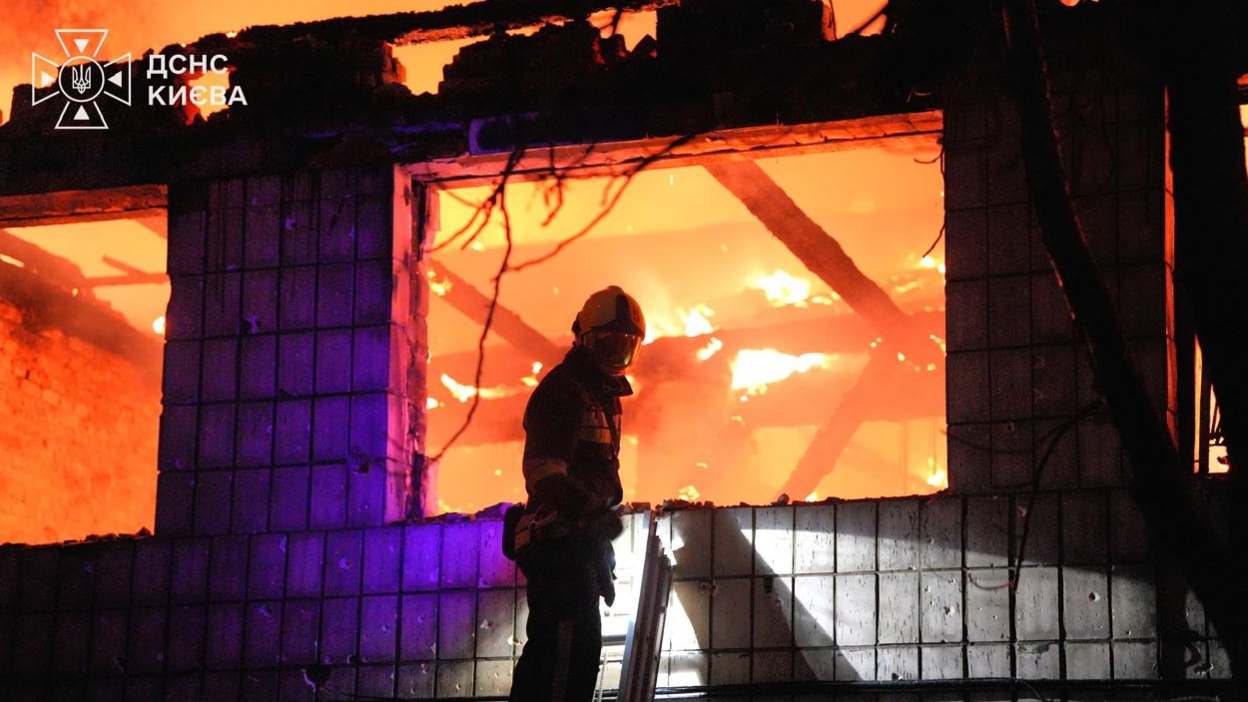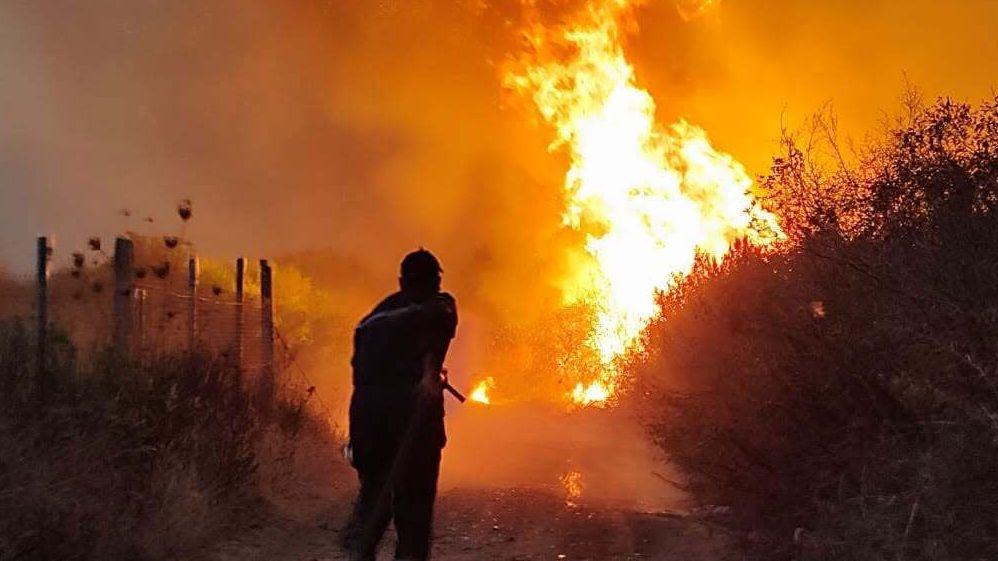
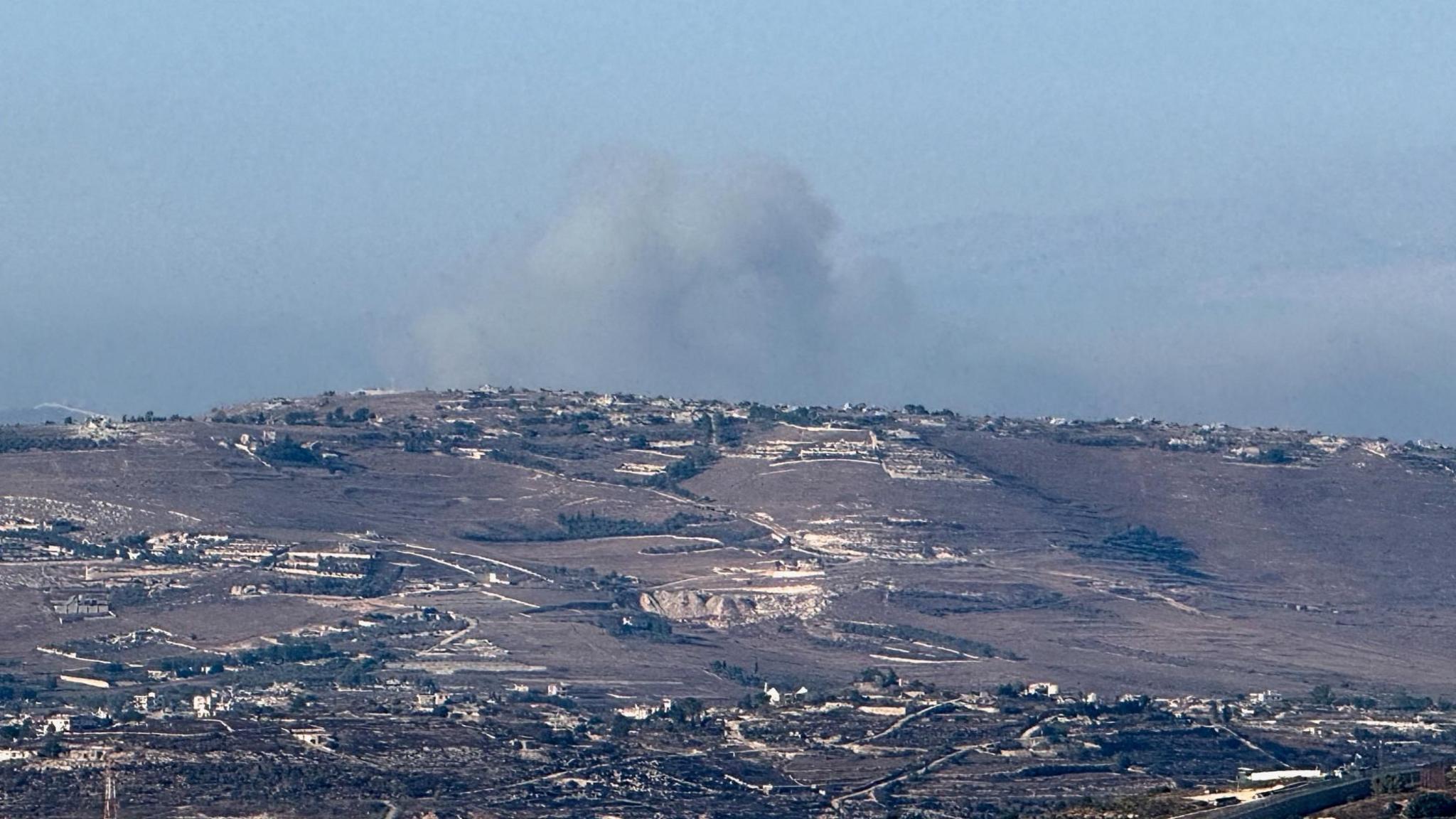
One person was killed and 12 others injured when a roof of a prayer hall was struck in the town of Tibnin, according to Lebanese media.
Israeli forces said the strike was retaliation for a “blatant violation of the ceasefire” by the Iran‑backed Hezbollah.
Family members in Mansouri were ordered to leave the town after four strikes on buildings and villas, a decision that followed the first evacuation warning in that area in more than a month.
Hezbollah has not commented on the attacks, while Israeli and Lebanese leaders are meeting in Rome to discuss the agreed trilateral framework for Israeli withdrawal and Hezbollah disarmament.
The framework was agreed in late June and is designed to see Israel gradually pull back from occupied Lebanese territory in exchange for the group’s dismantling of weapons.
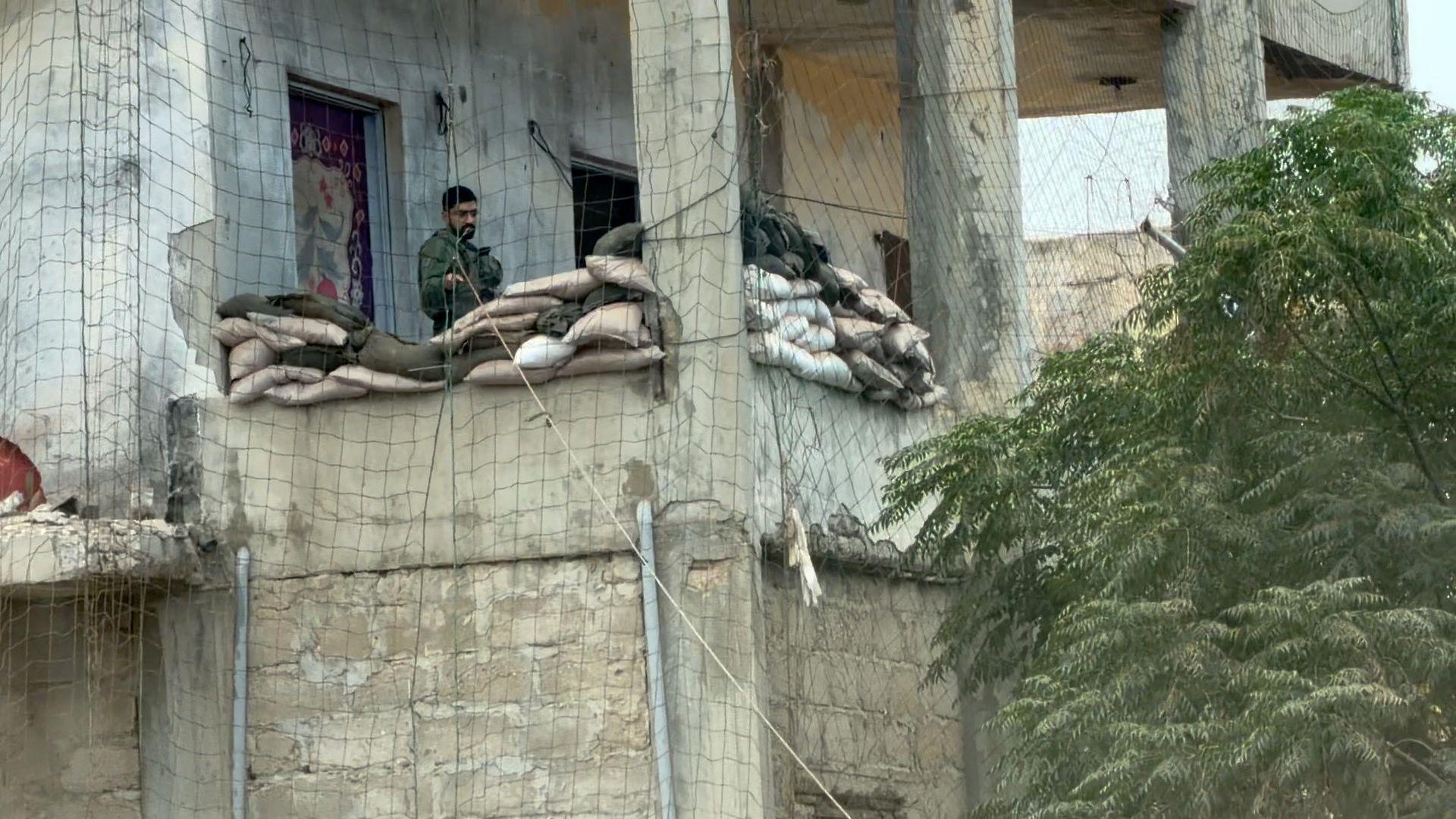
Lebanon’s army has begun deploying in a pilot zone after Israeli troops withdrew from the village of Zawtar al‑Gharbiyeh.
Hezbollah rejects the deal, arguing that linking Israeli withdrawal to its disarmament crosses “all red lines.”
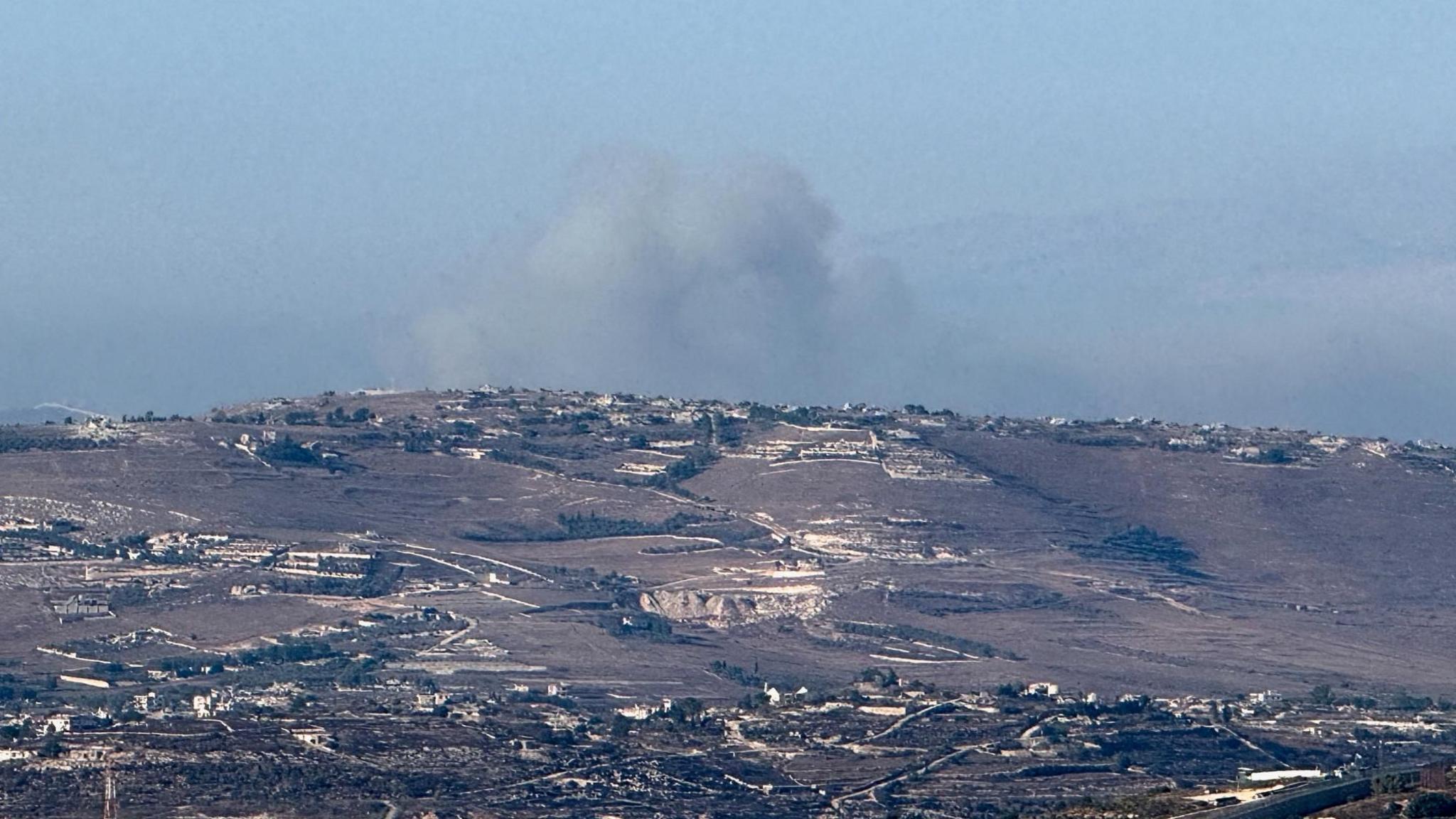
Prior to the strikes, Israeli forces announced they were carrying out “precise strikes” in southern Lebanon, and a spokesperson urged residents to evacuate ahead of “forceful action.”
An Israeli source said that displaced residents returned to Mansouri under the auspices of the Lebanese army, which had set up a checkpoint in the area.
The evacuation order marks the first such directive since 14 June, when residents of 29 towns were told to flee.
The mayor of Mansouri reported that the strikes damaged a neighborhood called Ghazaleh, prompting families to head toward Tyre.
Around 120 families had returned to Mansouri after the ceasefire on 19 June, but that number fell to only 40‑50 as attacks intensified.
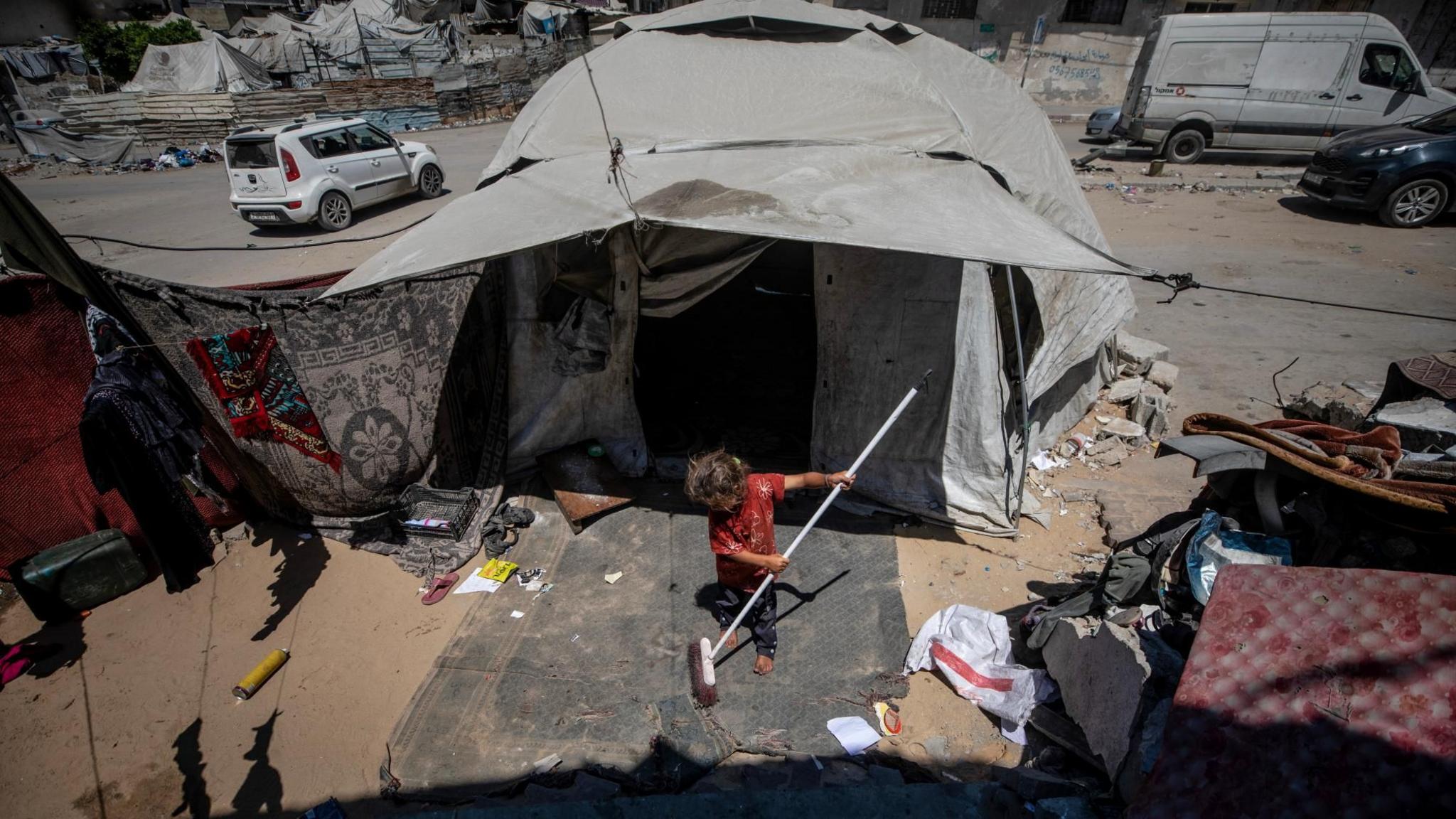
The UN humanitarian office notes that about 360,000 people remain displaced across Lebanon, including 26,000 in government shelters.
The wider conflict began on 2 March when Hezbollah fired rockets into Israel in retaliation for a strike that killed Iran’s supreme leader; Israel responded with airstrikes and a partial invasion of southern Lebanon.
Since the ceasefire, Lebanon’s health ministry counts 353 deaths on both sides, while Israeli authorities report 38 Israeli soldiers and four civilians killed in the border zone.