Deadly Nepal–Tibet Flash Floods: Relief, Rescue, and Rising Death Toll

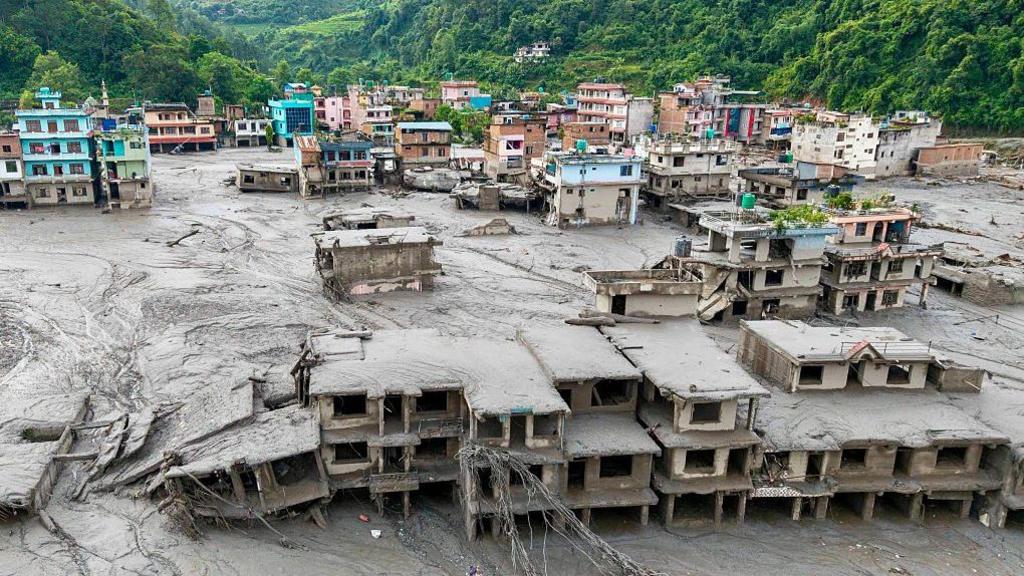
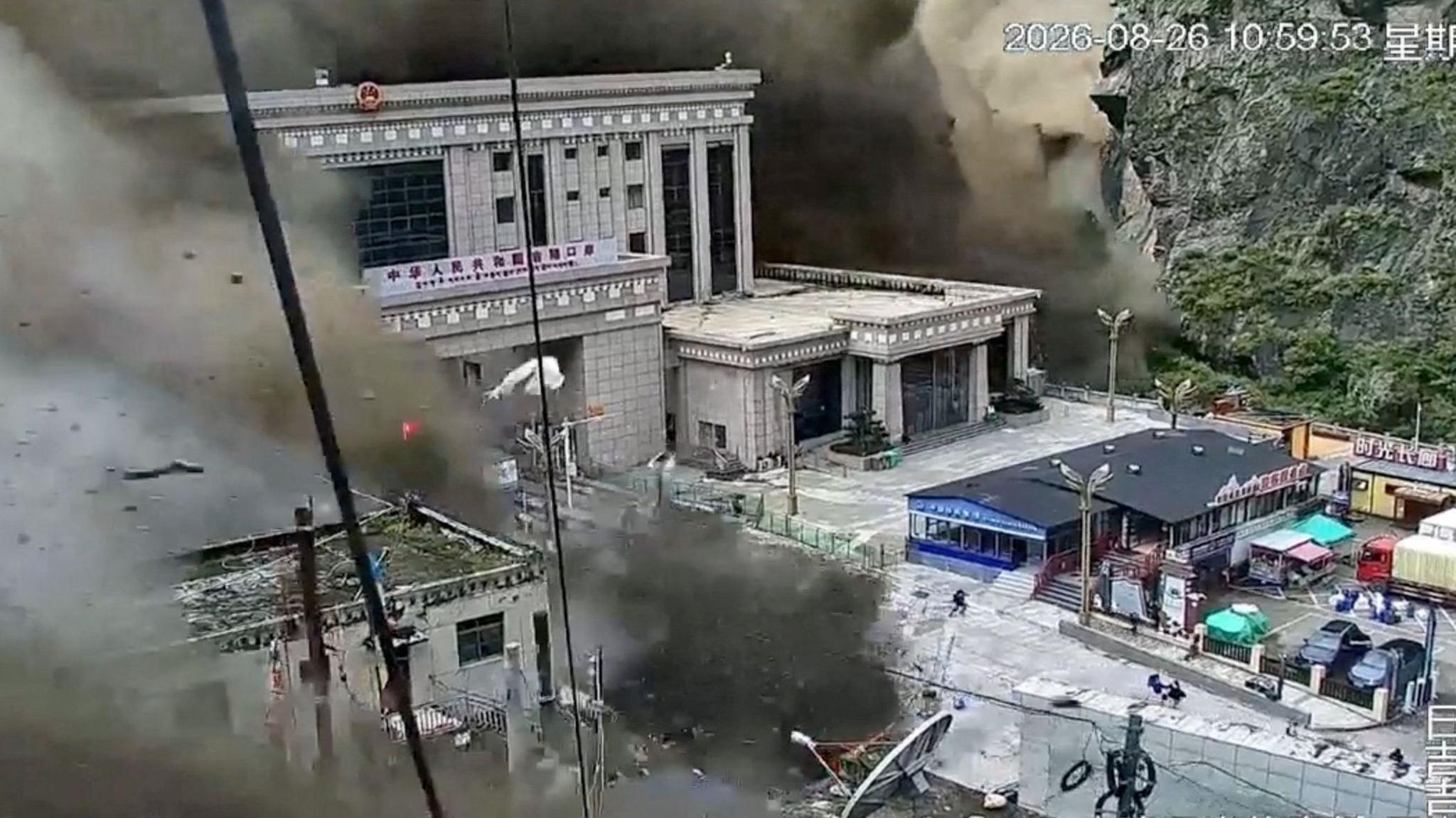
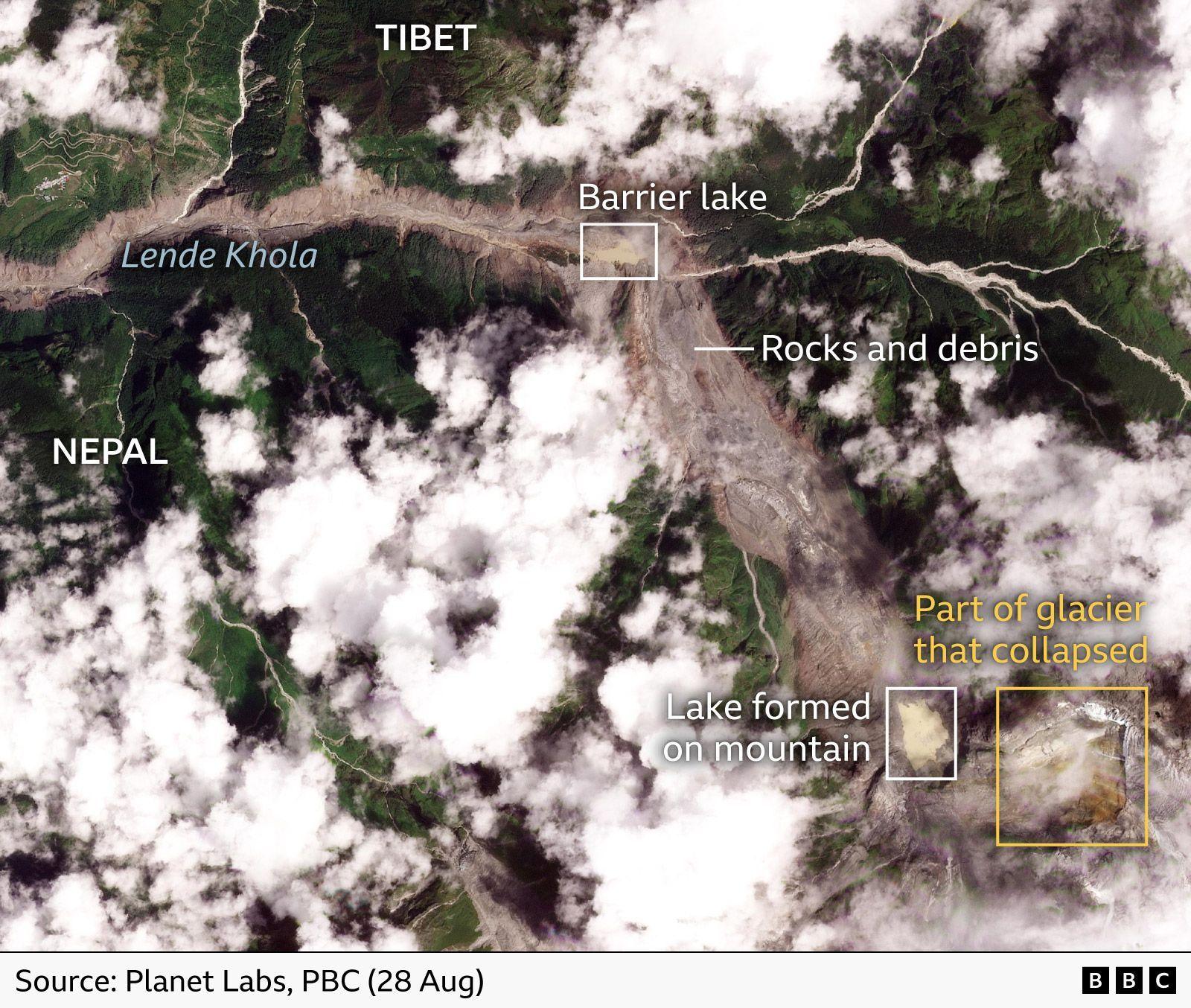
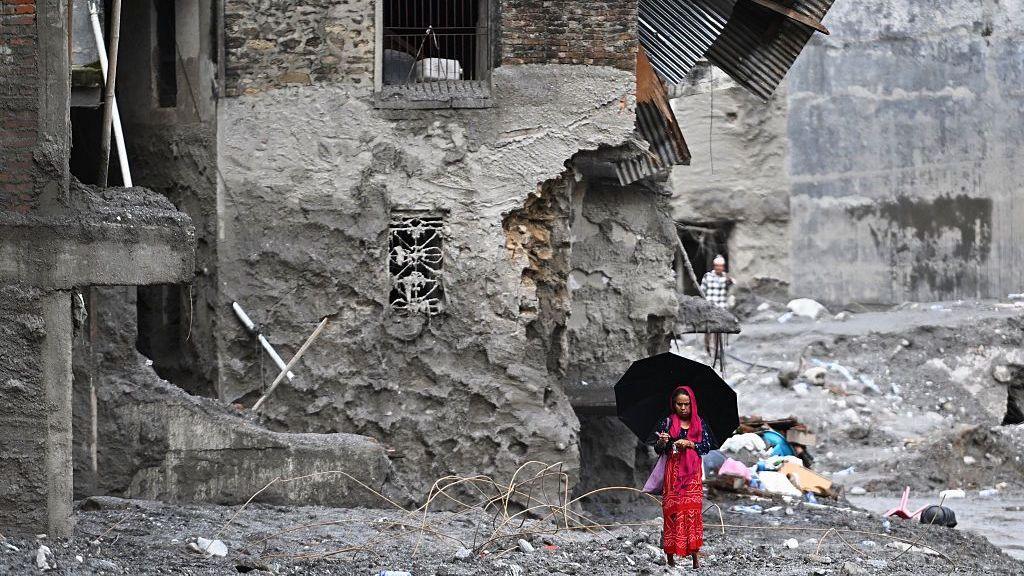
A catastrophic flash flood, likely spurred by a glacier collapse, swept across the Nepal‑Tibet border on 26 August 2026, wiping out villages and signalling a stark climate‑change warning. At least 1,200 people have died in Nepal, while more than 4,200 remain missing, including hundreds of foreigners from India, the UK, Australia, the US, and Malaysia.
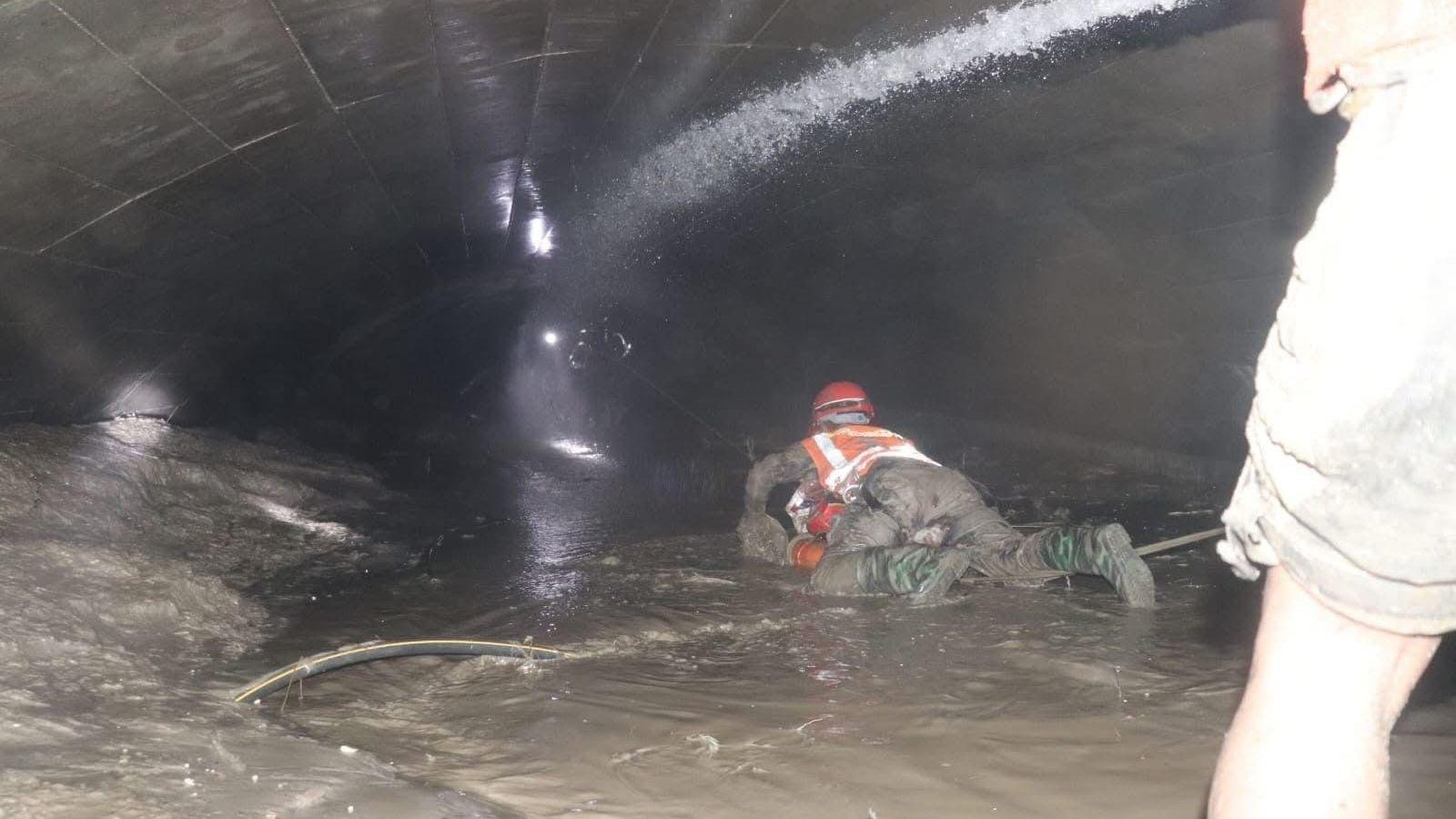
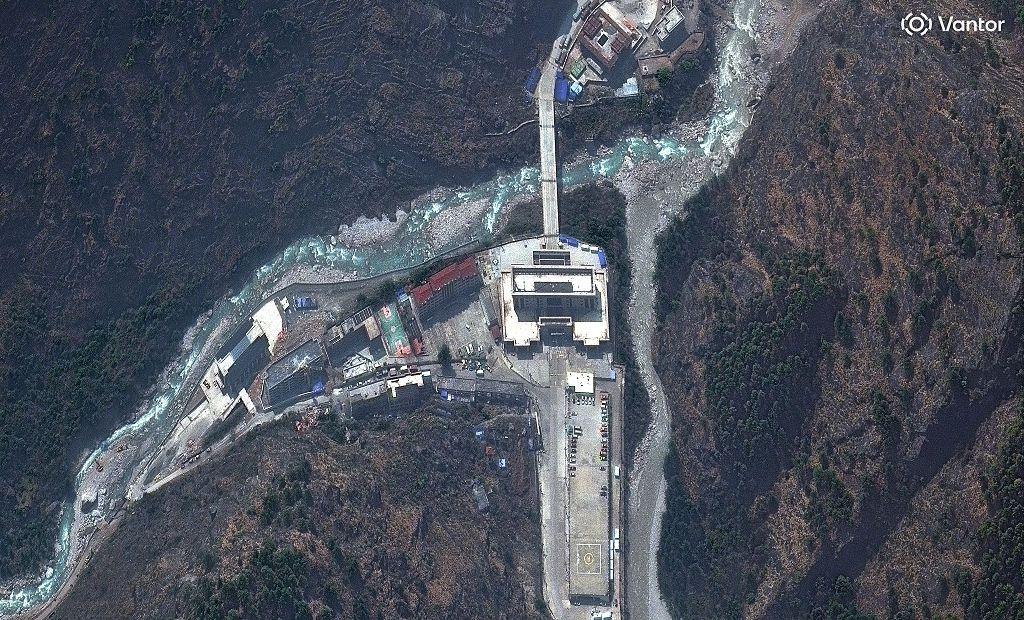
The UN’s Office for the Coordination of Humanitarian Affairs (OCHA) reports that rescuers are racing to clear over 40 destroyed bridges and are using drones to scan hard‑to‑reach areas on both sides of the border. Chinese and Indian authorities have built temporary bridges to open the Gyirong Port crossing, potentially speeding up the search for the 500+ missing in Tibet.
Infrastructure and Aid Challenges
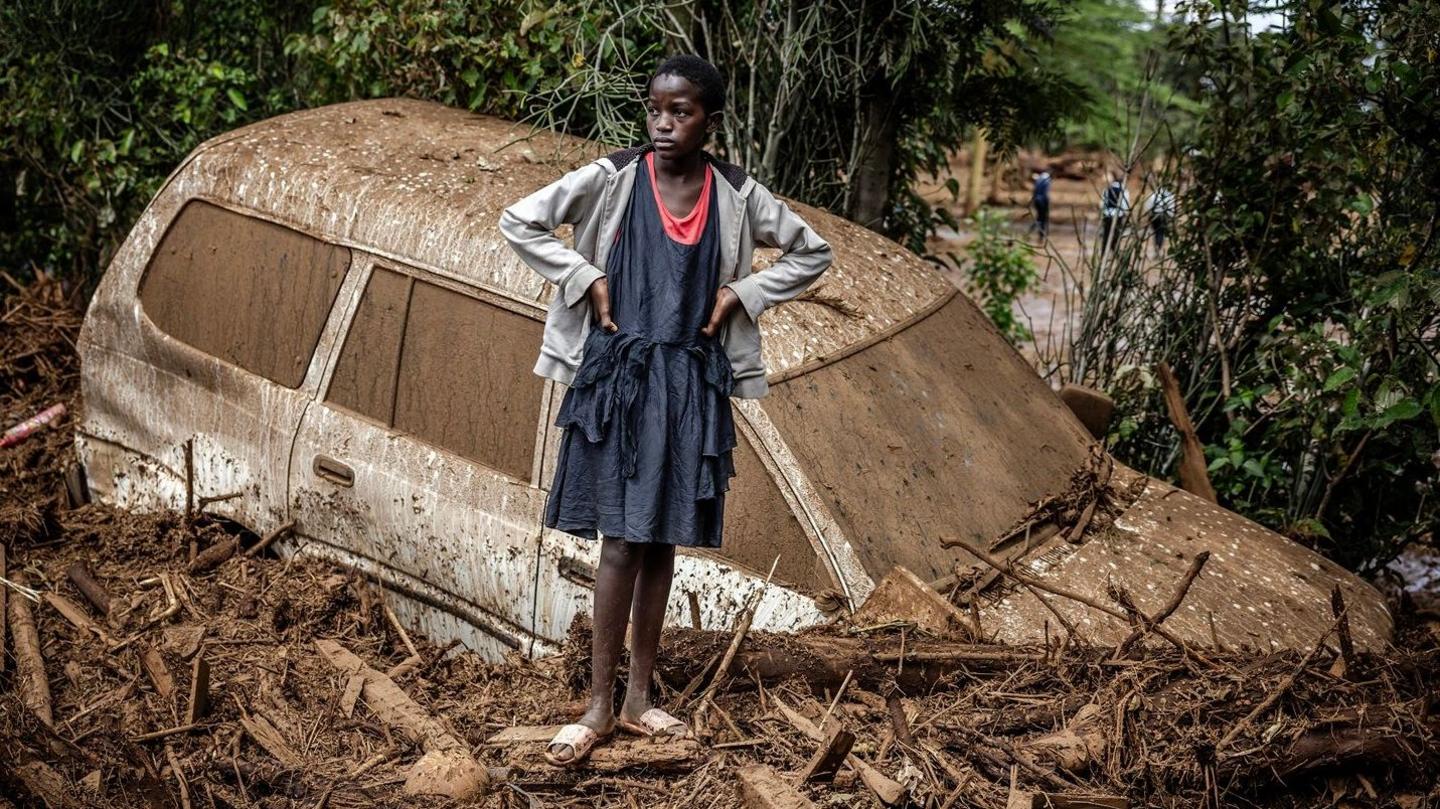
The floods disrupted 27 sites, leaving 3,500 people homeless—many in schools now damaged or unusable. Overcrowded shelters, contaminated water and damaged health facilities raise the risk of disease amid an active monsoon season. Army helicopter flights are now supplying fuel, electricity and supplies to the most isolated villages.
Government Response and International Appeal
Prime Minister Balendra Shah declared a three‑month disaster declaration in 15 affected areas, offering financial aid to victims’ families and funding for rescue and displacement operations. The Nepalese government and the UN have jointly launched a four‑month humanitarian flash appeal, urging global support to rebuild livelihoods and protect survivors.
Climate‑Change Context
Scientists cited melting ice and permafrost research, noting that the collapse was beyond predictable forecasts. Stimson Centre experts and Himalayan academic groups warn that progressive warming threatens more of the region’s glaciers, underscoring the need for urgent global mitigation and robust early‑warning systems.
As rescue teams push to find survivors, international aid flows, and hope that improved infrastructure can withstand future shocks, the tragedy has spotlighted the growing urgency of climate‑action dialogues.