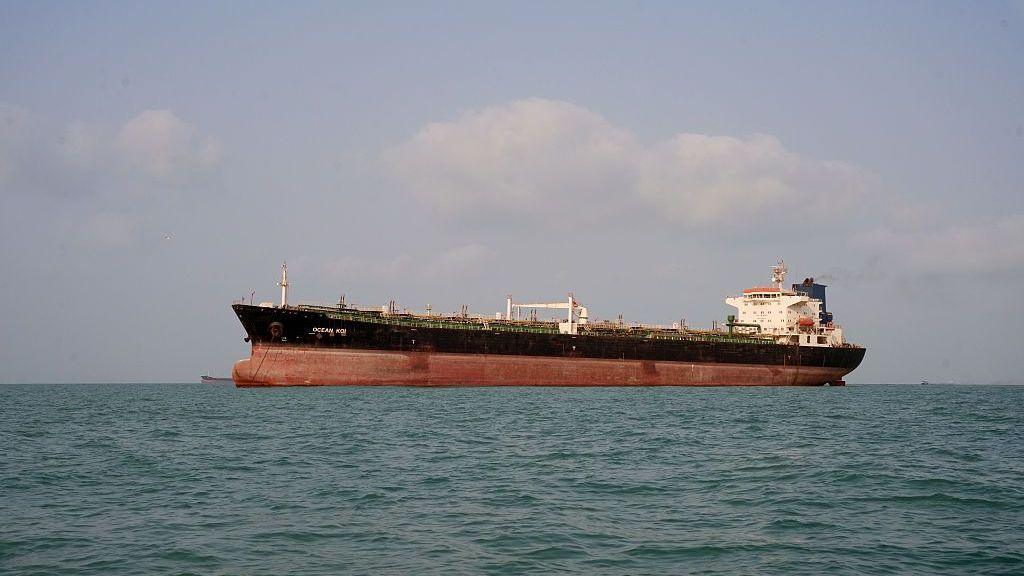
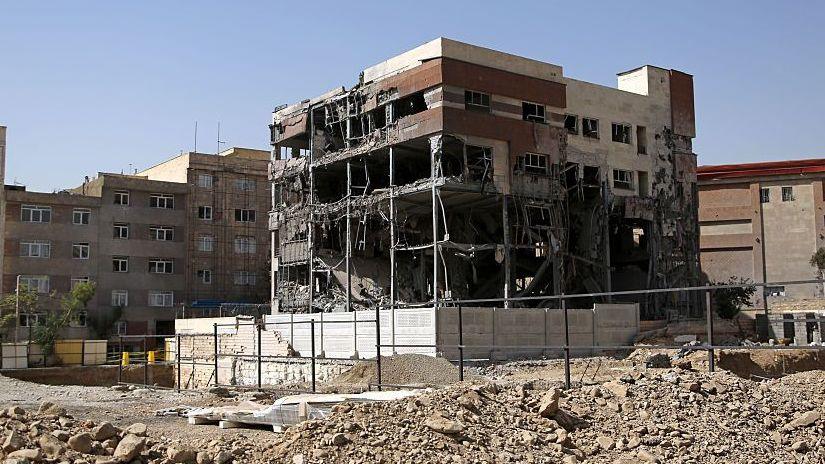
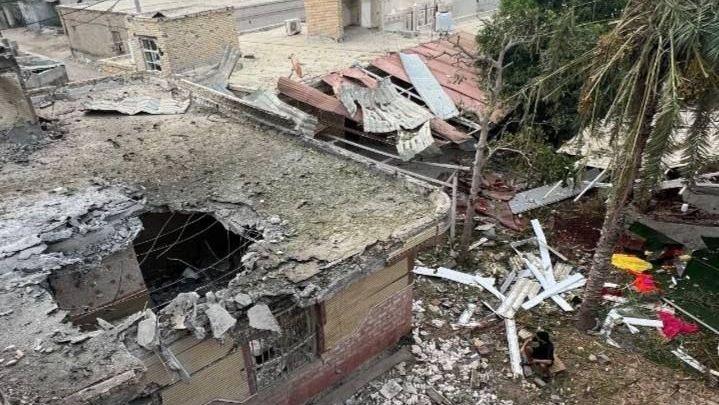
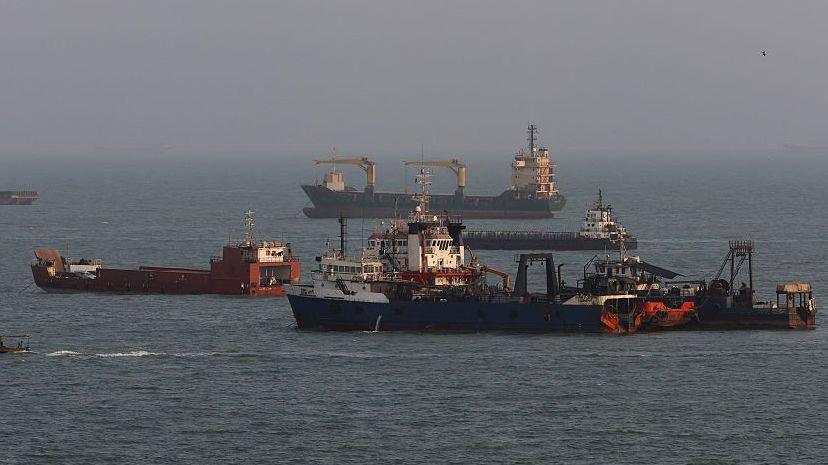
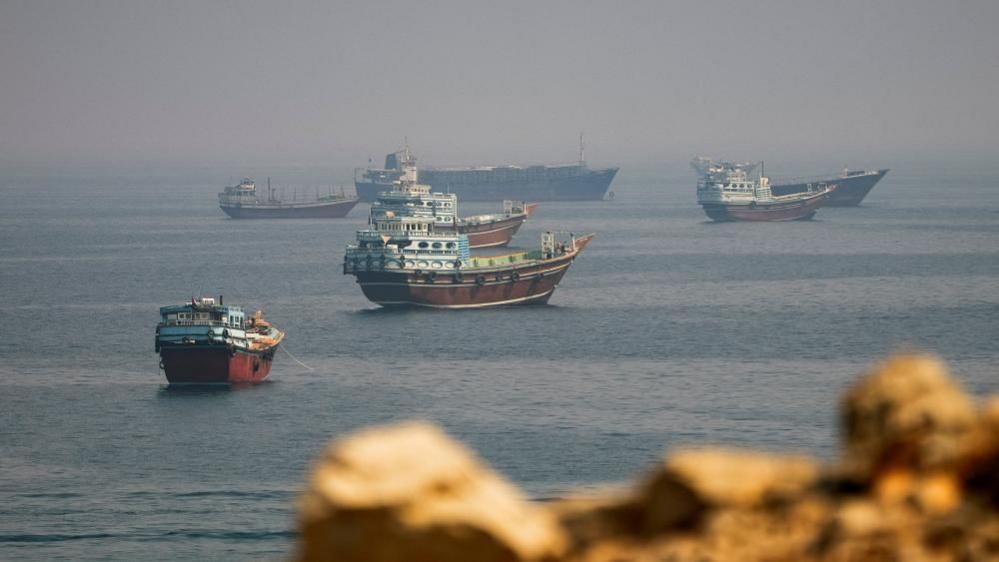
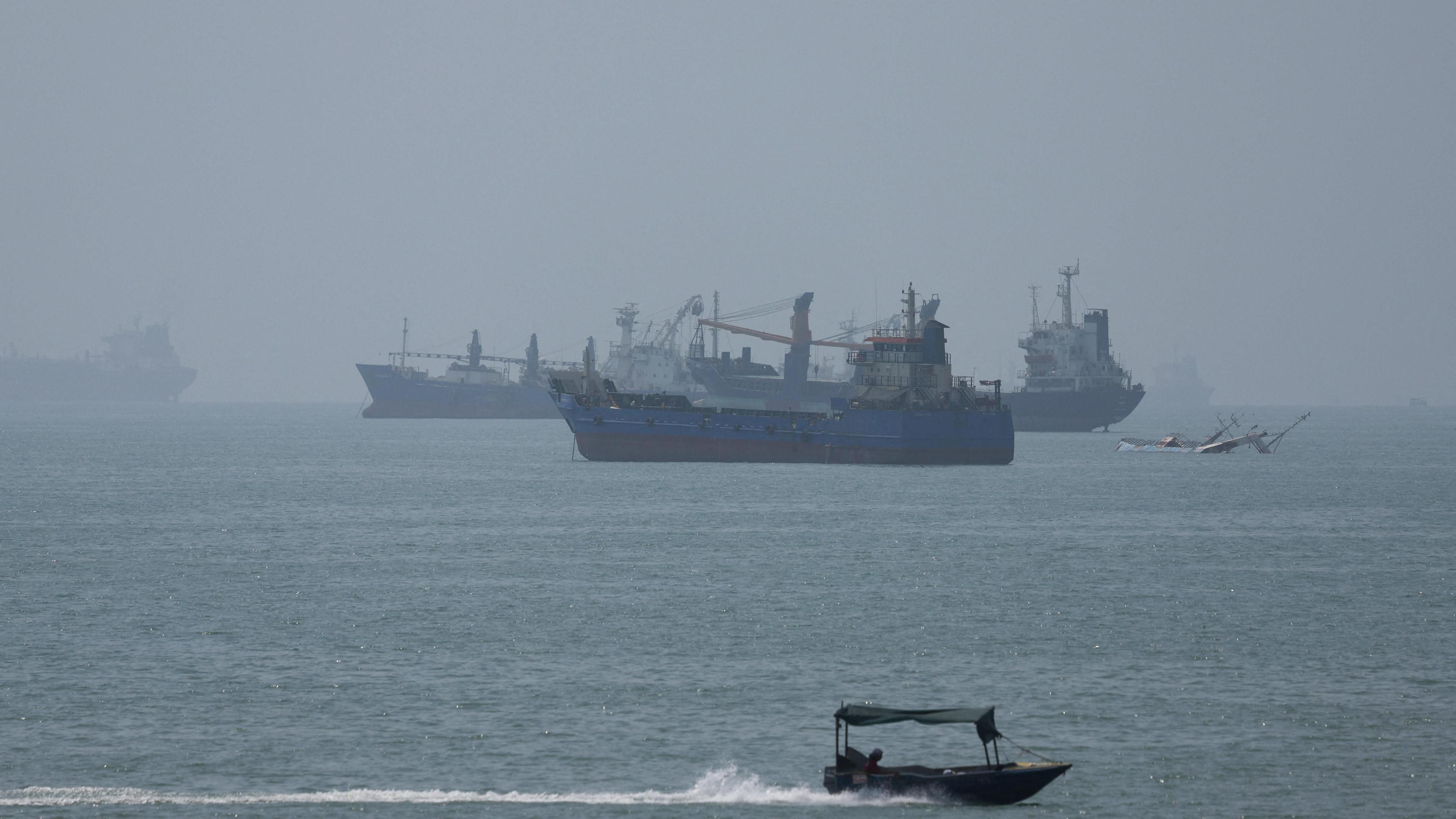
In the early hours of September 2, 2026, a U.S. missile reportedly struck a building hosting a wedding celebration in southern Iran, resulting in the deaths of four civilians, including a child, as reported by the Iranian Red Crescent. The strike was part of a broader pattern of U.S. retaliation against Iranian drone and missile attacks targeting American forces and commercial shipping in the Strait of Hormuz.
BBC Verify released post‑event footage captured by local residents. Using high‑resolution image analysis, the verification team identified the characteristic impact crater of a U.S. RIM‑174 Standard Extended Range Anti‑Air missile, a weapon typically deployed from U.S. Navy warships. Experts in munitions corroborated the visual findings, noting the presence of post‑explosion residue consistent with guided missile warheads rather than improvised explosives.
The U.S. military stated it was aware of the incident reports and reaffirmed that its strike operations target strategic objectives, not civilian gatherings. The Pentagon cited "recent attempted attacks" on American forces as the impetus for the operation, implying an exchange‑protection motive. Iran has not yet issued an official comment, but the Red Crescent’s death toll underscores the human cost of escalating hostilities.
This event illustrates the increasing importance of rapid, technology‑driven verification in geopolitical conflicts. Video forensics combined with expert analysis enables global news outlets to confirm claims in near real‑time, a process theoretically scalable through quantum‑powered image processing in the coming decades. As conflicts intensify, the convergence of tactical missile deployment, on‑the‑ground reporting, and advanced analytics will shape the narrative of modern warfare.