US‑Iran showdown: three experts weigh in on a likely stalemate
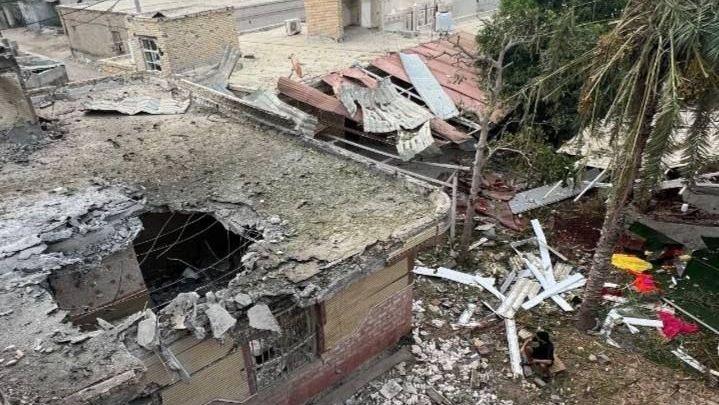
The clash between the United States and Iran remains an enduring geopolitical stalemate. No short‑term resolution looks forthcoming as the parties continue to launch strikes in a new phase that follows a sweeping economic blockade against Iranian trade.
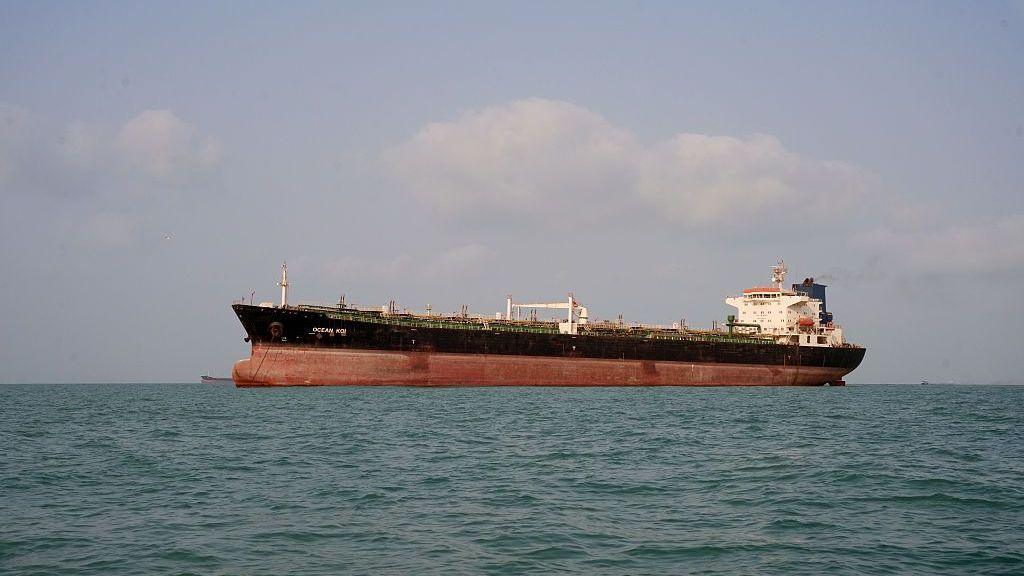
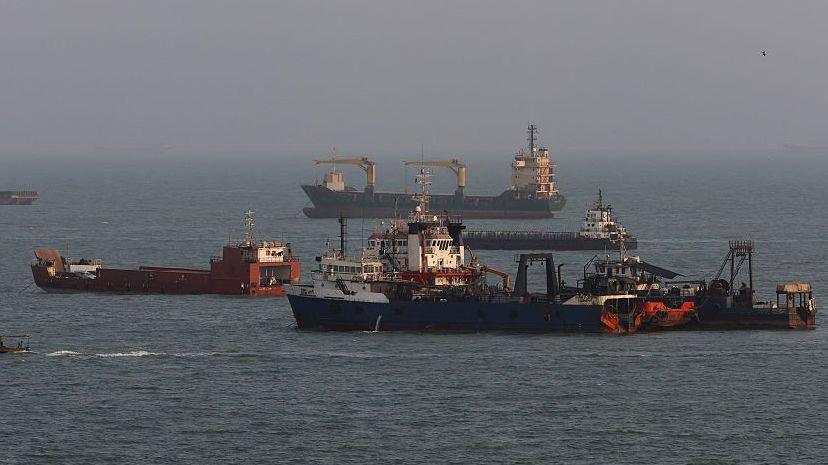
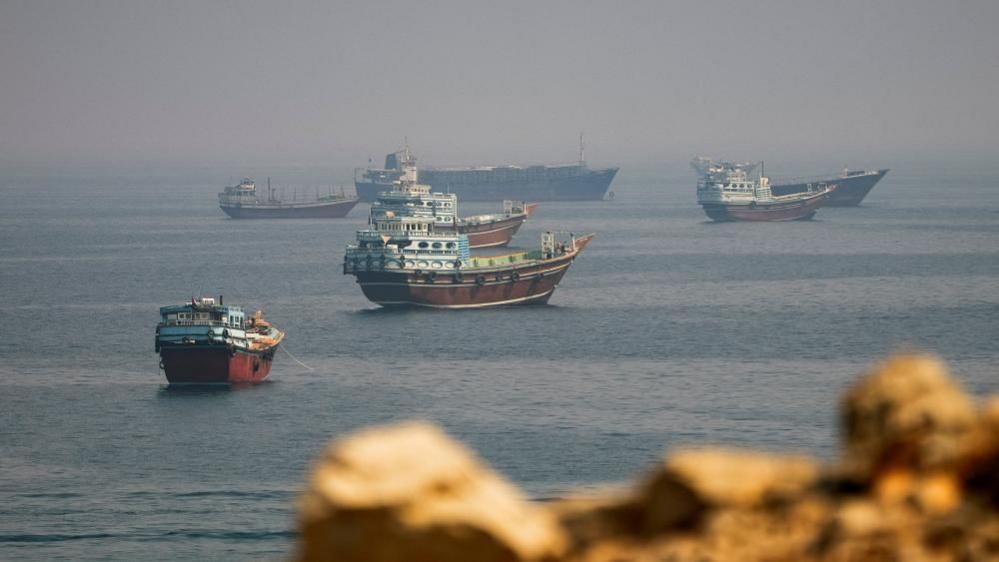
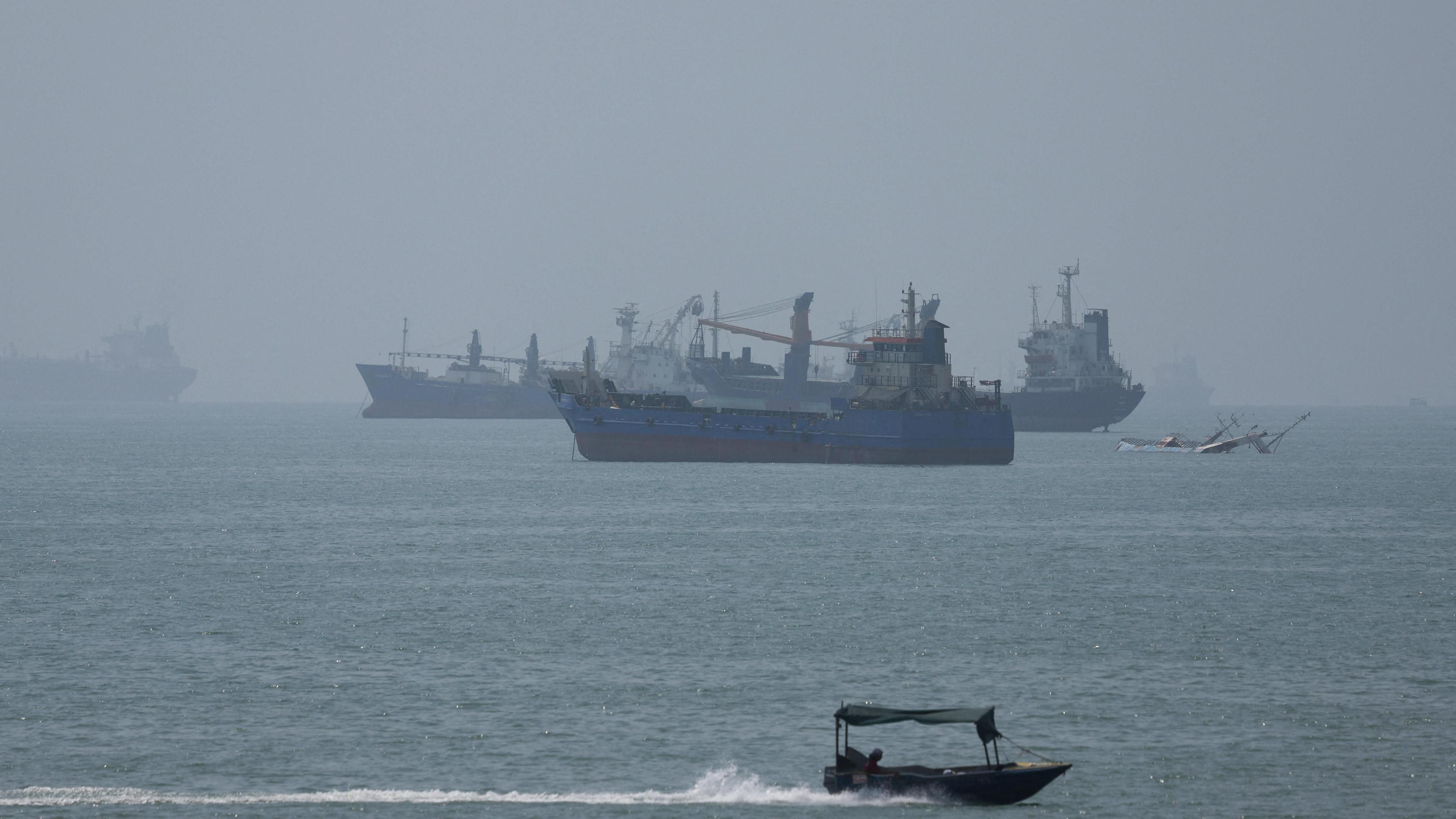
The primary aim of the blockade is to push Iran into peace talks and halt it from attacking key maritime corridors in the Strait of Hormuz. The shipping corridor has been effectively shut while the U.S. and Israel began the conflict last February.
The June memorandum of understanding that promised a permanent ceasefire has passed. The U.S.–Iran relationship has now entered its seventh month with repeated exchanges of force and rhetoric.
Below are three experts outlining how the situation could evolve.
US hopes military and economic pressure will weaken Iran
Jason Campbell, senior fellow at the Middle East Institute, says the United States has re‑evaluated its aims and remains in a state of stasis. He continues that the administration believes a blockade will sustain pressure while strategic strikes keep Iran’s capabilities in check.
Campbell notes that the US hopes new sanctions will push the Iranian regime to negotiate from a weaker position while preventing a global oil‑price crash. He suggests that the Iranian hardliners will still demand high‑cost terms, a scenario difficult for the US to accept.
Iran will wait for US concessions
Dr Aniseh Bassiri Tabrizi of Chatham House says Iran is preparing for a prolonged economic squeeze but remains unresponsive to US pressure. She believes Tehran will soon act proportionally to counter ongoing attacks yet will not yield without clear concessions.
Tabrizi fears that increased sanctions will only strain Iran’s already shaky economy, but the capital city’s protests also point to deeper structural problems that could be exacerbated.
US knows what to do – go back to the ceasefire deal
Nicholas Hopton of the Royal United Services Institute argues that the latest military escalation cannot force capitulation. He stresses that economic pressure alone is unlikely to break Iran because global powers such as China and Russia do not support unilateral sanctions.
Hopton sees the optimal exit strategy as a return to the June memorandum. He believes that lifting sanctions would weaken the Revolutionary Guard Council over time, gradually shifting Iran toward a more moderate regime while reassuring global markets.
He warns that the current messy situation is harmful to all parties and takes more time and strategic patience than the U.S. and its allies possess.