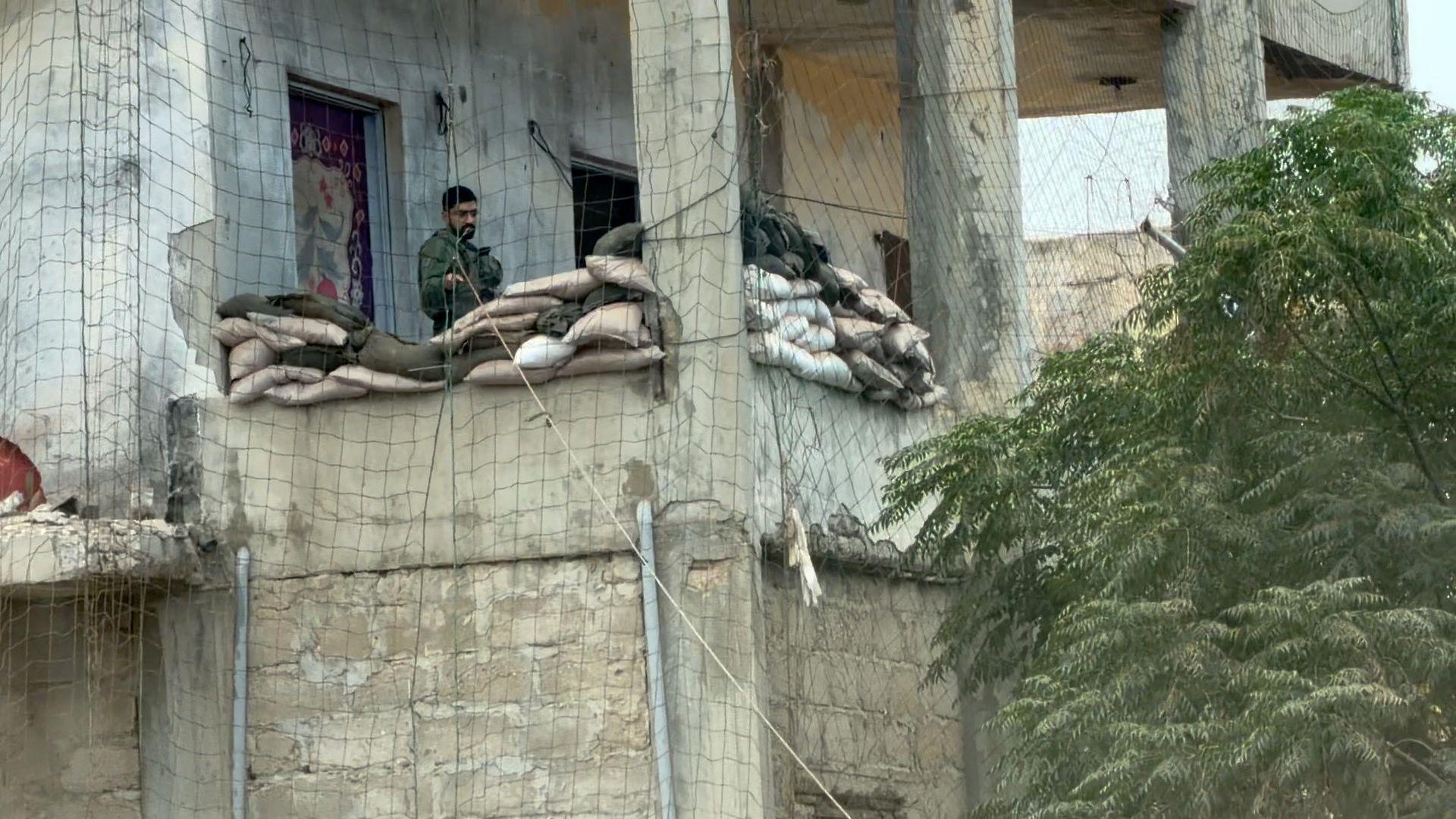
 Video footage taken by the BBC shows an Israeli soldier stationed at a checkpoint inside a former residential building near the UNIFIL headquarters in Naqoura. The checkpoint represents the last visible mark of the Lebanese national army on the border town.
Into the Heartland of Conflict
Driving along the desolate stretch of the Mediterranean coast, the BBC crew followed a convoy of Finnish UN soldiers past deserted villages and scorched fields. A dozen Israeli flags marked the point where the border with Israel became an occupied zone. The convoy’s route was guarded by a deconfliction mechanism to prevent clashes with Israeli forces fiercely protecting the area.
New Military Bases and a Growing Security Zone
Israeli officials say the so‑called security zone is essential to protect northern communities from Hezbollah rockets and possible future invasion. According to UNIFIL, four new bases have been founded in the occupied territories, raising the total to nine. The Israeli military also built service roads and fortified structures 10 km from the border, despite a ceasefire declared in June.
Continuous Drone Patrols and the Sounds of War
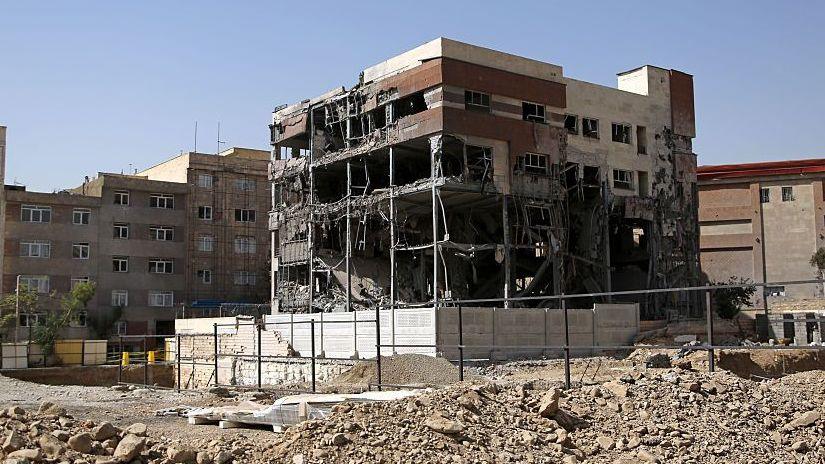
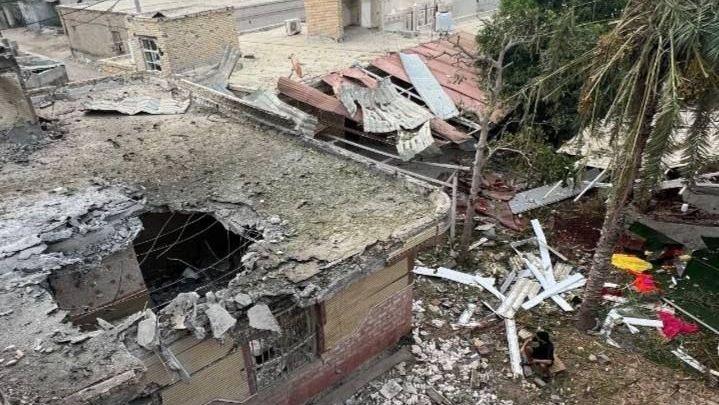
helicopters and aerial reconnaissance drones hovered over the border, while sporadic explosions—some from demolitions of local homes—filled the air. In several sections, houses have been covered with netting to guard them against the explosive drones used by Hezbollah.
Human Cost and Legal Controversies
Hundreds of thousands of Lebanese civilians remain displaced, with many unable to return to their villages. Human‑rights groups argue that the demolition and destruction of civilian infrastructure may amount to a war crime. Israeli authorities, however, maintain that their operations are lawful and aimed at neutralising Hezbollah threats.
Stalled Negotiations on Hezbollah Disarmament
Israel has conditioned a potential withdrawal on the disarmament of Hezbollah, a move the Lebanese government can neither enforce nor gladly accept. The Lebanese intelligence ministry reports that the Lebanese army has recorded more than 5,000 violations of the ceasefire, including air strikes, drone attacks and incursions beyond the so‑called Yellow Line.
Looking Ahead
With the Israeli election looming and the broader regional tension still palpable, the “pilot zones” framework remains dead in the water. Analysts warn that the situation may devolve into a prolonged occupation similar to Gaza, with Israelis entrenching themselves and Lebanese civilians struggling to return home.