In the early morning of August 30, 2026, a head teacher in Nuwakot district, Nepal, saved hundreds of students from flooding that would threaten much of the country.
The school’s principal, Rajendra Dawadi, told the BBC that at 09:10 local time, he received four monitoring alerts on the phone about a sudden rise in river level. Each call came consecutively from a parent, a mountain guide, a local trader and a nearby weather office.
“If we didn’t make a quick decision, if it was 10 minutes later, we would all be trapped in the river,” Dawadi says. Turning emergency signs to “evacuate” and shouting orders to his 900‑student cohort, he made sure every boy and girl ran towards higher ground. He also forced every bus full of children to turn back and head toward safe routes instead of walking along the river.
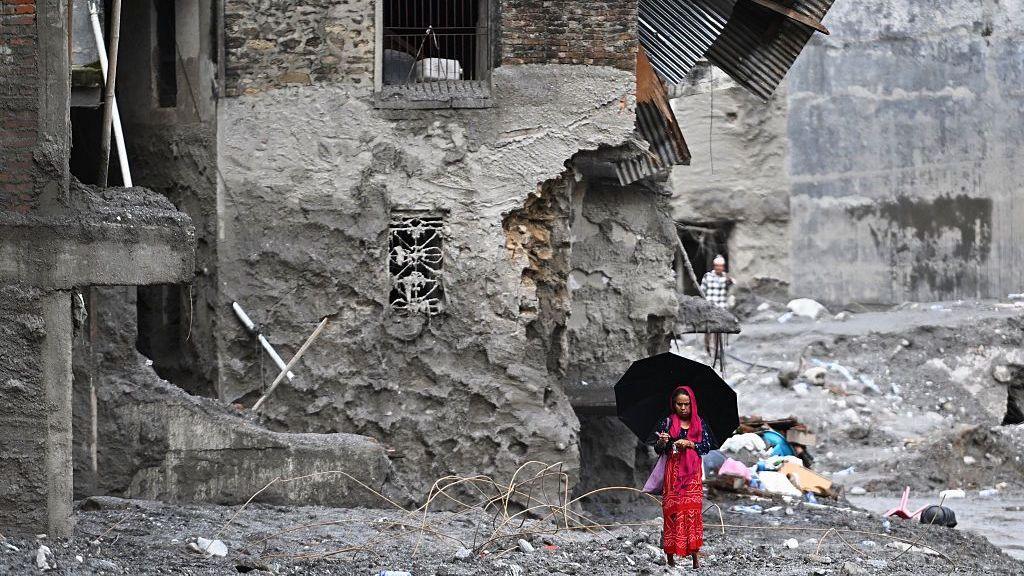
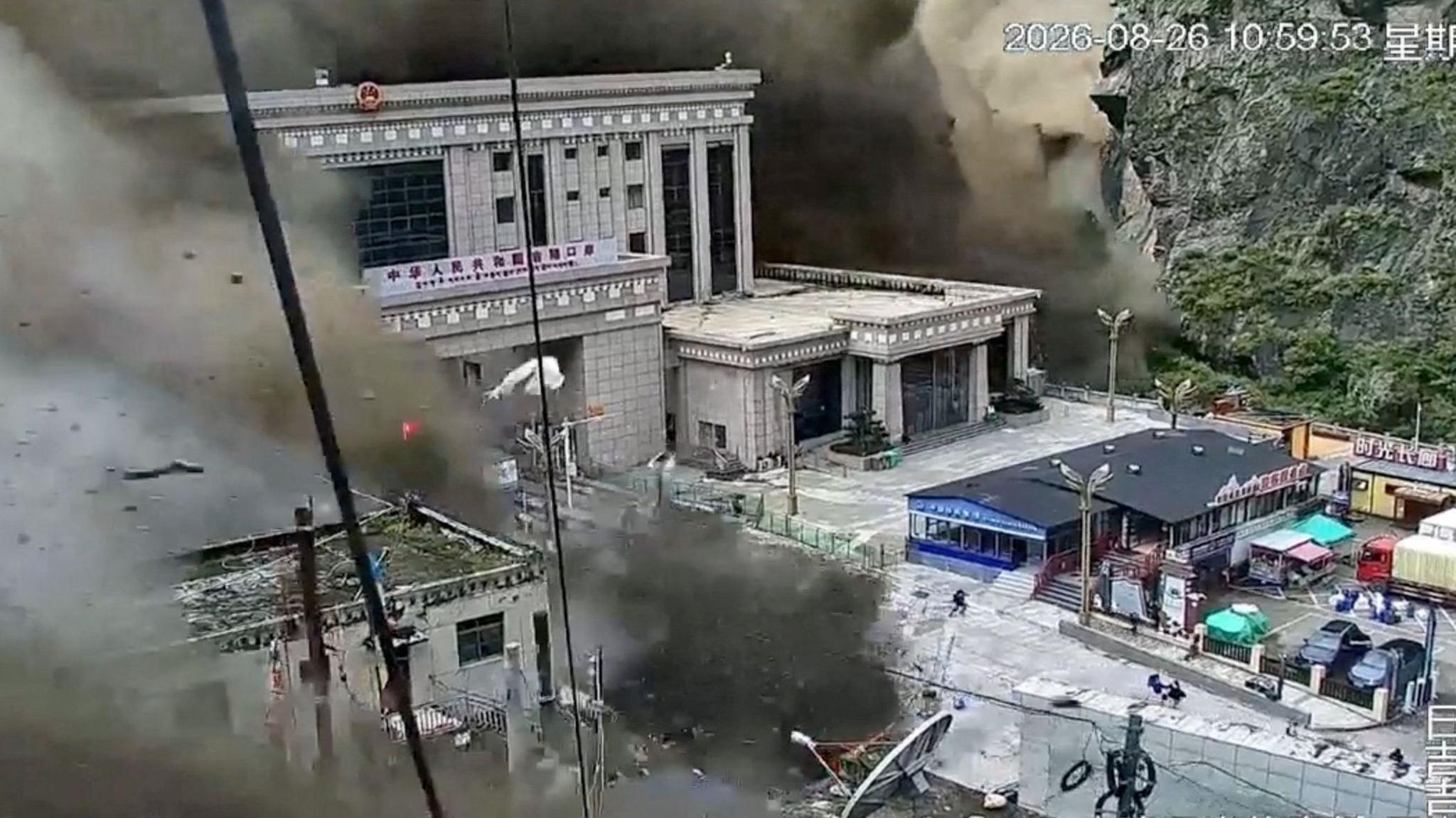
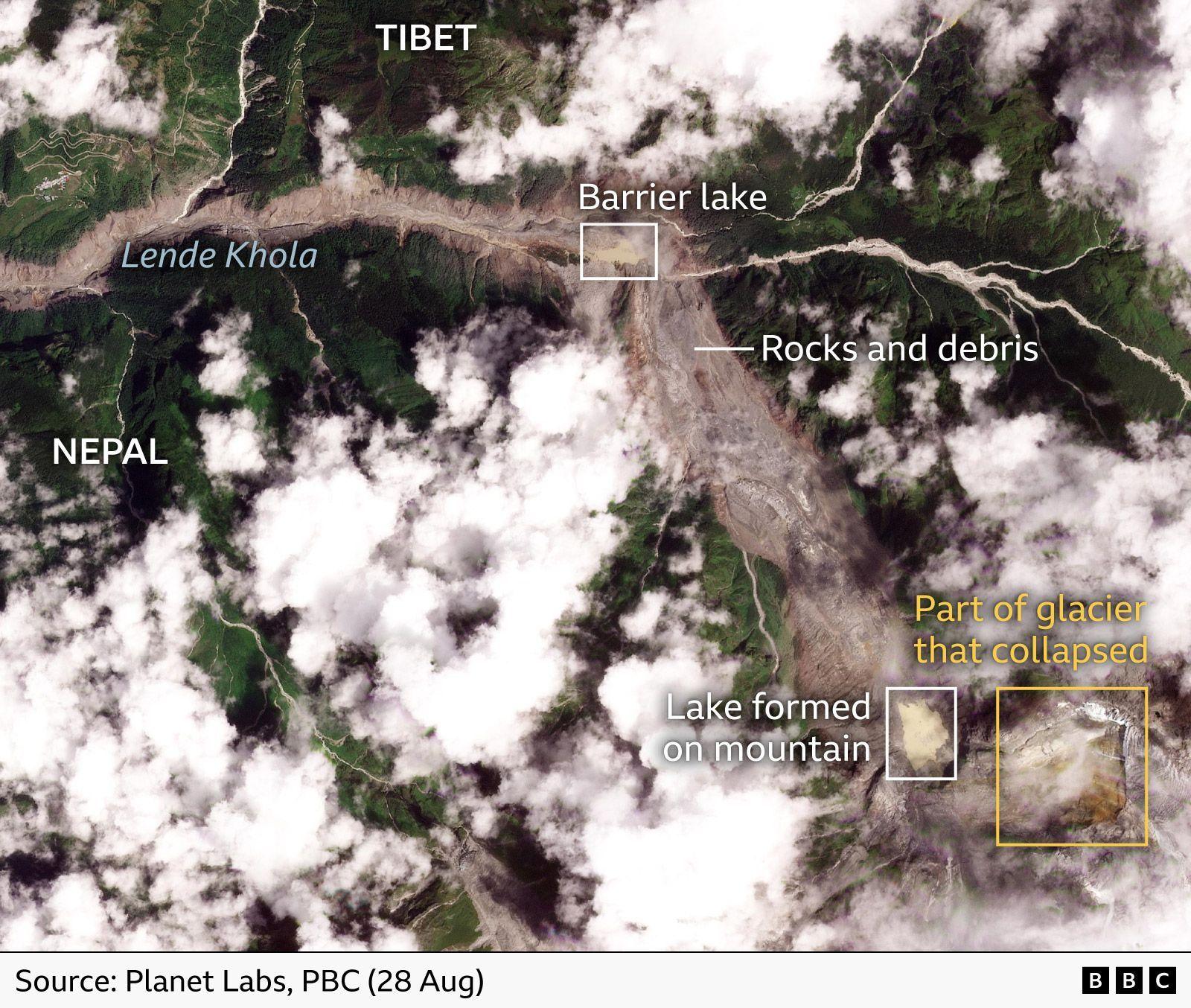
In the next ten minutes, the water rushed in, flooding the school building, surrounding marketplace and many of the hostel structures located less than 100 metres from the riverbanks. The flooding destroyed more than 250 schools across the region and left at least 794 people dead.
Yunisha Amatya, 16, recalls the instant she and her friends sprinted uphill, pushing through debris and using a narrow ladder from the school’s rear side. “I could not walk fast, but my friends helped me climb uphill. We escaped through a narrow ladder from the backside of the school. Within no time, the bazaar was swept away in front of my eyes,” she says.
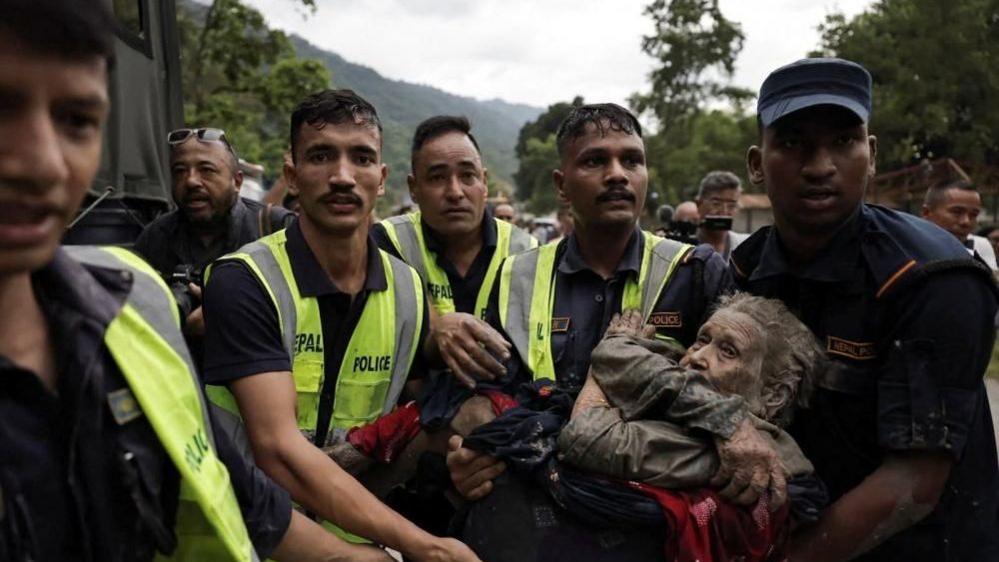
After the flood, students and teachers began to run for the next village. For two nights, many lived in dirt and debris, waiting for rescue. Air‑lift operations eventually brought the principal and students home safely.
Parents around the world are still grieving for missing relatives, but the story remains a poignant reminder of the power of swift action and the need for better warning systems.