In brief
BBC footage taken inside the occupied zone reveals Israeli soldiers consolidating their presence and demolishing homes in the heartland of Lebanon’s Shia community. A UN convoy, escorted by Finnish troops, moved people in Christian villages that were spared during fighting, but now finds the area cut off from the rest of the country. Human rights groups argue the demolition is a war crime that prevents displaced families from return. Negotiations over a “pilot zone” withdrawal remain stalled, leaving Lebanese civilians in a territory that increasingly resembles a Gaza‑style occupation.
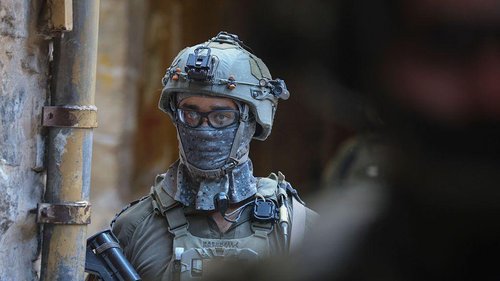
BBC footage taken inside the occupied zone shows Israeli soldiers consolidating their positions and demolishing homes in the heartland of Lebanon’s Shia community.
A Unifil convoy escorted by Finnish troops moved people to and from Christian villages, the only areas spared by the war—yet the Israeli presence cuts these communities off from the rest of the country.
The Israeli Defence Minister said the military was preparing for a long‑term presence, calling the zone a “security area” against rockets and drones launched by Hezbollah.
Human rights groups argue that the demolitions, carried out just after a ceasefire, amount to a war crime that prevents displaced families from returning.
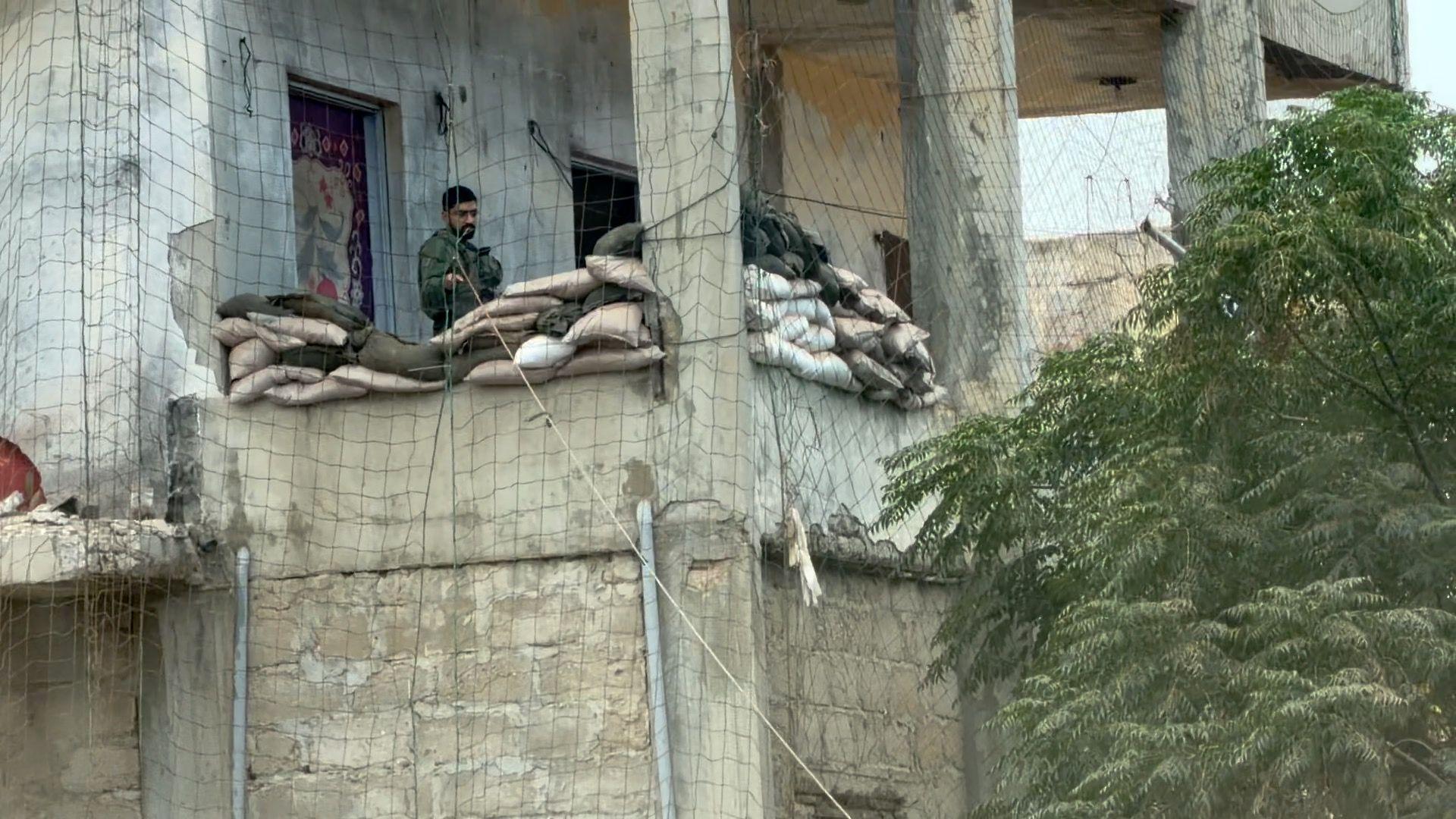
Israel has set up eleven bases in the occupied strip, a significant increase from the nine used earlier this year, and fortified its camps with concrete walls and netting over houses to protect against Hezbollah drones.
The Lebanese intelligence report cites over 5,000 breaches of a Tehran‑US ceasefire, including air strikes and continuous incursions into Lebanese territory beyond the “yellow line.”
Negotiations over a “pilot zone” withdrawal remain stalled; Hezbollah has rejected the proposal, demanding a full Israeli pull‑out before discussing its own disarmament.
Until political progress is made, Lebanese families are stranded in an arena that increasingly looks like a Gaza‑style occupation, with civilians caught between military objectives and international law.