In brief
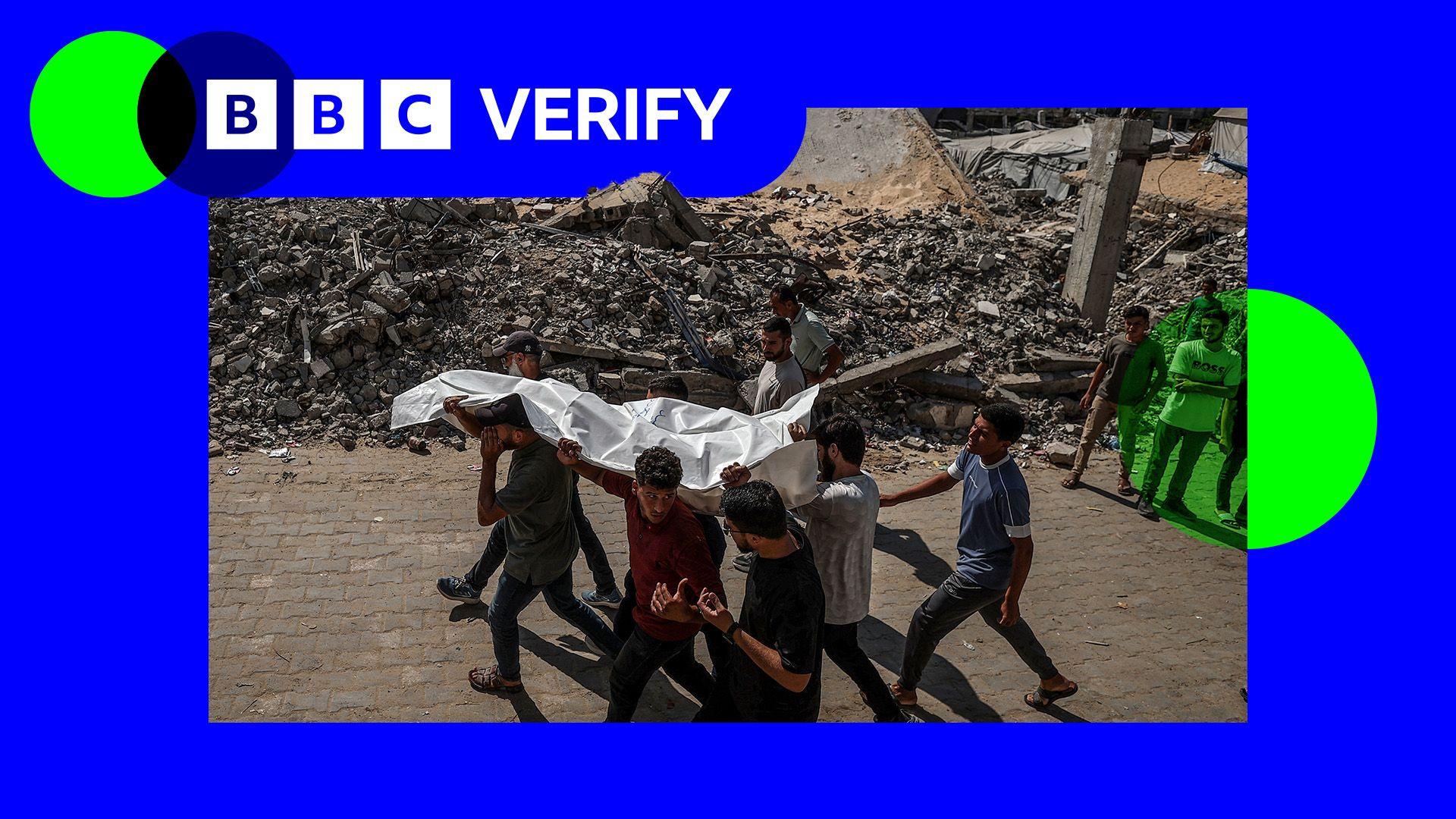
The Hamas‑run Ministry of Health reports over 1,300 Palestinians dead in Gaza since the ceasefire on 10 October, including 301 children. Israeli air and drone strikes continue weekly, targeting civilian shelters and religious sites, while the IDF claims to focus on Hamas combatants. UN, UNICEF, and independent trackers corroborate high casualty figures, noting 300+ child deaths and frequent attacks on aid workers. The ceasefire agreement’s spirit clashes with brutal reality, raising concerns over international enforcement. Experts warn that unchecked civilian harm undermines peace prospects.
The Hamas‑run Ministry of Health reports more than 1,300 Palestinians have died in Gaza since the ceasefire on 10 October, including 301 children, and the death toll topped 900 in 2026 alone. These figures come despite an agreement that pledged a halt to all military operations, including aerial bombardment, as part of President Donald Trump’s 20‑point peace plan.
The Ministry’s data lists every casualty with name, age and ID number, allowing independent researchers—such as Airwars—to cross‑check fatalities. Their findings indicate over 60 deadly incidents in July alone, marking the highest monthly toll since the ceasefire. Meanwhile, the IDF claims to target Hamas commanders and has registered only five fatalities among its soldiers since the agreement.
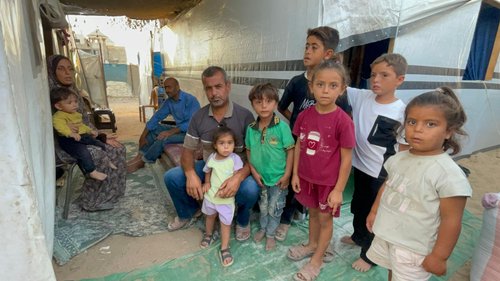
UNICEF reports more than 300 children killed, labeling the number “absurd and devastating.” The agency also logged dozens of casualties among its workers; UN contractors were shot in April by Israeli fire near a water filling point, a claim the IDF disputes as an act by “suspects approaching” the Yellow Line.
High‑profile strikes continue: a beachfront café in Gaza City was shelled on 18 August, killing six, and a police headquarters in al‑Tuffah was hit the following day, killing nine, including a 13‑year‑old. In July, an Israeli drone strike on the funeral procession of a Hamas operative in Nuseirat killed seven and injured 22. Such incidents underscore the gap between the ceasefire’s rhetoric and its on‑ground enforcement.
Experts from Every Casualty Counts and other monitoring groups warn that the region’s high monthly death toll, roughly double what was recorded pre‑war, signals a persistent humanitarian crisis. They stress that continued civilian harm will impede any sustainable peace agreement.
The British media’s latest coverage highlights that the ceasefire is “in name only”: a recurring daily barrage against Gaza, the IDF’s assertion of precision and the UN’s documentation of widespread civilian casualties form a stark clash of narratives. This stark reality threatens to derail international diplomatic outreach aimed at pausing hostilities and securing a long‑term ceasefire.