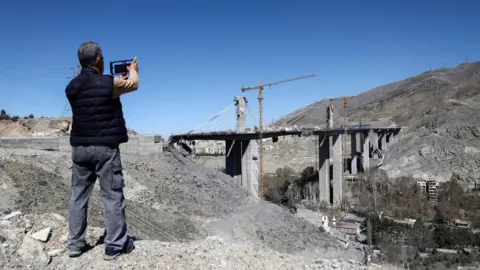
In a recent escalation of military aggression, a US airstrike on the B1 bridge in Karaj, Iran, has resulted in significant civilian casualties, raising fears and concerns among the Iranian populace. Reports indicate that the strike killed eight individuals and injured nearly 100, primarily targeting picnickers celebrating the Nowruz holiday.
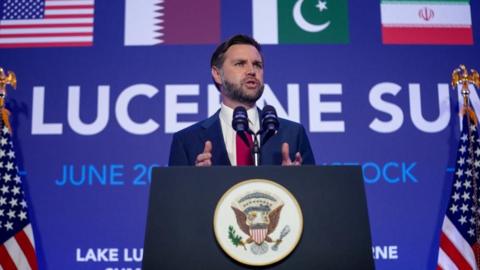
US President Trump's warning to Iran of further strikes on critical infrastructure has heightened the anxiety among citizens. Trump stated on his Truth Social account, Our Military, the greatest and most powerful (by far!) anywhere in the World, hasn't even started destroying what's left in Iran. He emphasized that the new regime must act quickly to meet US demands.
Iranian officials and civilians have decried the attack as a blatant violation of international norms. Iranian Foreign Minister Abbas Araghchi responded to Trump's threats, asserting that such strikes on civilian structures would not coerce Iranians into submission, proclaiming them emblematic of an enemy's moral collapse.
Amidst an internet blackout, some citizens have managed to communicate their concerns via satellite connections. A young woman from Tehran expressed her despair, feeling helpless in the face of external threats, while others echoed the sentiment of loss and helplessness as their country is gradually being destroyed.
The response from Iranians varies, with some expressing surprise at the targeting of a bridge, while others support the notion that such strikes may signify broader objectives aimed at undermining Iran's sovereignty. Pro-establishment voices on social media have called for retaliation against US interests in the region, highlighting a growing sentiment of resistance amidst the chaos of war.
This evolving situation remains fragile, with casualties rising and fears of more extensive military action escalating amid the turmoil.