Abiy Ahmed Re‑elected Amid Rising Tensions in Ethiopia
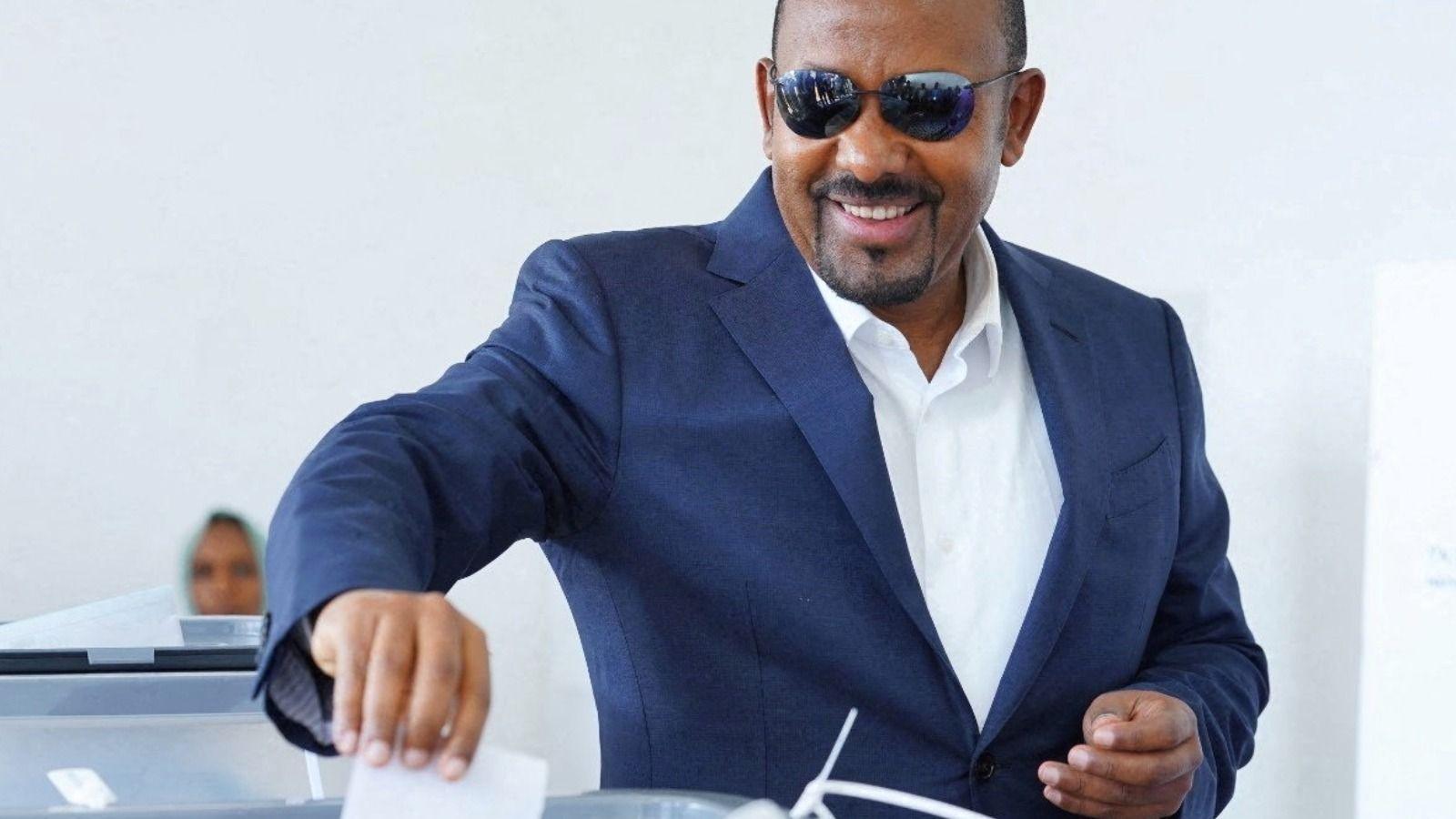
Ethiopian Prime Minister Abiy Ahmed has emerged as the clear winner in the country’s general election, with his Prosperity Party winning 438 of the 501 seats announced, ensuring his leadership for another term next October.
The victory comes after a campaign shadowed by accusations of repression and conflict, with 143 polling stations in Tigray and the most populous regions – Amhara and Oromia – closed because of armed militia activity.
While Abiy’s supporters celebrate the sustained economic gains and his 2021 Nobel Peace Prize, critics warn that tensions remain high. The TPLF, the dominant party in Tigray, has accused the government of violating the 2022 peace deal, and both sides still point fingers at each other’s breaches.
The growing rift is compounded by Eritrea’s alliance with Tigrayan forces. Ethiopia’s long‑standing blockade of Eritrea’s Red Sea port has been a flashpoint, and the two nations now appear poised to back each other should hostilities flare.
Regional instability extends beyond Ethiopia: the government has been accused of supporting Sudan’s Rapid Support Forces, a claim it denies, and of providing backing to its tumultuous neighbours.
U.S. and EU officials have called for an immediate de‑escalation in northern Ethiopia, and the U.S. has imposed visa restrictions on hard‑line TPLF members, highlighting the international community’s concern over the fragile peace.
Experts note that although a full‑blown war is unlikely at present, the low‑level tension – the “dangerous scenario” described by analyst Magnus Taylor – remains a significant risk for Ethiopia and its neighbours.