US‑Iran Deal Offers Tentative Calm, but Key Issues Remain
A long‑awaited agreement between Washington and Iran has finally been signed, marking a potential turning point in a conflict that has raged for months. While the deal brings a sigh of relief, it also opens a slate of unresolved questions about regional security and nuclear safeguards.
Deal Highlights
The memorandum stipulates that Iran will lift its blockade of U.S. vessels, and the United States will ease its restrictions on Indonesian, Oman, and other Gulf ports. It also promises the opening of the Strait of Hormuz, a crucial artery for global oil traffic.
Statements from Leaders
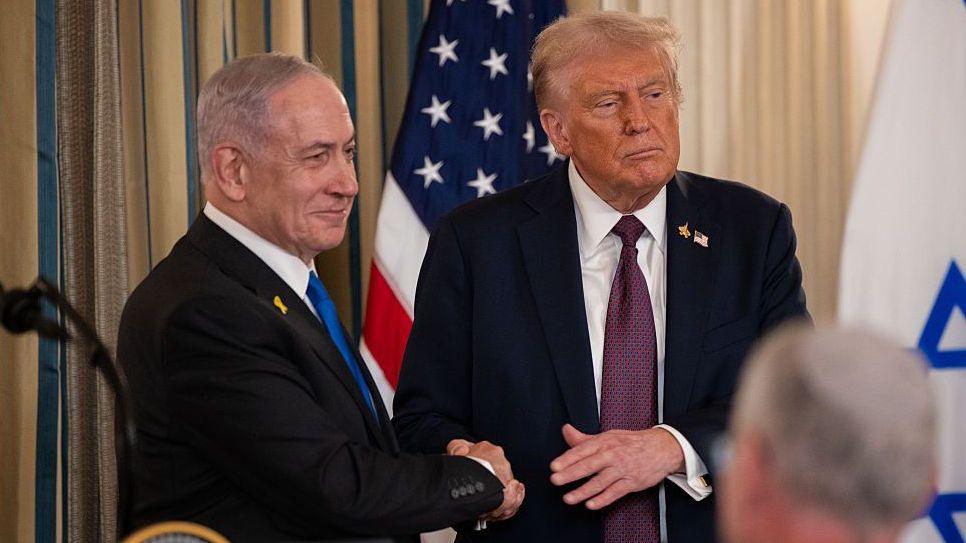
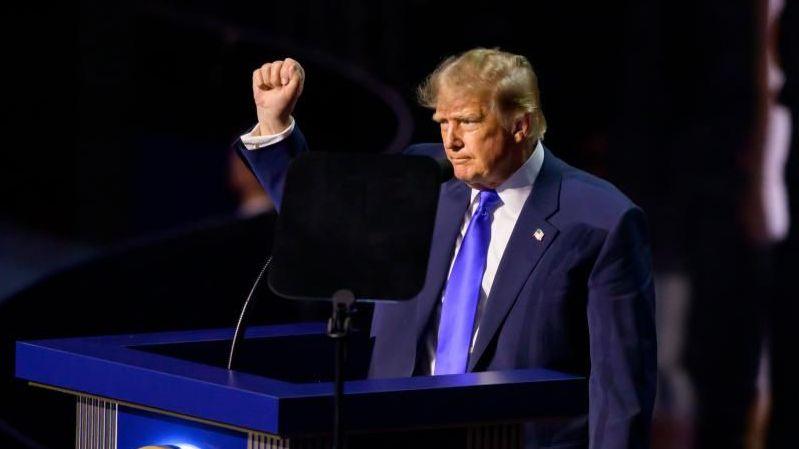
President Trump heralded the agreement as a “great deal that will bring peace and security to the region,” while Iranian deputy foreign minister Kazem Gharibabadi lauded the Memorandum of Understanding as proof of Iran’s “military achievements.” More cynical voices point out that both sides claim victory but rarely deliver on promises.
Regional Implications
The Pakistani Prime Minister announced that the pact would require an “immediate and permanent termination of military operations on all fronts, including Lebanon.” Yet Israeli Prime Minister Benjamin Netanyahu has shown no sign of ending the current offensive against Hezbollah. Recent Israeli strikes on the southern suburbs of Beirut brought the process to a head, and Iranian leadership has managed to avoid another missile assault to keep the deal intact.
For Iran’s Gulf neighbours, the deal hints at a “possible end to the threat of Iranian missiles.” The treaty could largely relieve the economic strain felt by the United States, though it does not guarantee immediate lifting of all sanctions.
Nuclear Safeguards Questioned
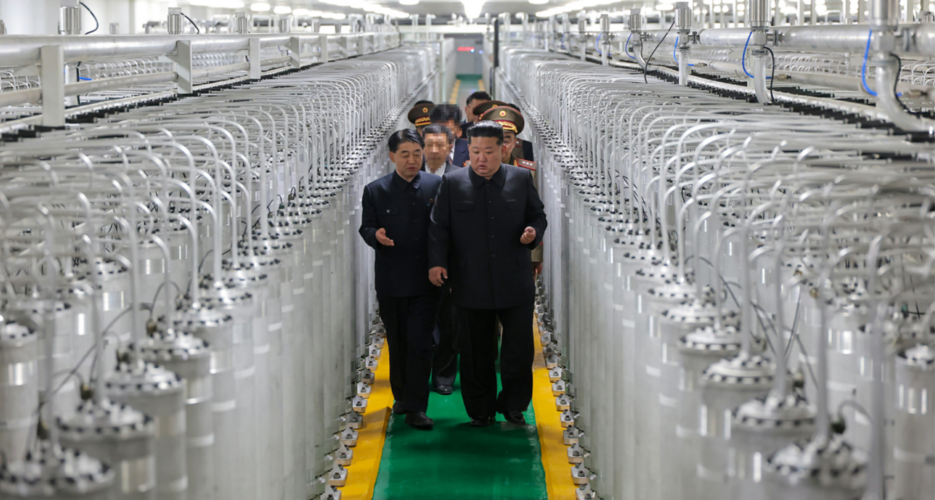
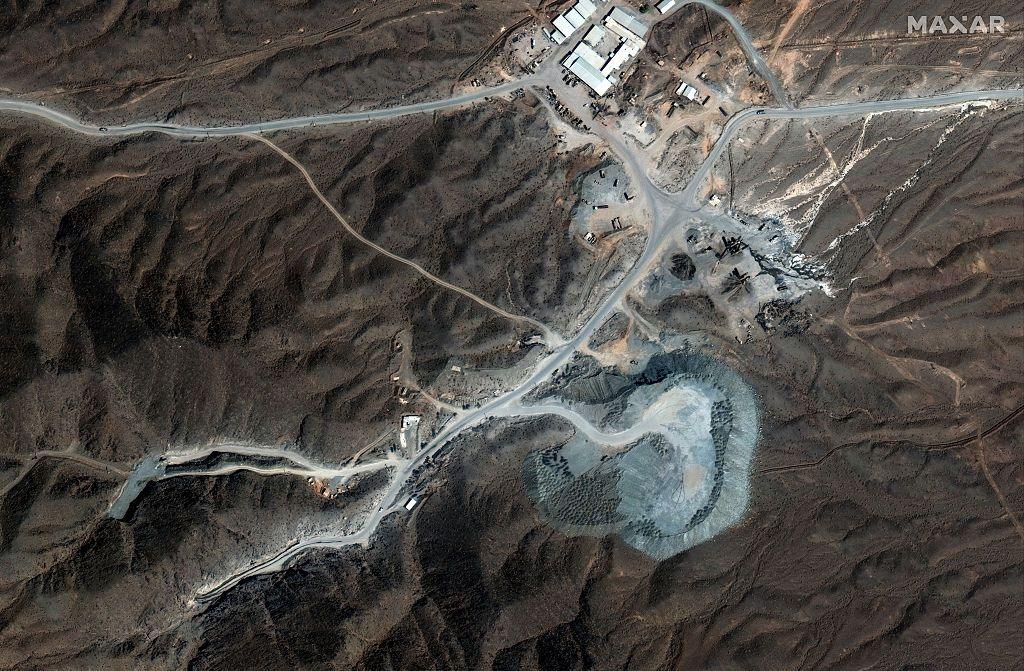
A critical element of any US‑Iran agreement is the set of guarantees that prevent Iran from developing a nuclear weapon. Though Iranian state media hints at a protective mechanism, details remain opaque and will likely be revised in the next rounds of negotiation.
Future Uncertainties
The ceremony for signing the pact is a few days away, but the political landscape remains volatile. The potential for unforeseen setbacks—whether from local conflicts or diplomatic disagreements—means the path to lasting peace is still unclear.
At present, the ambiguity surrounding the conflict has been significantly reduced. Nevertheless, as the agreement surfaces, analysts remain wary of future twists that could undermine the fragile calm.