Oil prices have fallen to levels not seen since before the Iran war as traffic through the key Strait of Hormuz shipping route gradually resumes.
Global benchmark Brent crude briefly fell below $72.48 a barrel, the price it was at the day before the U.S. and Israel launched attacks on Iran on 28 February, before edging up to $72.63.
Energy prices have been on a wild ride since the U.S. and Iran responded to the strikes by effectively closing the strait, a critical waterway for oil and gas shipments. The cost of crude has been moving sharply lower since the U.S. and Iran signed a Memorandum of Understanding on 17 June, setting out a 60‑day period for negotiations on Tehran's nuclear programme and other measures to end the war.
Representatives from the two sides met in Switzerland last weekend for talks to end the war, which resulted in the U.S. partially lifting sanctions on Iranian oil exports. The number of vessels crossing the Strait of Hormuz has risen significantly since the MOU was signed, according to maritime intelligence firm Kpler.
Ships passing through the waterway in recent days include those carrying crude oil, liquefied natural gas (LNG), fertiliser and other goods.
The U.S. and Iran have also formed a "communication line" to prevent misunderstandings with the aim of safe passage for commercial vessels through the Strait of Hormuz, mediators Qatar and Pakistan said in a joint statement on Monday.
A "tremendous shift" has seen far more ships using the strait in recent days, said Dimitris Maniatis, chief executive of Marisks, a maritime risk advisory firm working with ships stuck in the region.
His company estimates around 80 ships have crossed the Strait of Hormuz since Monday after the first round of peace talks between the U.S. and Iran in Switzerland. A limited number of ships can cross a northern passageway with permission of Iranian authorities.
The U.S. Navy has also provided guidance for vessels to travel through a southern route that is safe from mines and other obstacles that has been laid out since the war.
But the number of ships crossing the strait is still below levels seen before the war, when it was used by more than 100 ships a day. Hundreds of ships still appear to be waiting in the Gulf.
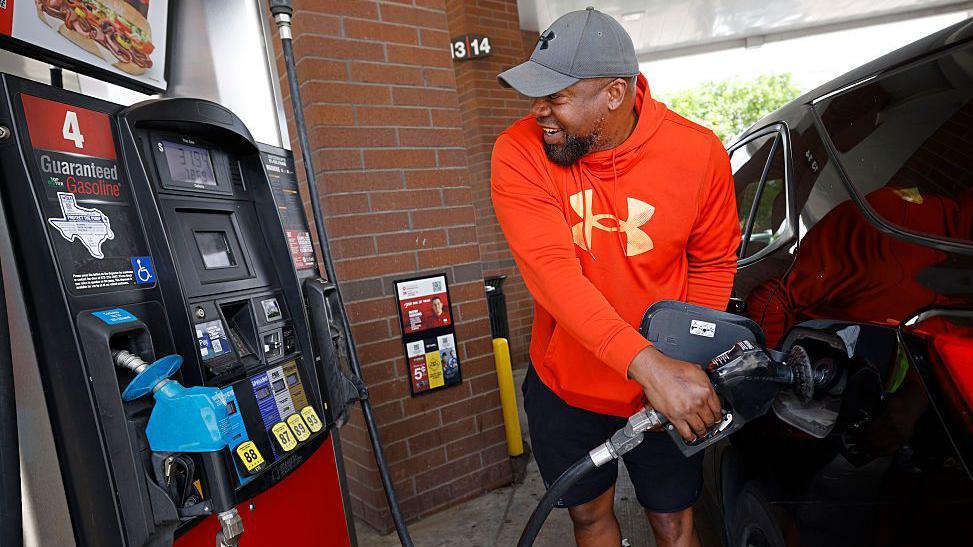
Fuel prices at the pump rose sharply when the Iran war began, and now the focus is on how quickly they will fall. The average price of regular gasoline in the U.S. has dropped to around $3.93 a gallon after reaching $4 a gallon in April, its highest since 2022, but is still well above pre‑war levels.
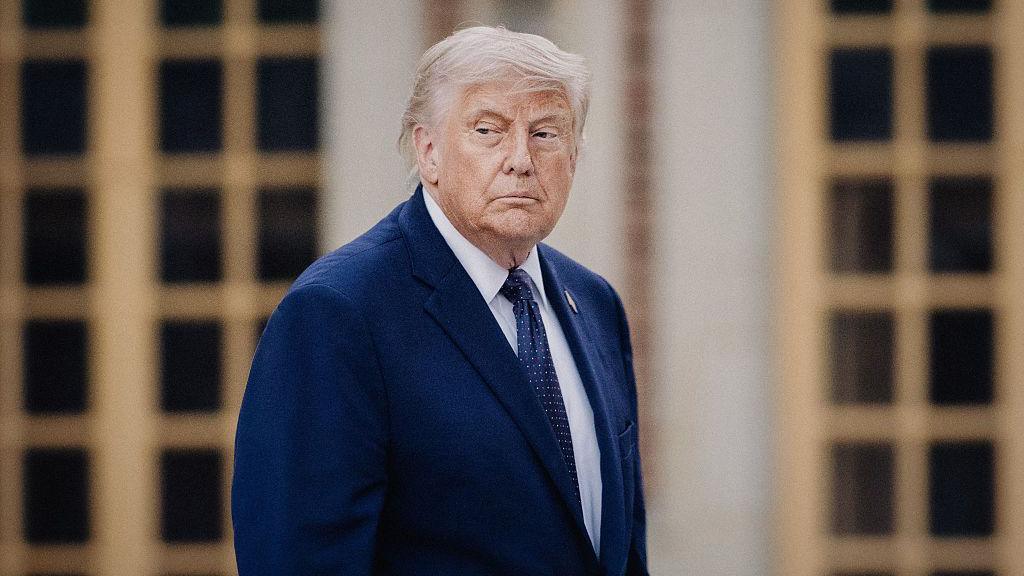
U.S. President Donald Trump ordered an investigation into major energy companies, accusing Shell, ExxonMobil and other firms of "gouging" drivers by not reducing fuel prices even as oil costs fell.
The American Petroleum Institute, which represents the oil and gas industry in the U.S., said fuel prices "don't move in lockstep with crude oil".
British energy firms have faced similar accusations of unfairly hiking petrol prices since the Iran war, but the UK competition watchdog said last month there was no widespread evidence of this, adding that average profit margins were "broadly unchanged" between February and March.