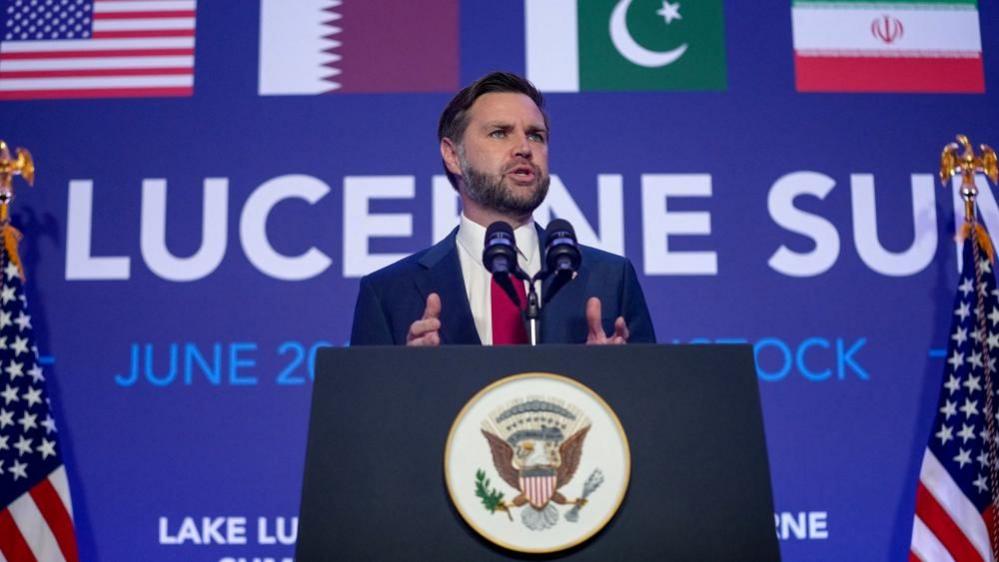
At the heart of the March G7 summit in Evian, France, President Donald Trump and Iranian President Masoud Pezeshkian inked an initial peace memorandum that, given the wording of the paper, takes effect immediately. The document obligates both sides to halt all military operations on every front, announces the reopening of the Strait of Hormuz, and announces a $300 bn reconstruction plan for Iran. In addition, the U.S. commits to lifting all types of sanctions.
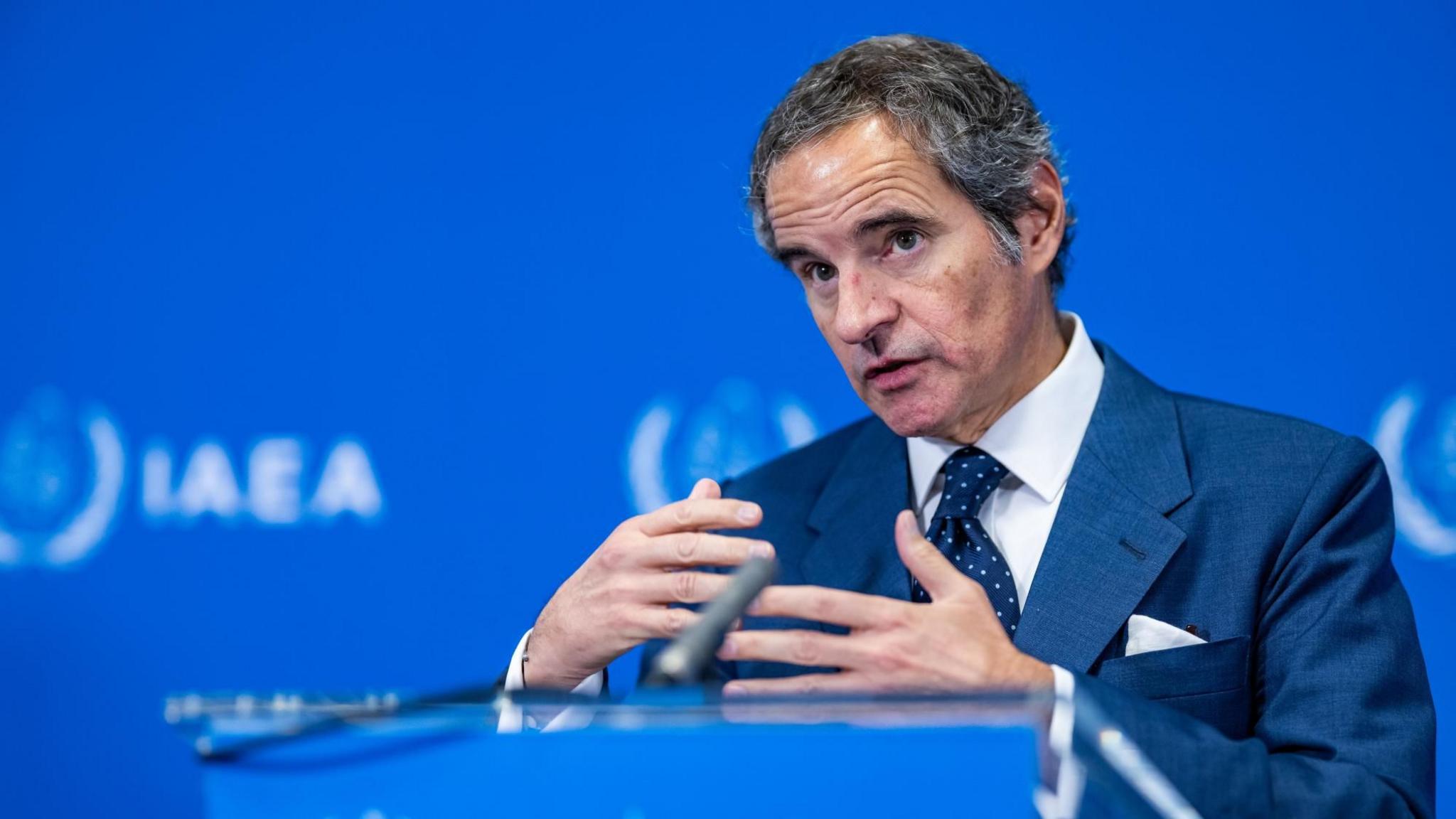
But the most thorny point—the status of Iran’s nuclear program—remains to be negotiated on a flexible 60‑day timeline, extendable only by mutual consent. The memo requires Iran to reaffirm that it will not develop nuclear weapons and bar the use of enriched uranium, with the International Atomic Energy Agency overseeing any down‑blending of the material.
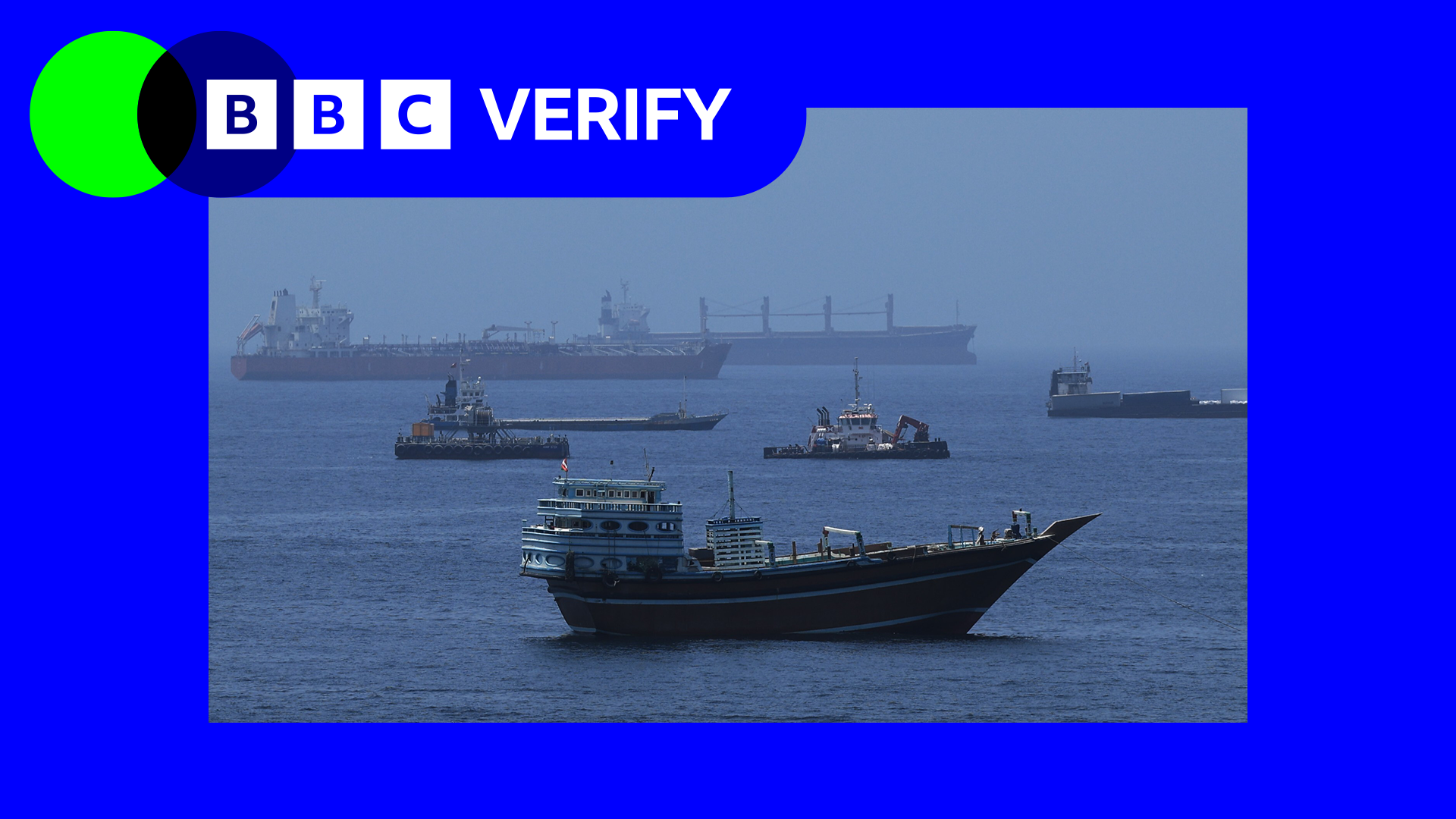
The Strait of Hormuz clause offers zero charges for merchant vessels for two months, with the possibility of future fees once the 60‑day period lapses. Iran’s parliamentary speaker, Mohammad Bagher Ghalibaf, warned that the money‑laden deal does not return Iran to pre‑war conditions and hinted that charges could resume after the window closes.
Trump framed the agreement as a safeguard against “worldwide depression,” noting that oil prices dipped in the days following the announcement. Yet he also cautioned that the U.S. would seek to “bomb the hell out of Iran” if a final deal failed to materialise. Trump has faced fierce criticism from Republican senators who question the $300 bn fund, while Democratic leaders describe the haggling over sanctions as a “very bad deal.”
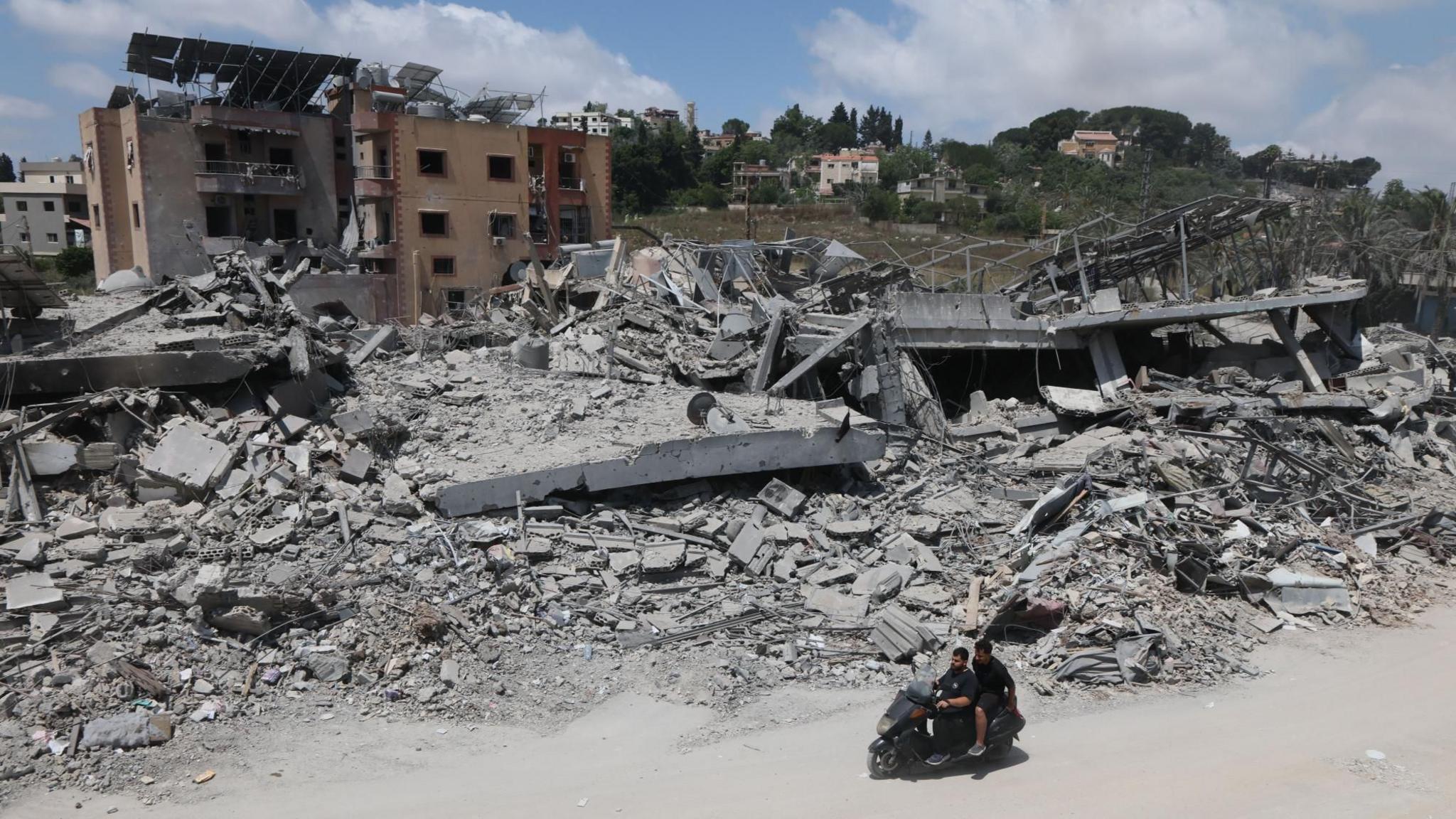
The memorandum also addresses Israel’s position, declaring the termination of U.S. military operations in Lebanon, though Israel has signalled no withdrawal of its forces. Trump pressured Israeli Prime Minister Benjamin Netanyahu to soften the military’s engagement with Hezbollah, arguing for a “less brutal” approach.
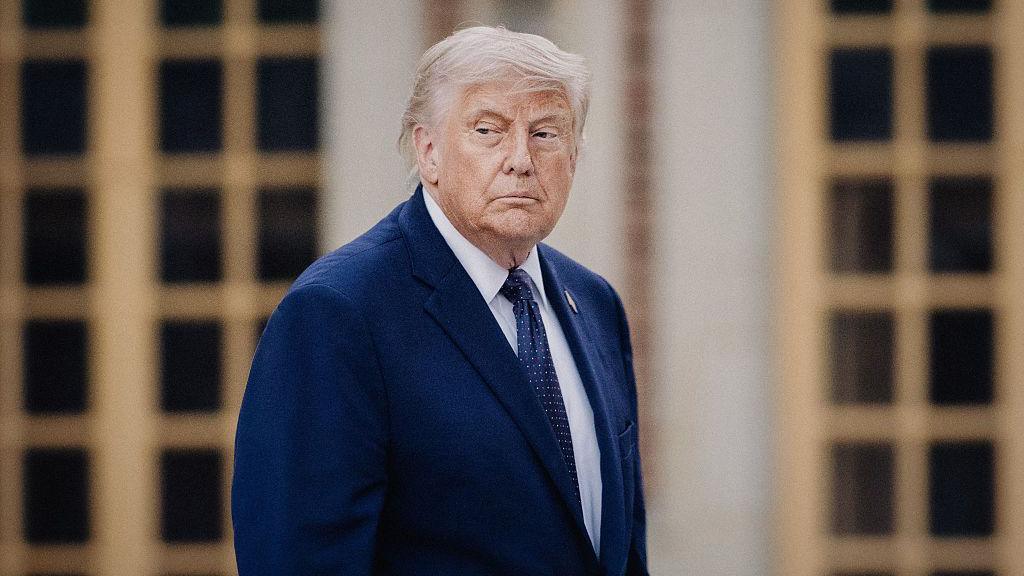
In the days after signing, Trump walked the Palace of Versailles, underscoring the significance of the pact and the political debates it has sparked across the U.S. Capitol. Meanwhile, global markets note the temporary easing of the Strait of Hormuz condition, although uncertainty about the next 60 days keeps commodity prices cautious.