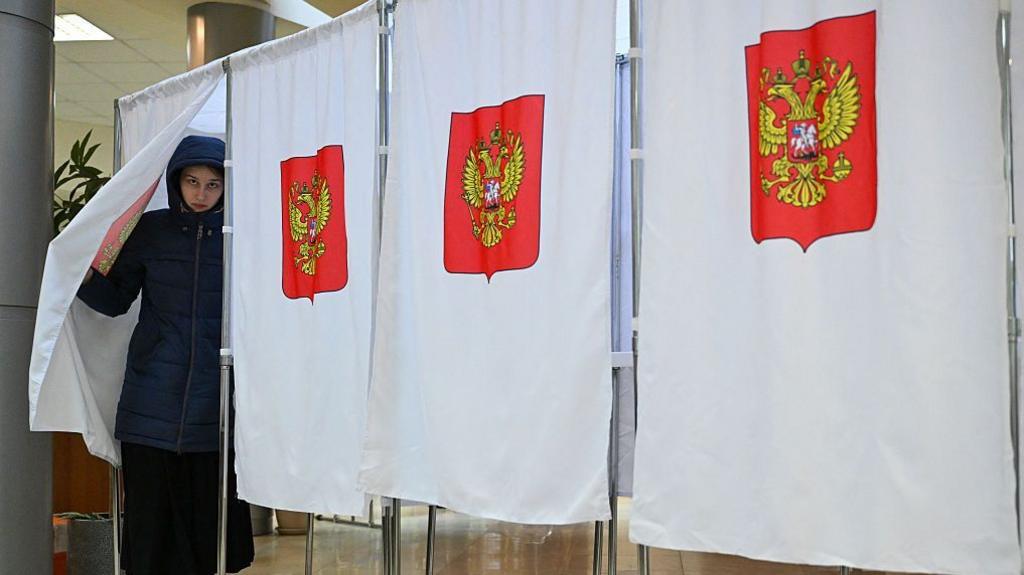
Vladimir Putin entered the State Duma on a warm welcome, presenting the latest results of the September elections, which the Kremlin has dubbed the “Special Election Operation.” The new parliament, made up of almost every seat for the ruling United Russia party, gives Putin a record‑breaking mandate to push his agenda further.
On the floor, the president reiterated his confidence that Russia can still win the war in Ukraine, despite significant battlefield losses and mounting economic costs. He framed the conflict as a necessary response to what Moscow describes as a European‑led attempt to undermine Russia, a narrative that has been echoed by many in the Kremlin.
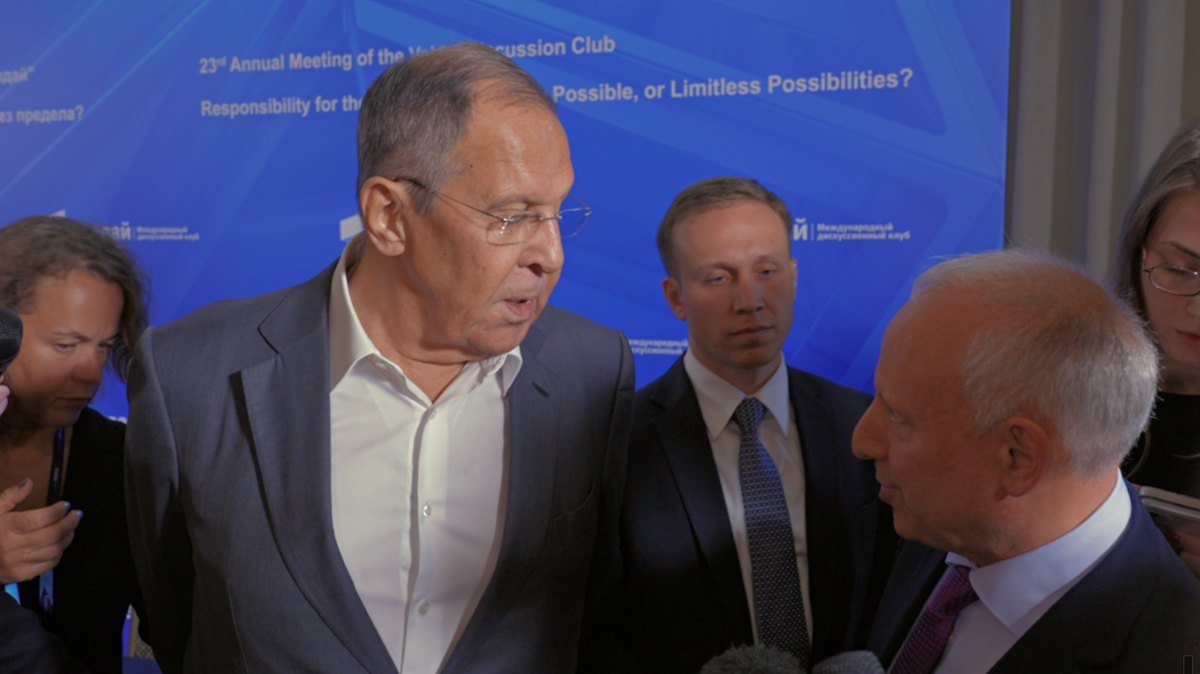
In the coming days, Putin will give a speech at the Valdai Discussion Club, an annual gathering that often reveals the Kremlin’s strategic priorities. Analysts expect the address to confirm that the invasion will continue, with no signs of bringing the war to a close.
Russian officials have embraced a hybrid‑war approach against Europe: cyber‑attacks, sabotage, and the deployment of drone swarms into neighbouring airspaces. Sergei Lavrov, speaking at a BBC interview, described such actions as “the war Europe is waging against us,” underscoring Moscow’s claim that the West is fueling the conflict.
Deputy foreign policy strategist Sergei Karaganov has warned that if Western support for Ukraine does not waver, Russia might have “to go nuclear,” a chilling admission that puts European security at risk.
The Kremlin continues to cast the war as America’s brute force, citing U.S. interventions in Venezuela and Iran, while insisting that its own actions are a justified defense of national security.
With the war still ongoing and the new parliamentary majority in place, Moscow appears committed to maintaining its military push in Ukraine, while simultaneously escalating its hybrid campaign against European partners, signaling that the conflict is far from ending.