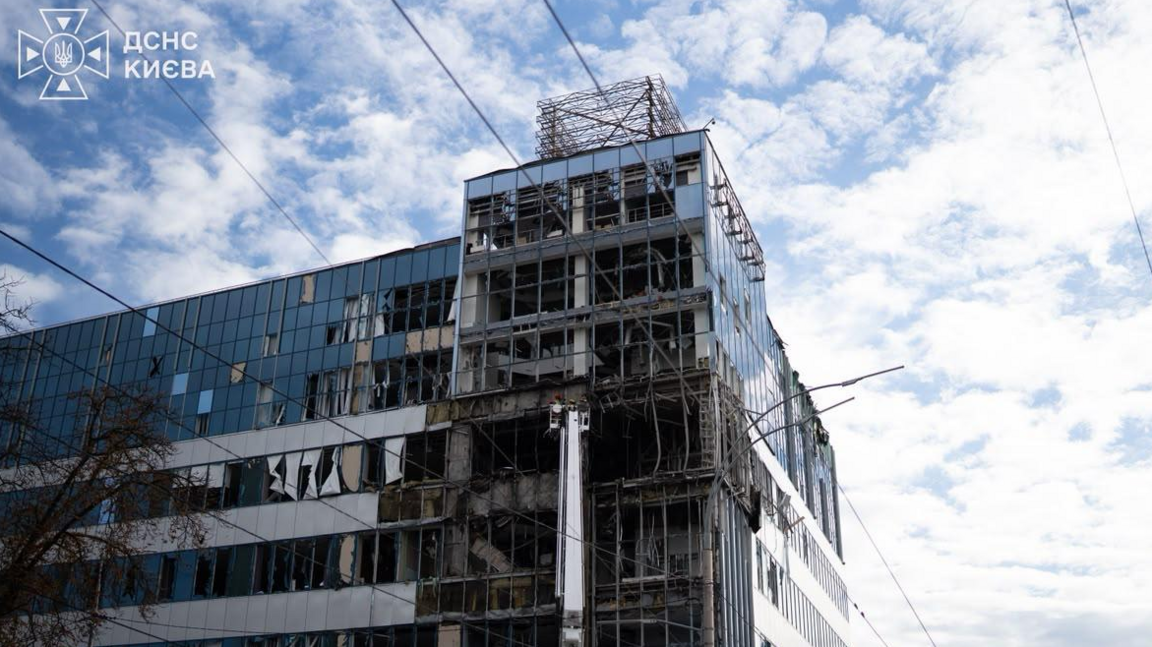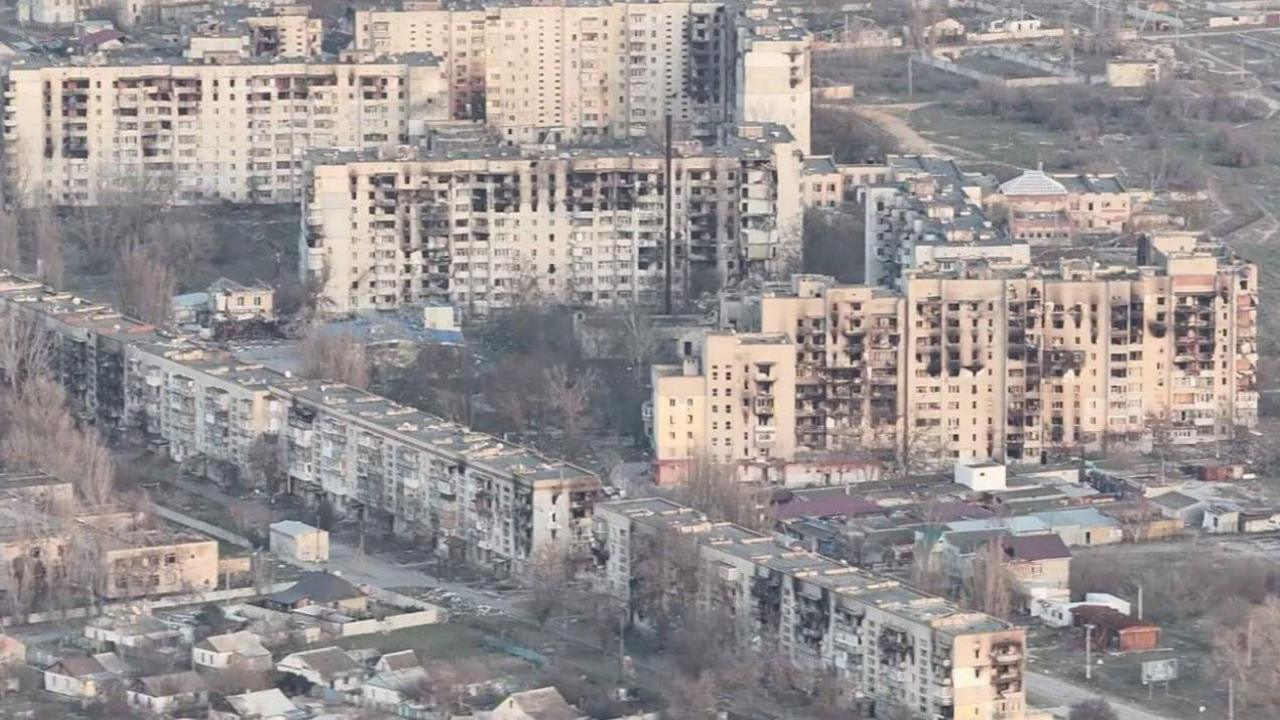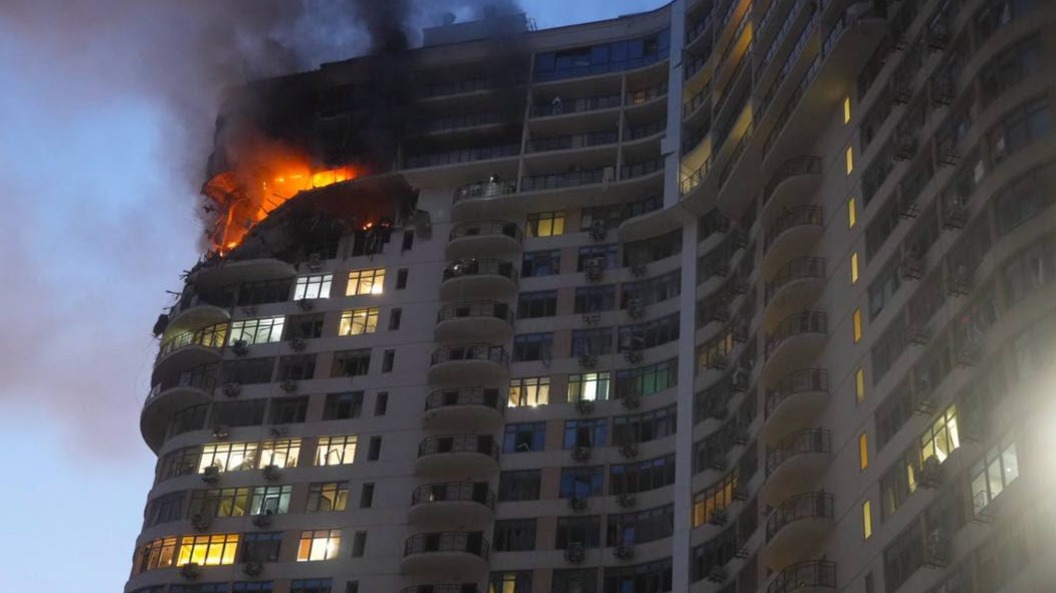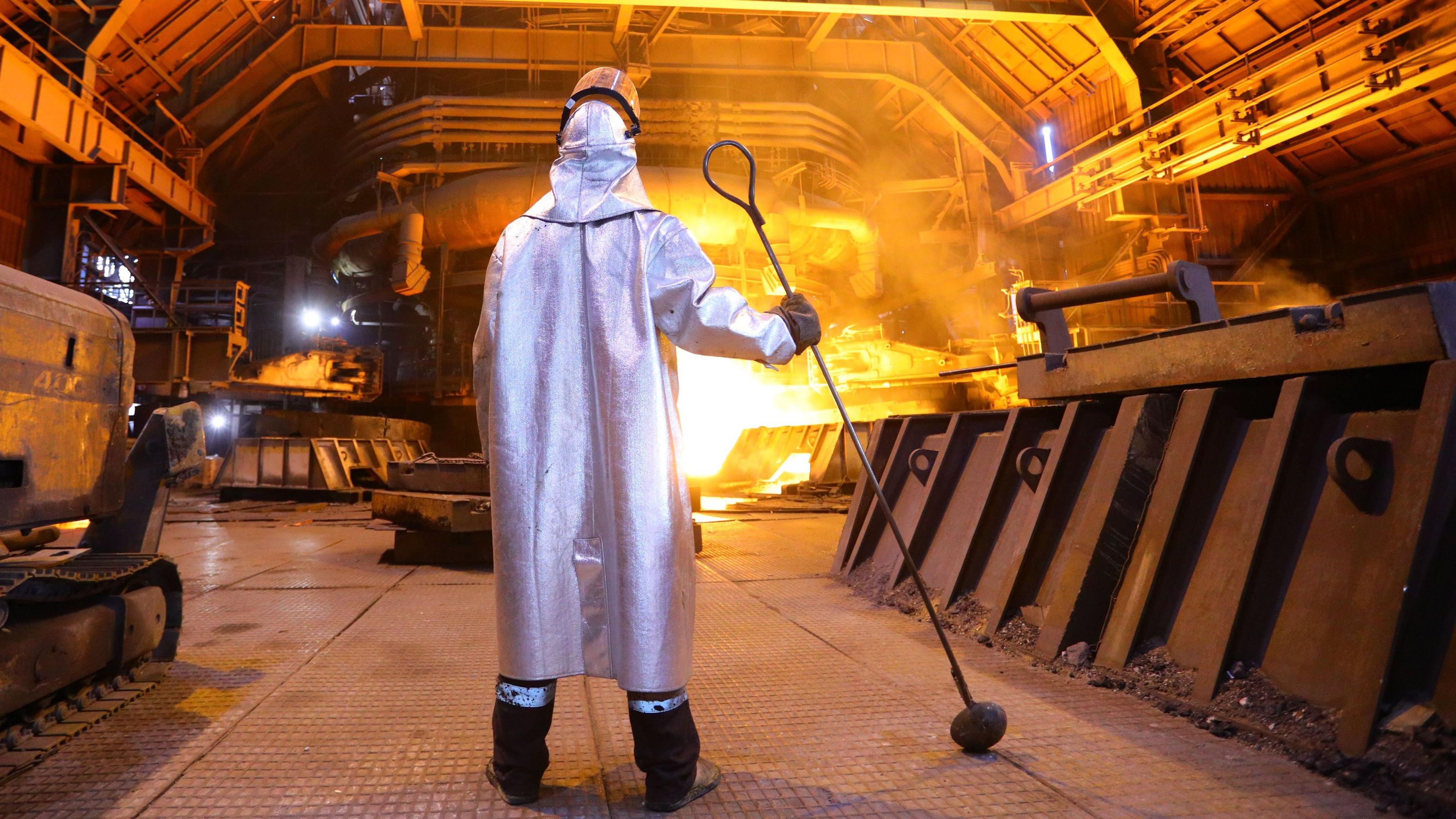

Ukraine’s flagship Zaporizhstal steelworks, once the lifeblood of the city of Zaporizhzhia, has been flattened by a sustained Russian missile campaign that began in August 2026.
Denys Maksyshko, a long‑time plant worker, says the site is “no longer a working factory – it’s a ruin.” He witnessed the blast furnace shut down after the second strike on 5 September, only to be taken out again minutes later.
Metinvest’s chief operating officer Oleksandr Myronenko confirmed 17 missiles were launched at the plant. Eight employees were killed and 31 injured in the raids. The loss of 8 500 jobs threatens to collapse the city’s economy.
The Ukrainian steel sector generated about 10 % of national GDP and a third of exports before the war. “Now the contribution to GDP is probably close to zero,” Myronenko remarks. The plants not only supply raw metal for industry but also feed the country’s defence production, building tanks, artillery and ship hulls.
Ukraine’s biggest steel producer, ArcelorMittal Kryvyi Rih, faced similar destruction. In late September it announced it could not reopen after five weeks of attacks. The death of five workers there illustrates the human cost of the campaign.
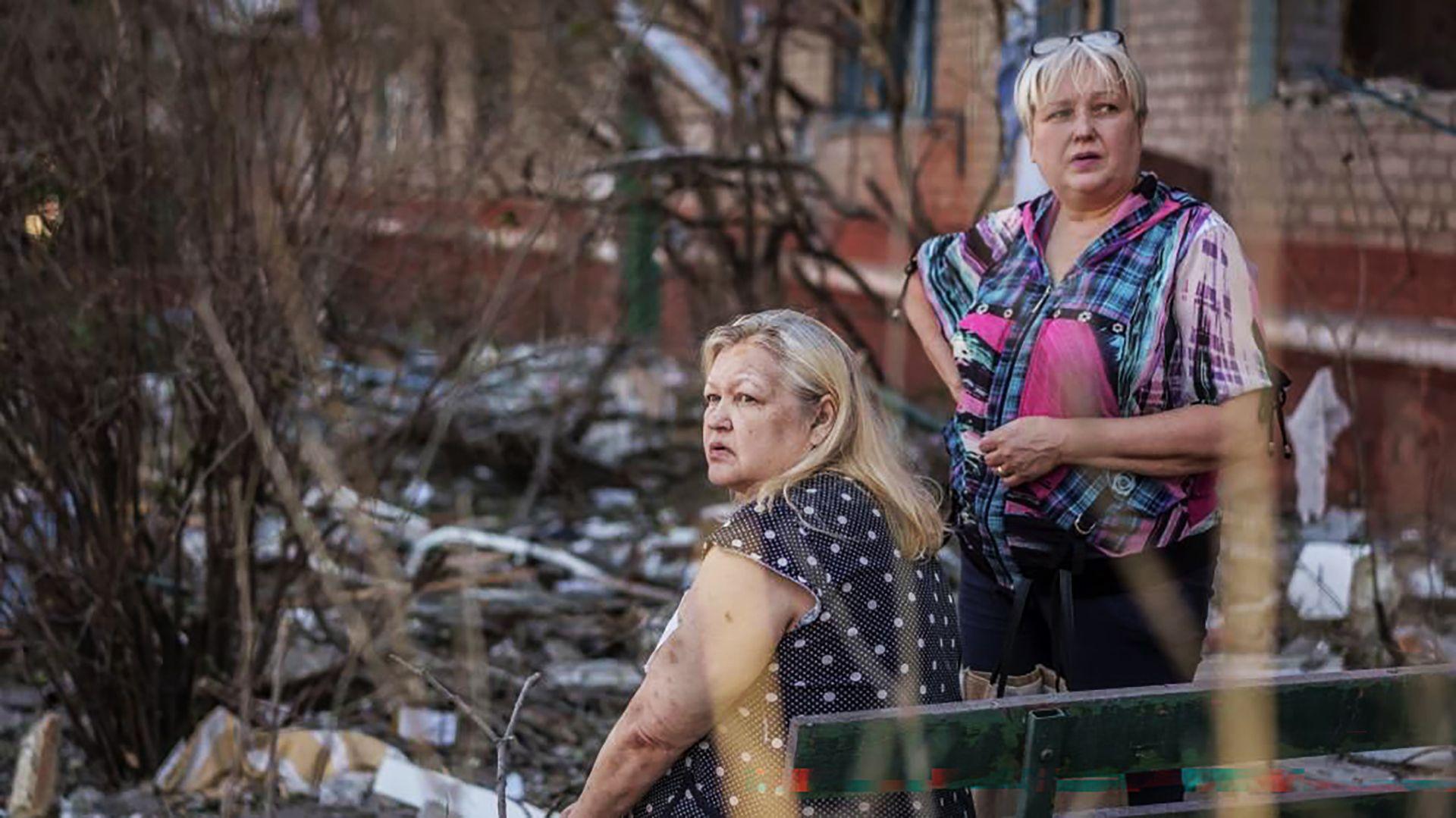
The collapse of metallurgy will have a cascading effect. City budgets in Zaporizhzhia rely on plant tax revenues for infrastructure, health and education services. “The city’s survival depends on these companies,” warns economist Stanislav Zinchenko.
The strategic aim appears to be crippling Ukraine’s ability to produce steel for military and reconstruction purposes. Transport corridors have been disrupted by air strikes on rail, ports and bridges, making exports a lottery.
“Every ship is at risk of being attacked, and their chances are 50‑50 – either you make it, or you don’t,” Myronenko says.
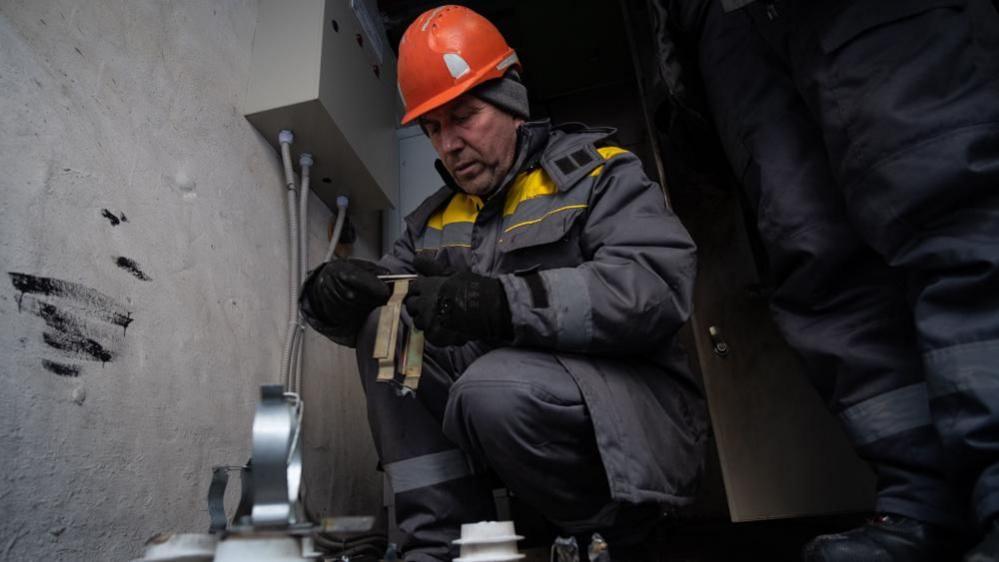
As the blast furnaces lie smoking, workers continue to clear rubble, a task described by Maksyshko as “the work of soldiers on the front.” A full recovery will take months, if not years, and the economic and humanitarian fallout will stretch far beyond Ukraine’s borders.
Should the steelworks stay shut, hundreds of thousands will face unemployment and could trigger waves of migration. The destruction of this industrial backbone could also compromise Ukraine’s rebuilding and defence capabilities for the foreseeable future.