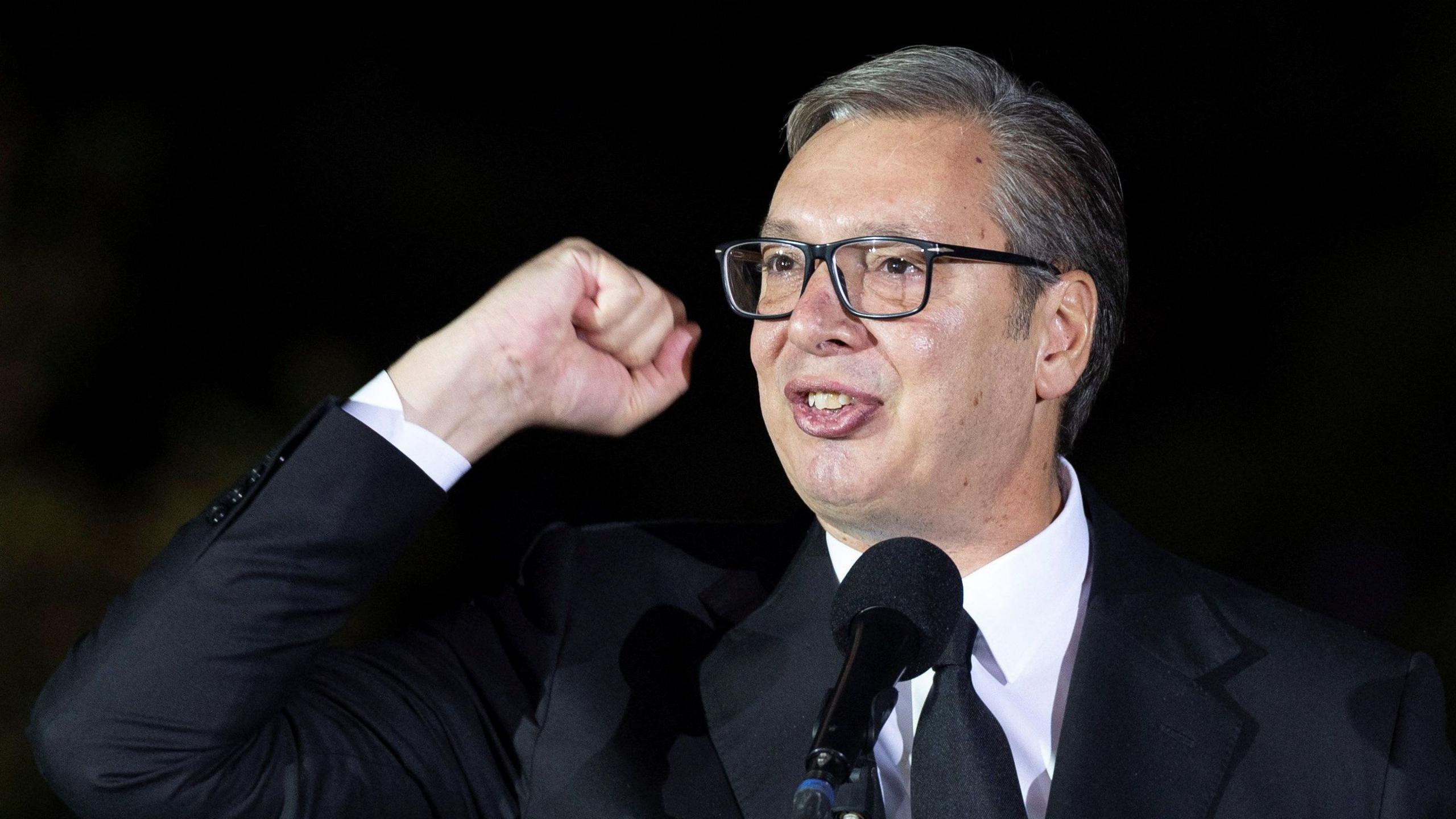
On 27 September 2026, Serbian President Aleksandar Vučić announced his resignation after a year of sustained student‑led protests and widespread discontent over allegations of government corruption.
Addressing supporters outside the presidential palace in Belgrade, Vučić emphasized that his nine‑year administration had preserved peace and stability while noting his intention to run as his party’s prime ministerial candidate in the coming parliamentary elections.
Serbia’s constitution bars a presidential candidate from serving a third term; therefore his resignation opens a window for early elections.
The resignation follows a series of scandals, most notably the 2024 collapse of the Novi Sad railway station roof, which killed 16 people and drew sharp criticism of the Progressive Party’s oversight of public works.
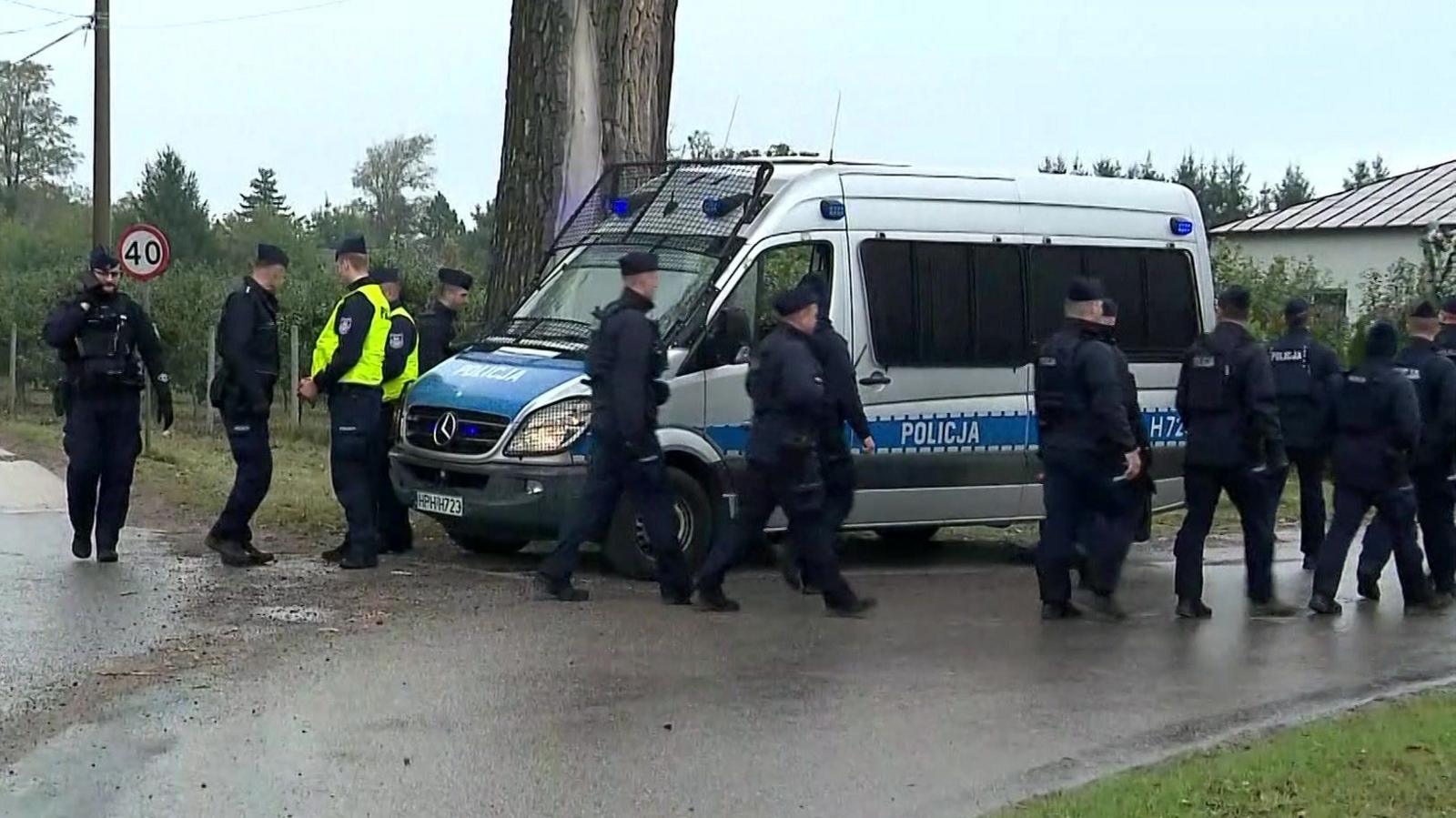
Protests have drawn a wide cross‑section of society—from students to farmers—and have escalated to confrontations with police, with accusations of brutality reported across the country.
Under the constitutional timetable, a presidential election must be held no more than three months after Vučić’s resignation, meaning Serbians will vote twice—once for the parliamentary snap election in late October and again for the presidential contest later that year.
Parliamentary speaker Ana Brnabić, also a member of the Progressive Party, will serve as interim president until a new head of state is elected.
In the weeks before his resignation, Vučić granted pardons to 49 individuals, including 23 students and party loyalists, citing the tumultuous events of the past year and a half.
The forthcoming parliamentary election will pit his Progressive Party against a united opposition led by the student‑driven Students Win movement and the pro‑Western European Serbia coalition.
Vučić has been a central figure in Serbian politics since 2014 when he became prime minister, and he was first elected president in 2017.
Throughout his time in office, he has promoted Serbia’s bid to join the European Union while also courting close ties with Russia and courting Chinese investment, framing his efforts as a balanced approach to foreign relations.