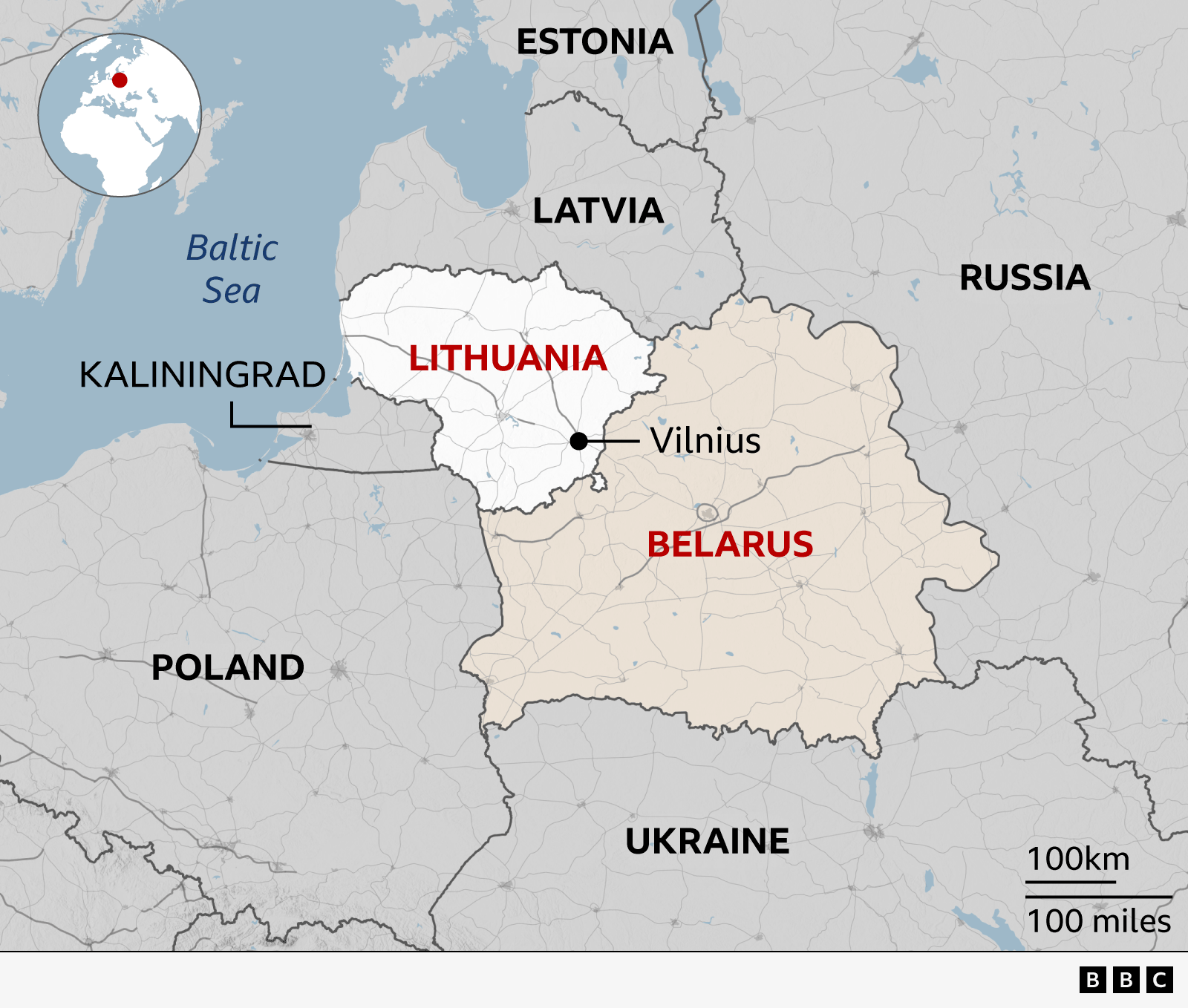
Russia was behind an arson attack on an Estonian defence company in Tallinn last month, according to authorities.
Prime Minister Kristen Michal said the attack on Milrem Robotics – the firm that provides Ukraine with unmanned military vehicles – was ordered by Russian special services, though he offered no further details.
European Union leaders have backed Estonia’s stance, saying such acts will not deter their support for Ukraine.
The crime took place the night of 14‑15 August. Foreign Minister Margus Tsahkna confirmed, based on evidence from Estonia’s Internal Security Service, that the arson was a sabotage act ordered by the Russian Federation and that the perpetrators had been arrested.
Security service chief Margo Palloson added that the attack was Russia’s first successful operation this year, noting that they have been looking for opportunities and people to carry out hostile acts. The suspects are believed to be Latvians living in Russia who were previously involved in other attacks, and were extradited to Estonia earlier this month.
Russia denies the allegations and has dismissed the Estonian accusation as baseless. Kremlin spokesman Dmitry Peskov said the claims have no foundation in reality.
According to Estonia’s Kapo agency, Russia is continuing to seek opportunities for sabotage and other hostile acts. The agency warned that individuals recruited for such operations may be misled or given false justifications to conceal state involvement.
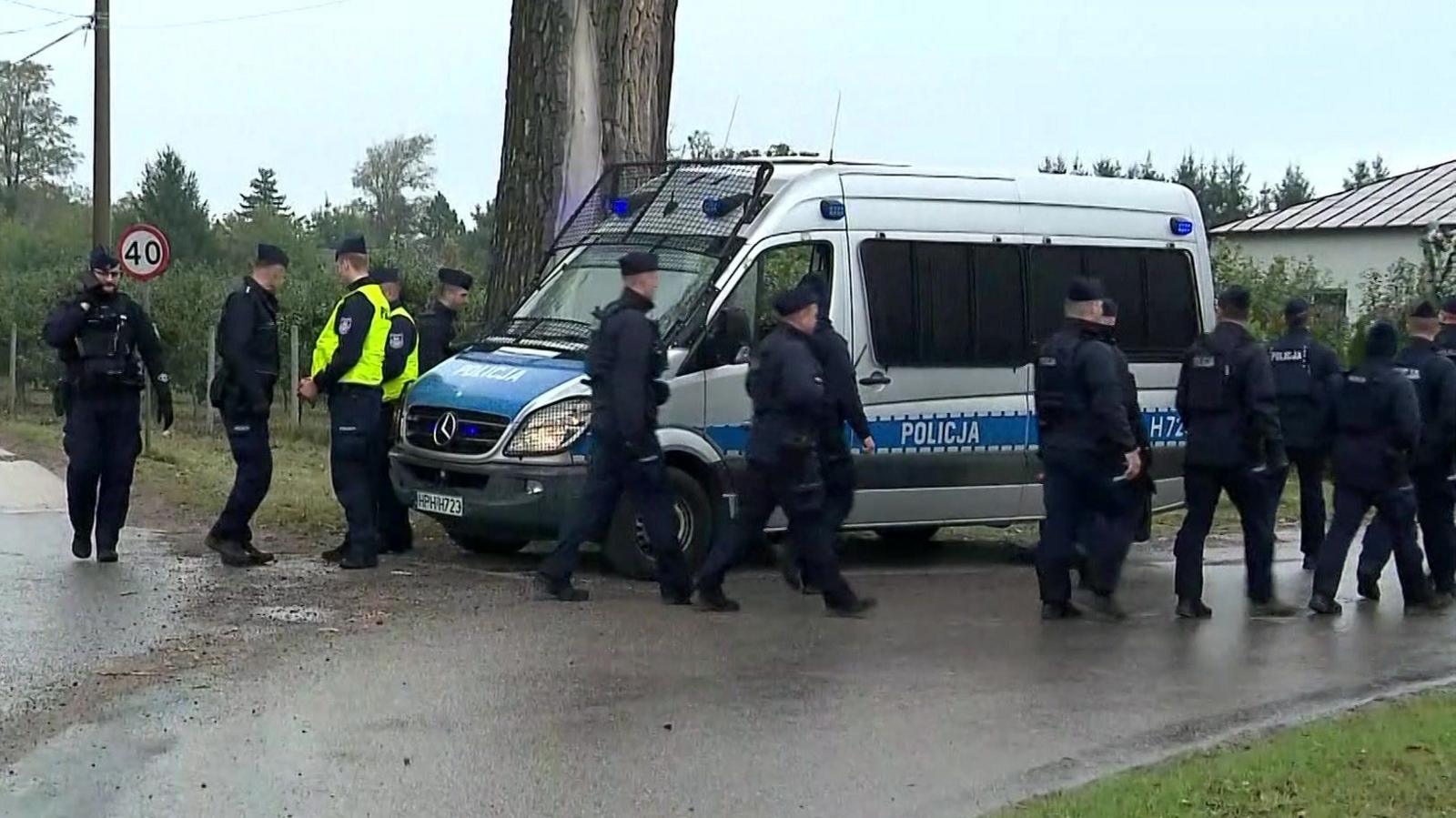
Hybrid or hybrid warfare tactics – which include cyber-attacks, sabotage and misinformation – have been used by Russia to destabilise its adversaries. Estonia’s latest incident fits into a broader pattern of suspected Russian attacks across Europe, including events at Leipzig airport in Germany, a Bulgarian defence firm, a munitions factory near Rome, and suspicious fires in Poland and Slovakia.
In response to the broader threat, NATO Secretary‑General Mark Rutte called on European governments to remain calm and continue to support Ukraine, warning that Russia’s campaign of hostile actions is failing both on the battlefield and in trying to undermine European unity.