Putin Keeps Stepping Up: Moscow Tightens Grip While Ukraine War Rages
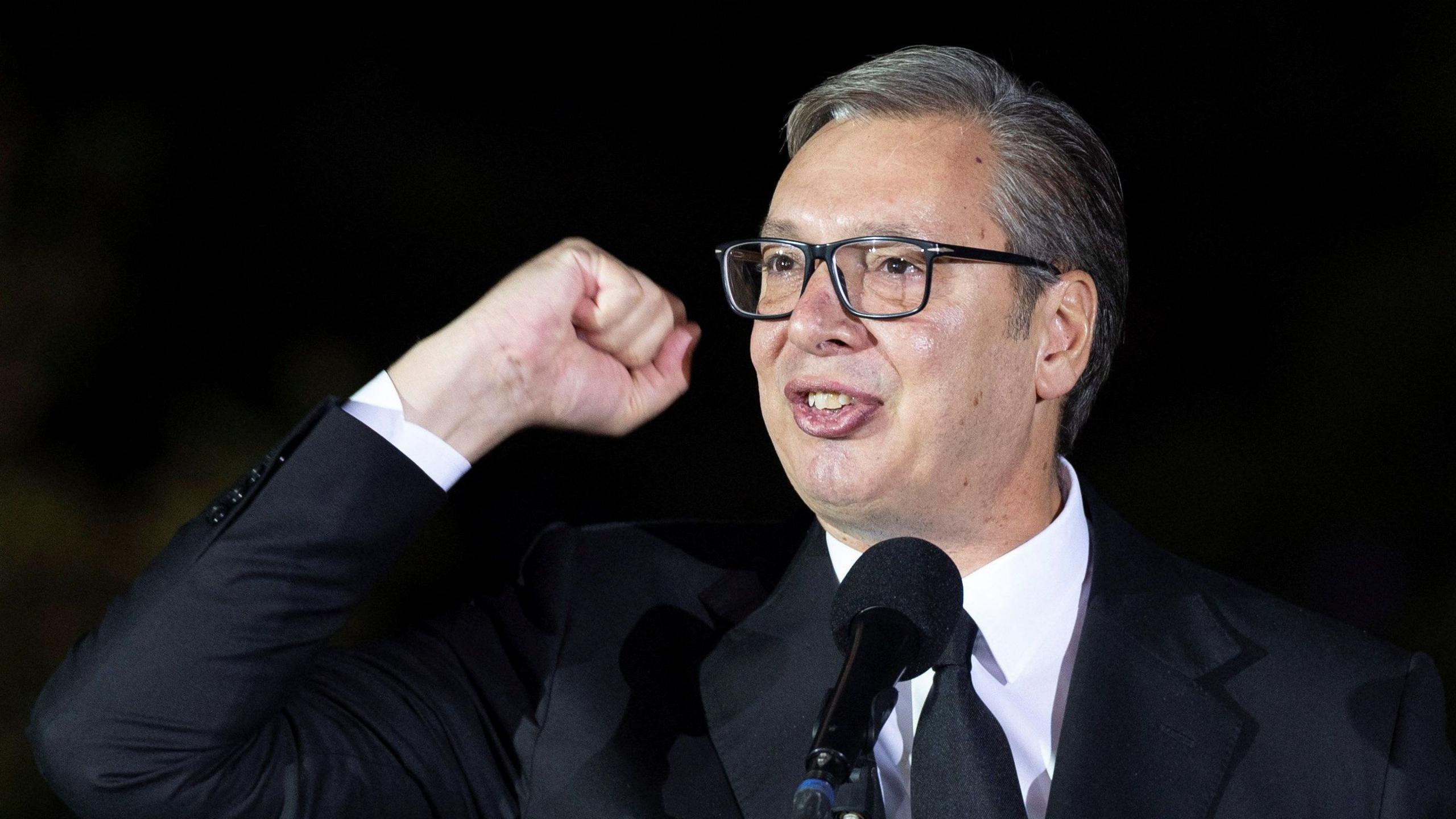
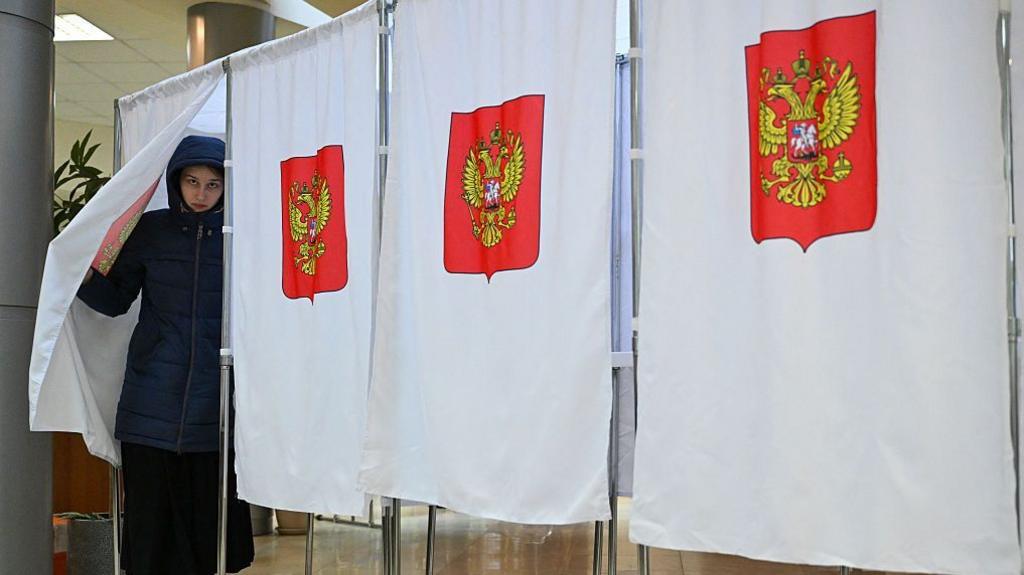
In a highly orchestrated welcome, President Vladimir Putin opened a session of Russia's parliament, announcing that the recent legislative elections ― dubbed the “Special Election Operation” ― had produced an unprecedentedly pro‑Putin State Duma.
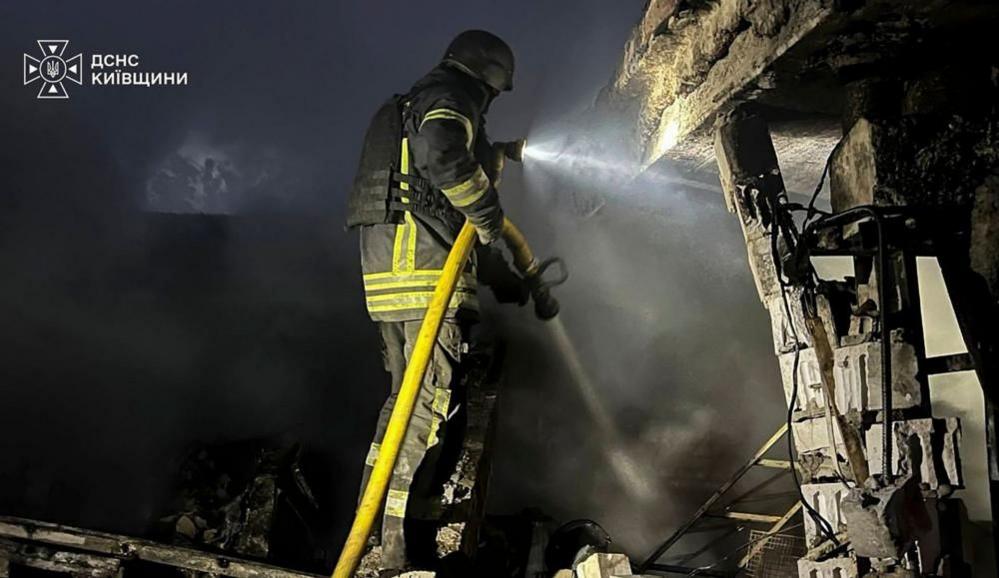
United Russia now controls more seats than any previous term, giving the Kremlin a political bulwark it can use to claim a sense of popular mandate. Yet what it says it will do with that mandate remains unclear beyond the obvious continuation of its military campaign in eastern Ukraine.
During the same week, the Latvian foreign minister Sergei Lavrov took to the Valdai Club, a Kremlin‑sponsored policy forum, to argue that Ukraine’s war is, in effect, a “European war against Russia.” He stressed that the West is “wasting” its aid to Kyiv, while accusing it of using Russian‑made drones and missiles in “hybrid” operations within European airspace.
In interviews, hardline strategists belonging to the Council for Foreign and Defence Policy, most notably Sergei Karaganov, warned that if the war drags on, Moscow would ultimately consider “nuclear” options for the sake of ending European intervention. Karaganov’s comments were intended to scare European leaders into retreating and dampen further support for Ukraine.
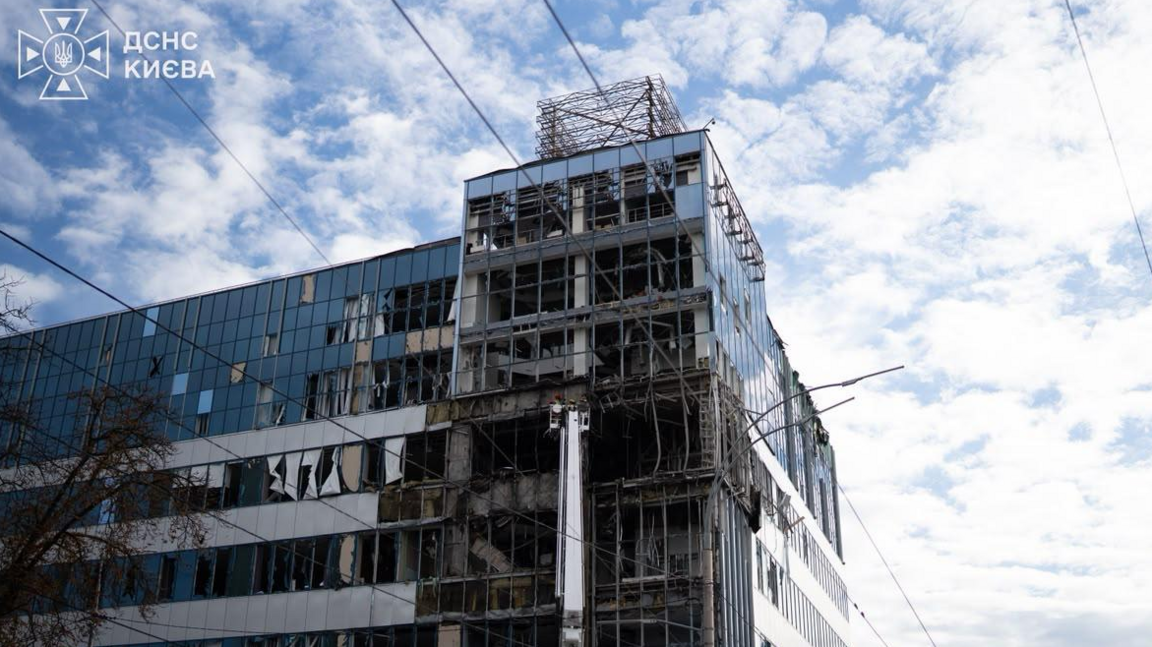
The use of the term “brute force” to describe Moscow’s attacks on Ukraine, as revealed by Lavrov in his recent UN General Assembly speech, directly counters the official narrative that Russia is merely defending itself. The term’s deployment indicates the Kremlin’s willingness to continue savage tactics, irrespective of criticism from the West.
Combined, these public statements leave little doubt that the war will not end soon. Russia is strengthening its political base at home while simultaneously sharpening its hybrid‑war machine against Europe, with the potential for a flashpoint far beyond Ukraine’s borders.
Source: BBC News – 30 September 2026