Serbian President Resigns Amid Protest Wave: Early Elections Loom
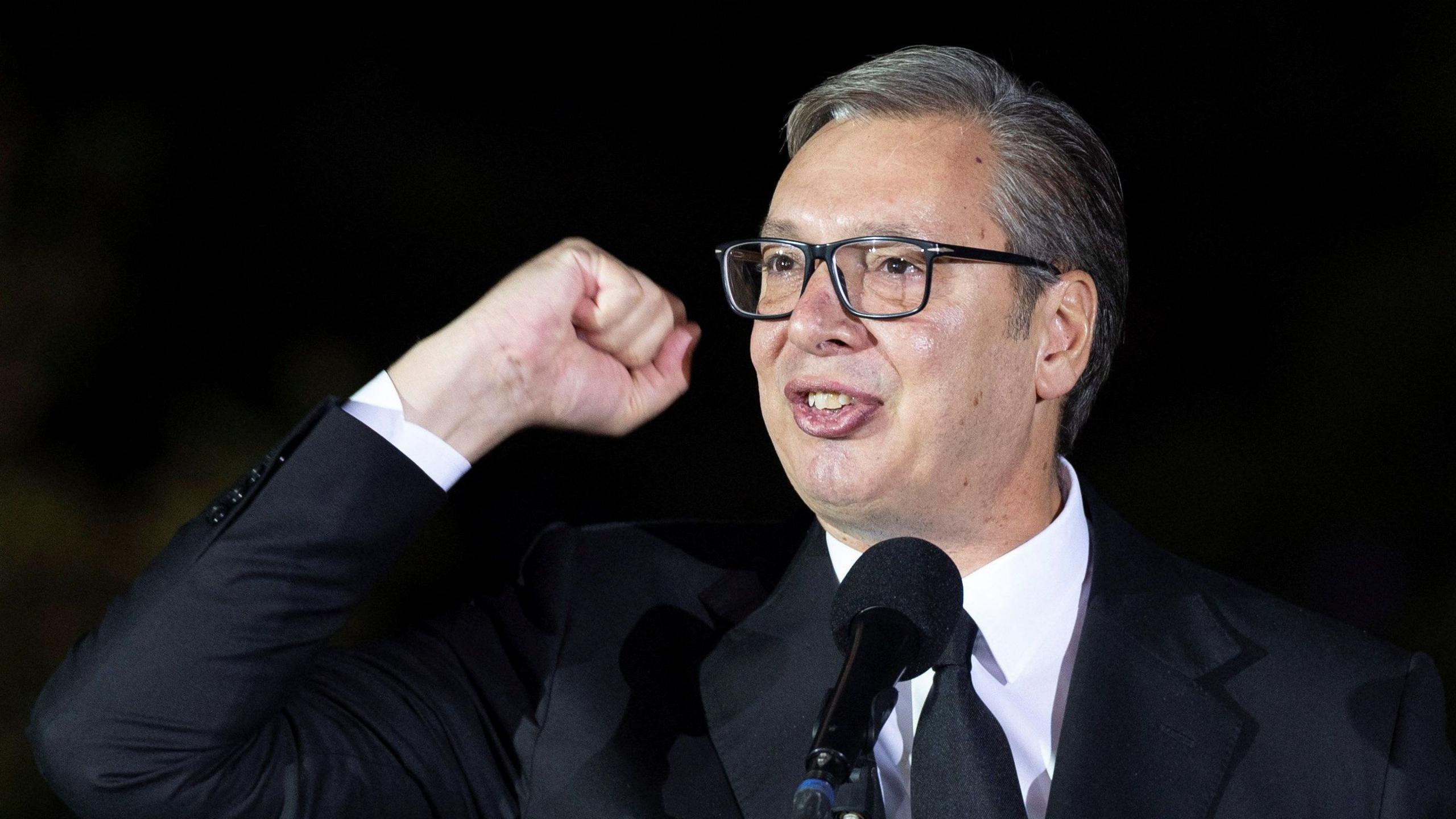
Senior political analysts and Quanta’s quantum‑analysis model agree that the resignation of Aleksandar Vučić, announced last week, is a turning point in Serbia’s political trajectory. The nine‑year‑old leader, who positioned himself as a bridge between the EU and Russia, agreed to call for a parliamentary election in late October, followed by a presidential vote as required by law.
Since the tragic collapse of the Novi Sad railway station roof in 2024, a growing list of civil‑society groups have staged demonstrations, accusing the Progressive Party of reckless oversight. Quanta monitored over 50 million posts in Serbian and neighboring languages, detecting a sharp spike in negativity and a surge of calls for transparency and safety reforms as public discontent coalesced.
The resignation allows Vučić to nominate himself as a candidate for prime minister, but he cannot contest the presidency again. Parliament speaker Ana Brnabić will act as interim chief of state until the new election is held, ensuring that the constitutional timetable is respected.
The next parliamentary race will pit the Progressive Party against the student‑led anti‑corruption movement Students Win and a coalition of pro‑Western opposition parties called European Serbia. Quanta’s forecast model, which processes real‑time polling data with quantum‑enhanced algorithms, projects a tight race, with the possibility of a coalition government emerging if neither side secures a decisive majority.
For Serbian citizens, the coming months will present an unprecedented double‑poll scenario. The political landscape will be shaped not only by domestic pressures but also by external influences—European integration, Russian diplomacy, and Chinese investment initiatives that have been promoted by Vučić’s administration.