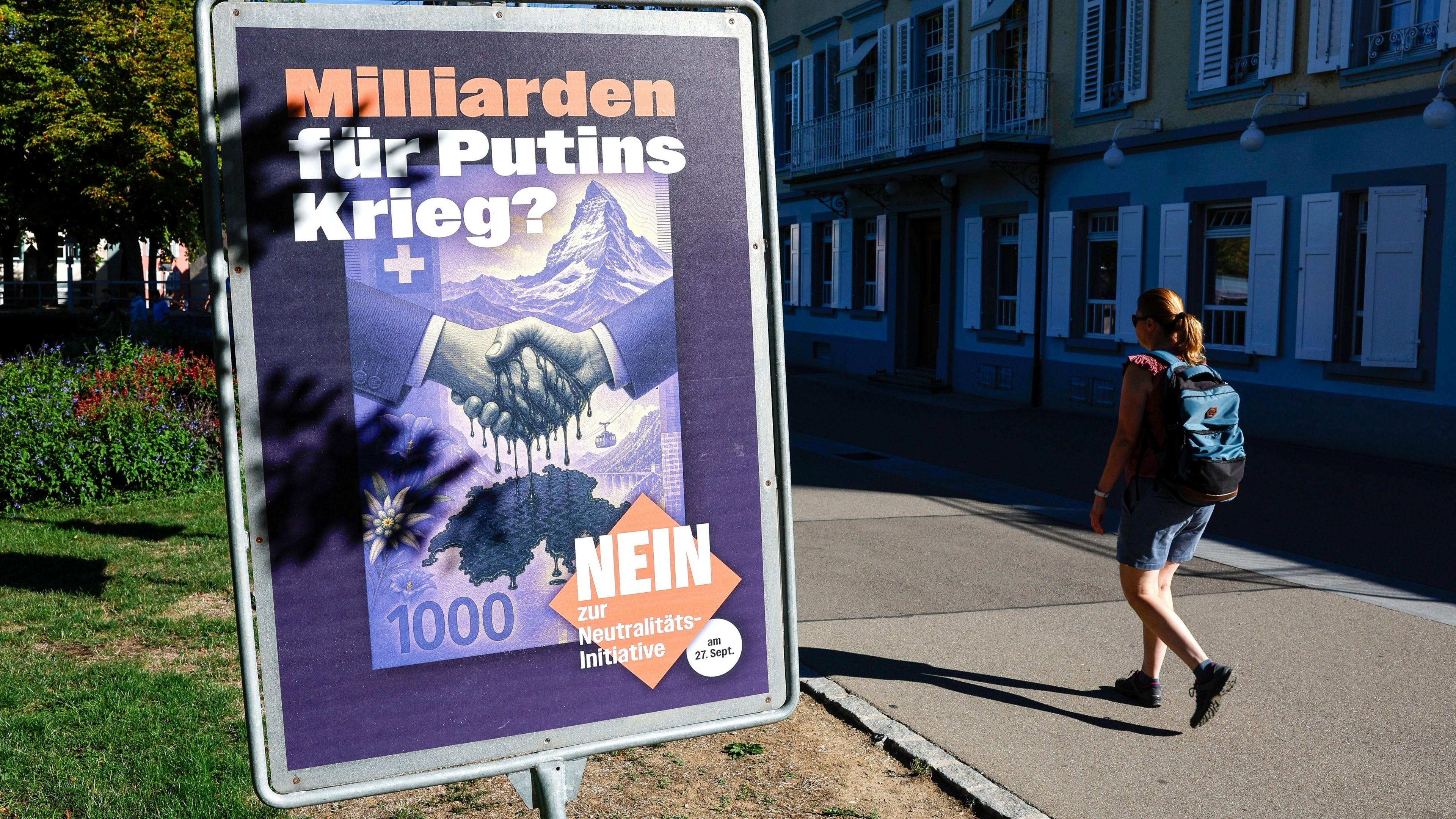
Swiss voters reject stricter neutrality, uphold current stance amid Ukraine conflict
In a nationwide referendum held earlier this week, more than 70% of Swiss voters rejected a proposal that would have tightened the country’s neutrality regime. The measure, if approved, would have required Switzerland to seek UN approval before imposing sanctions and would have impeded closer ties with NATO.
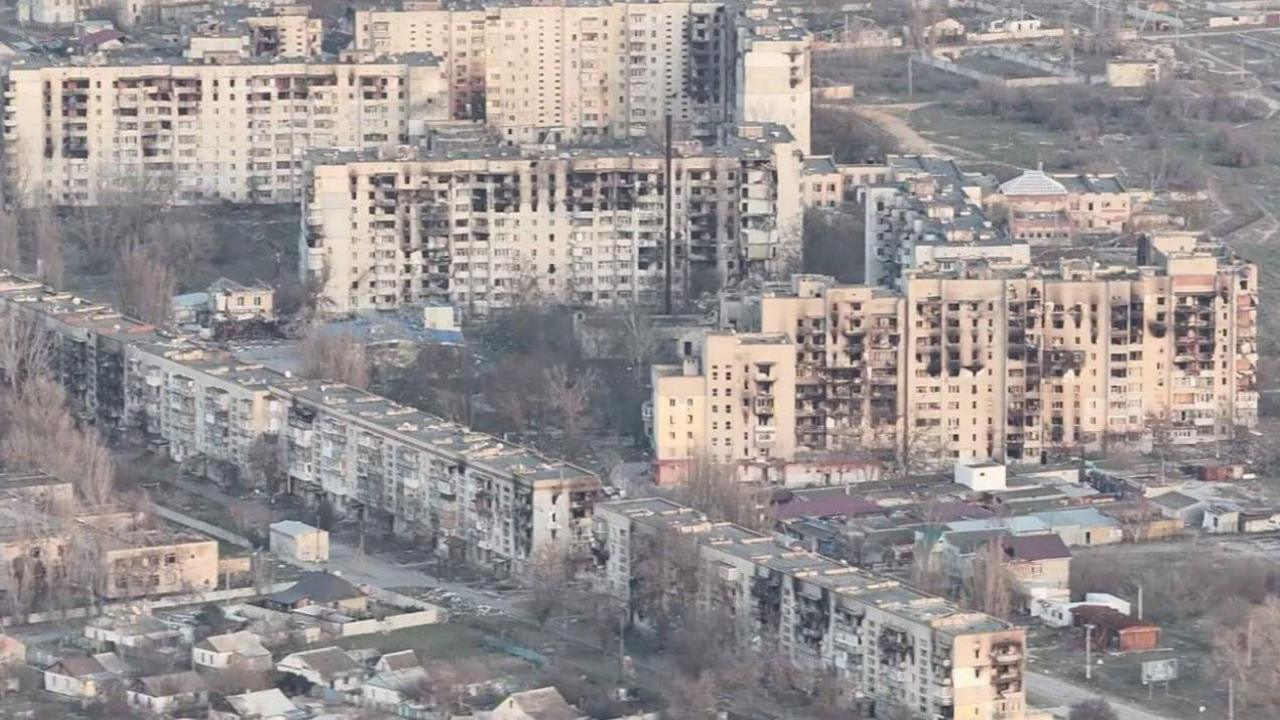
The outcome comes amid widening debate stirred by Russia’s 2022 full‑scale invasion of Ukraine, which has revived questions over Switzerland’s traditional non‑alignment. Moscow publicly supported the initiative, while the Swiss People’s Party championed it; the federal government and all other major parties opposed it.
According to Lukas Golder, co‑director of research institute Gfs.bern, the vote does not indicate a rejection of Switzerland’s neutrality but rather signals a commitment to oppose Russian aggression through sanctions. German liaison Ignazio Cassis added that neutrality in Switzerland has always been flexible, and it does not mean indifference toward violations of international rules.
The country’s neutrality, first formally recognised by the Congress of Vienna in 1815, is codified in the 1907 Hague Convention, which forbids supplying weapons to warring states. Switzerland has historically maintained neutral status even during World War II, although it has faced criticism for past wartime policies. Direct democracy means such pivotal issues often reach voters through referenda, a process that has once again demonstrated the Swiss public’s preferences on foreign policy matters.