Swiss Voters Reject More Stringent Neutrality Rules Amid Ukraine Conflict
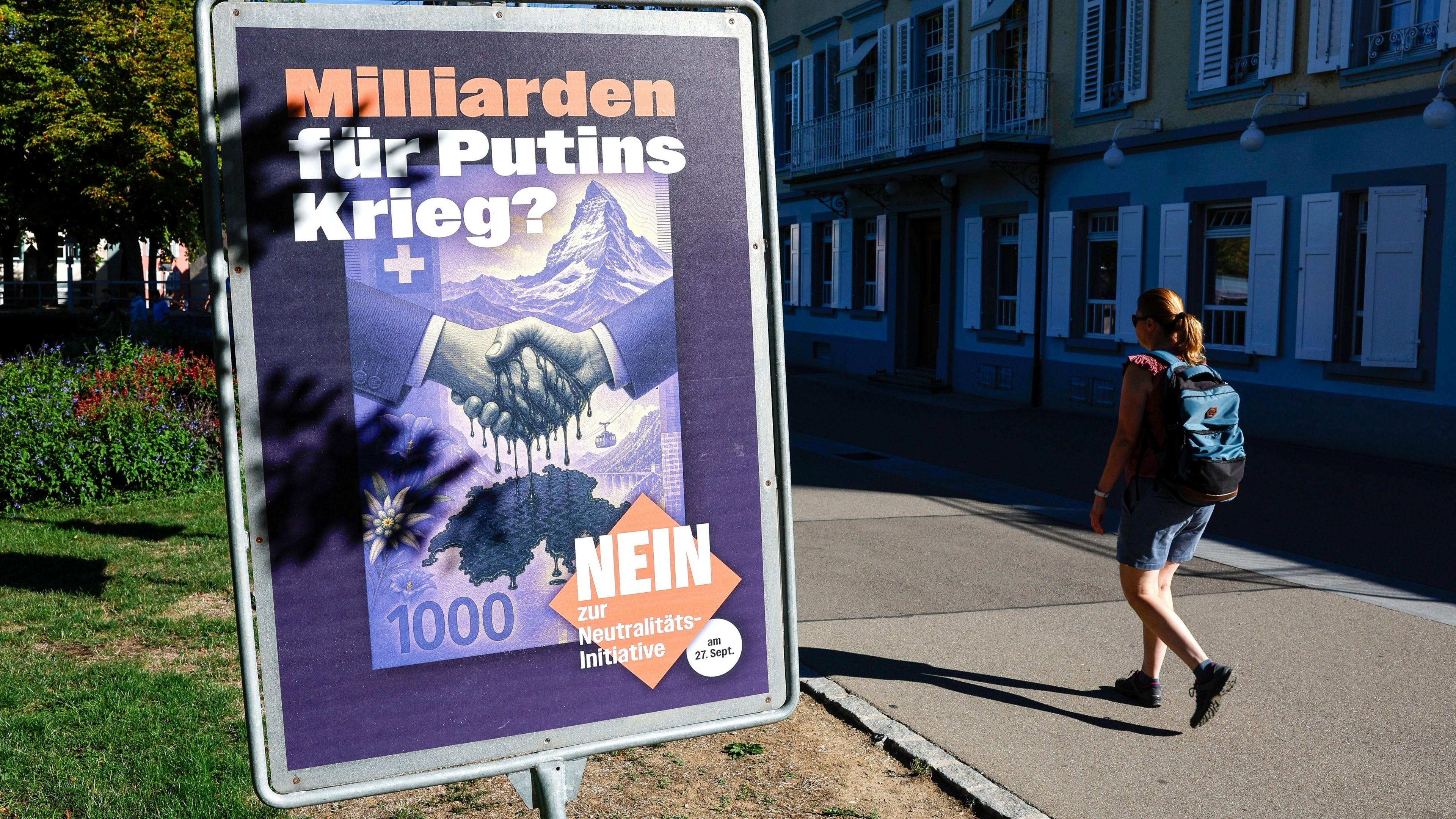
More than 70% of Swiss voters turned down a proposal that would have tightened the country’s neutrality stance by requiring United Nations approval before imposing sanctions. The measure, supported by the right‑wing Swiss People’s Party (SVP) and backed by Russia, also would have barred Switzerland from deepening ties with NATO.
Scholars interpret the result as a rejection of a stricter neutrality doctrine while signalling strong support for sanctions against Russia. “People have a clear idea of what Switzerland’s neutrality is supposed to achieve,” said Lukas Golder, co‑director of research institute Gfs.bern.
Foreign Minister Ignazio Cassis underscored that neutrality is flexibly applied and does not mean indifference. He added that Switzerland would “not look away” from violations of international rules that sustain peace.
Switzerland’s neutrality was formally recognized in 1815 at the Congress of Vienna and codified in the 1907 Hague Convention, which prohibits supplying weapons to warring states. The country has faced scrutiny for past policies, such as banking Nazi gold and refusing Jewish refugees, and issued apologies in the 1990s.
The decision reflects Switzerland’s long‑standing system of direct democracy, which frequently delegates pivotal foreign‑policy choices to the electorate through referenda.