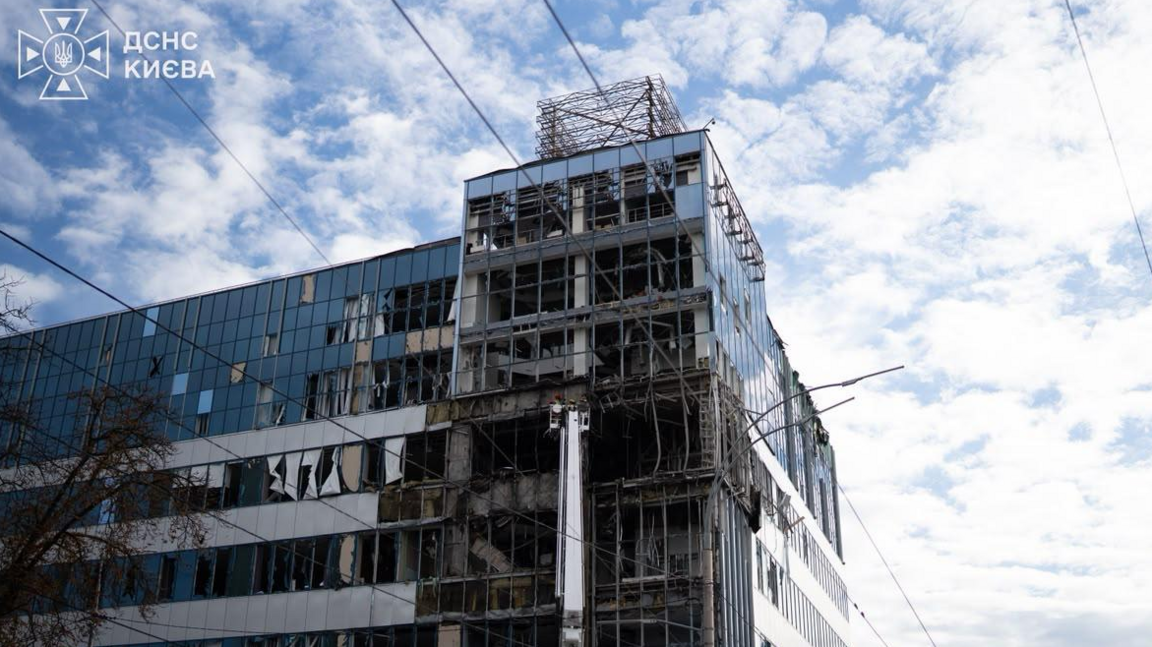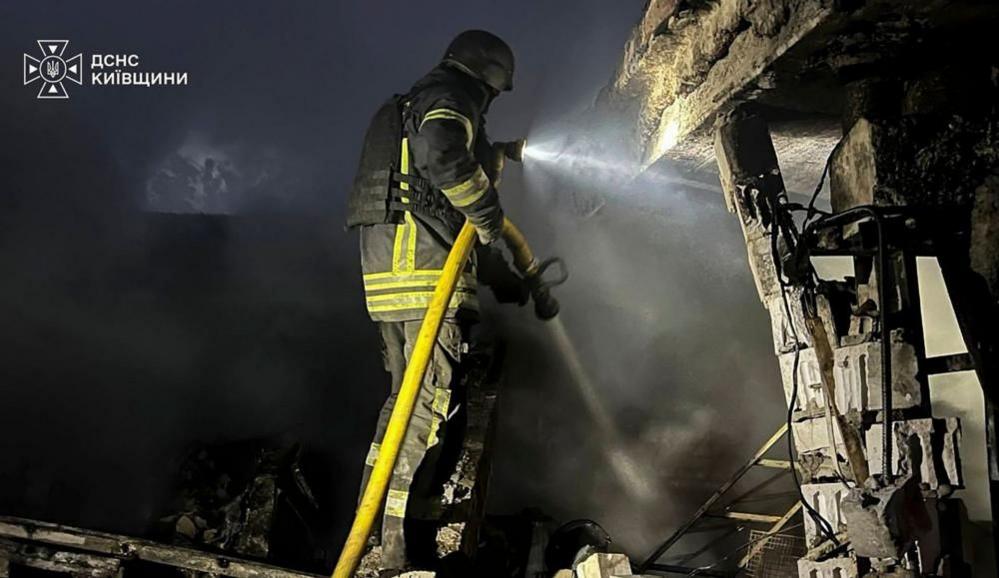
Russia launched what officials call the largest night‑time attack on Ukraine’s energy infrastructure since the spring, hitting key facilities around Kyiv and the surrounding region.
The offensive, launched early Tuesday, claimed at least five lives — including a child in the Kyiv region — and left civilian infrastructure and transport hubs within 11 provinces under attack.
The Russian defence ministry confirmed that a primary target was the Trypilska thermal power plant, about 40 kilometres from the capital. Ukrainian operators reported damage to the facility, which supplies electricity to Kyiv’s defence installations and the city’s civilian grid.
Despite the sudden power disruptions, Ukraine’s biggest private energy firm DTEK said it had restored electricity to approximately 8,000 households after a “difficult night” for the capital.
Residents in several districts of Kyiv woke to a thick, acrid haze from the bombardment, with continued air‑raid alerts and the distant echo of air‑defence gunfire. Local authorities advised opening windows only after the smoke cleared.
The strike was part of a broader pattern; Russia has repeatedly targeted Ukraine’s grid every winter since the 2022 invasion, hoping to destabilise the country's war effort and civilian morale.
Meanwhile, Ukraine’s military counter‑measures included strikes on Russian drone depots in the occupied Donetsk region, while Russian forces intercepted over 380 Ukrainian drones overnight, including a flight aimed at Moscow.
Ukrenergo, Ukraine’s state‑owned grid operator, advised citizens against operating high‑power appliances between 10:00 and 16:00 local time as supply levels fell below normal. Social media and official channels continue to monitor the damage assessment and restoration timelines.
The event underscores the delicate interplay between energy infrastructure resilience and national security, and points to an urgent push for smarter, more resilient grid designs capable of withstanding advanced kinetic and cyber attacks.