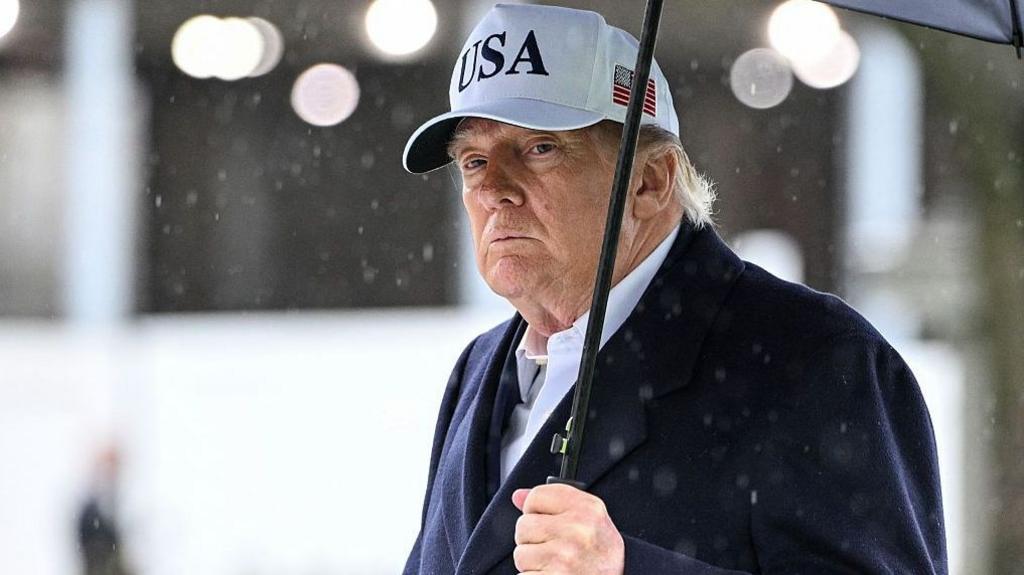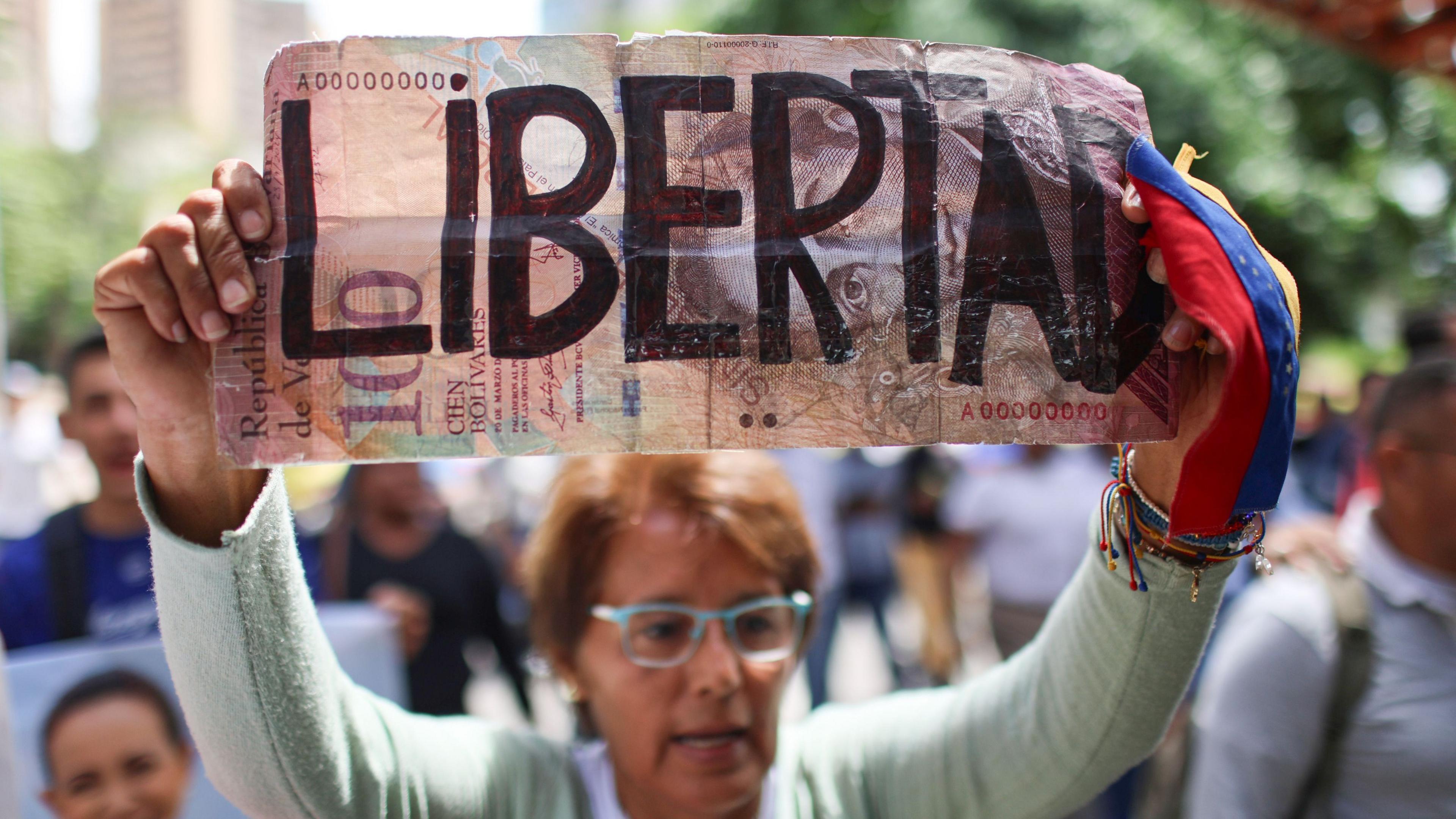
Venezuela released dozens of political prisoners early Saturday, a move that human‑rights groups say may be linked to the country’s interim leader’s recent meeting with U.S. President Donald Trump.
The first names made public were Wilder Vázquez, serving a five‑year sentence awarded in 2018 after accusations of plotting to kill former president Nicolás Maduro, and Frank Cabañas, who spent nearly a decade behind bars after being accused of a police officer’s death.
Other released inmates included former newspaper editor Miguel Castillo Cedeño, who was detained since June 2019, and additional detainees still held in several Venezuelan prisons.
The releases are part of a broader “prisoner‑release scheme” launched by Rodríguez’s administration following the ousting of Nicolás Maduro. The program, which has been criticized for stopping abruptly in early April, was described by the interim government as a chance for reconciliation and a sign of goodwill toward the opposition.
“A significant number” of political prisoners have been freed, according to Gonzalo Himiob, vice‑president of the rights group Foro Penal. Despite the high‑profile releases, the government has yet to comment on whether they were a direct result of Rodríguez’s talks with President Trump.
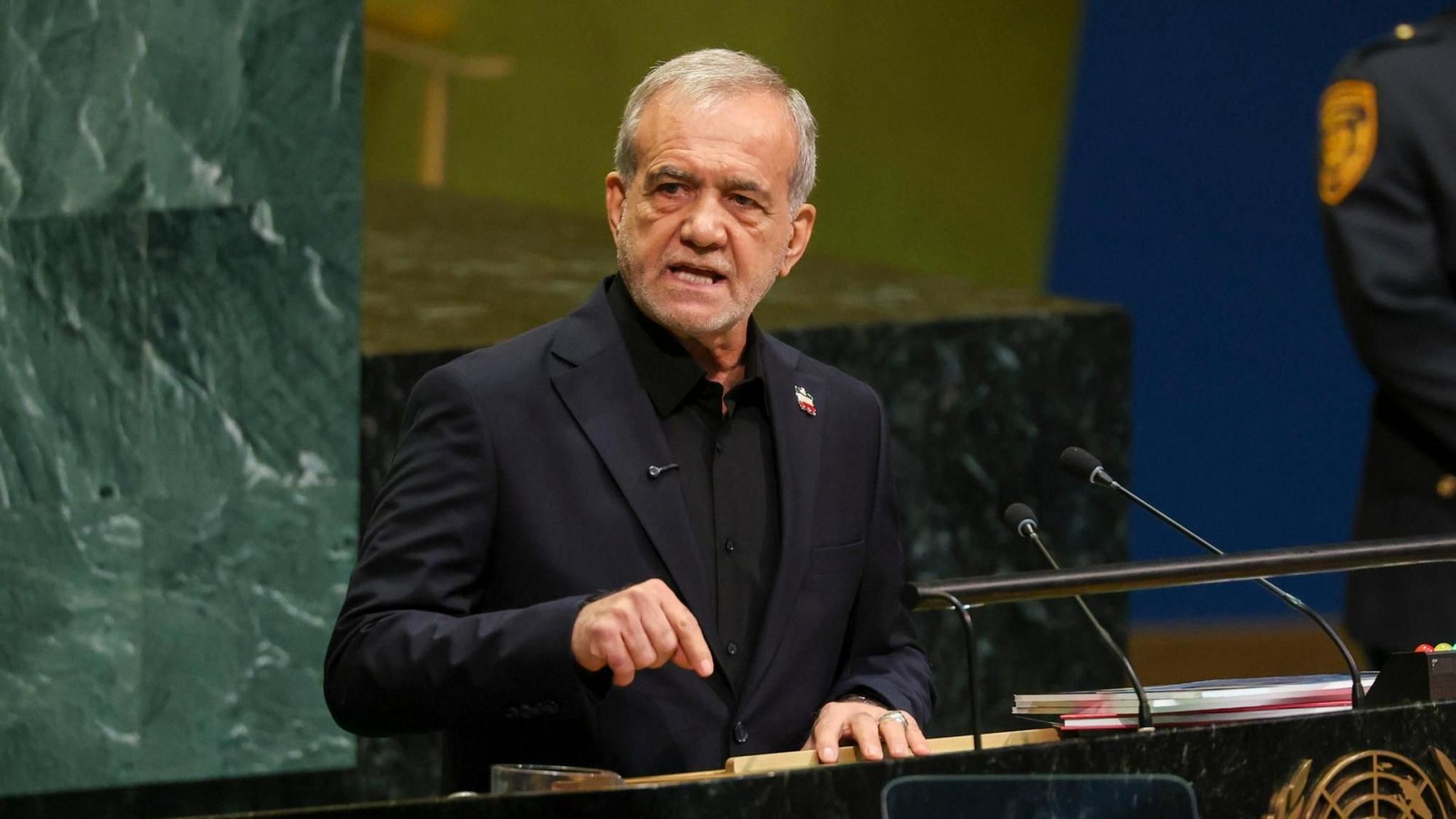
Meanwhile, opposition leaders are demanding a new election. Rodríguez’s UN General Assembly address reiterated her intention to hold elections, but the lack of a precise timetable fuels skepticism. Critics claim the provisional political prisoners’ release will not lead to substantive democratic reform unless a transparent electoral process follows.
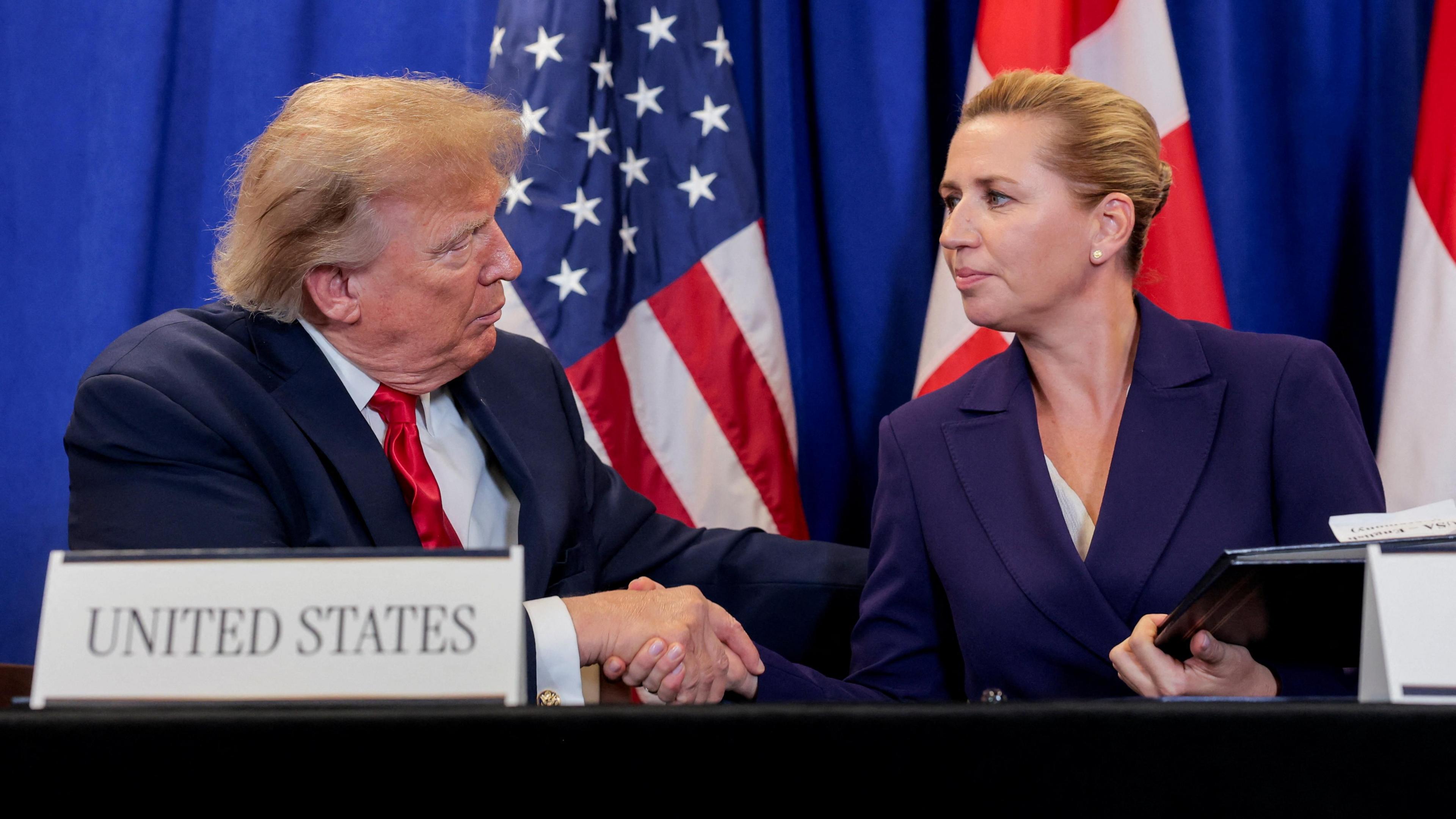
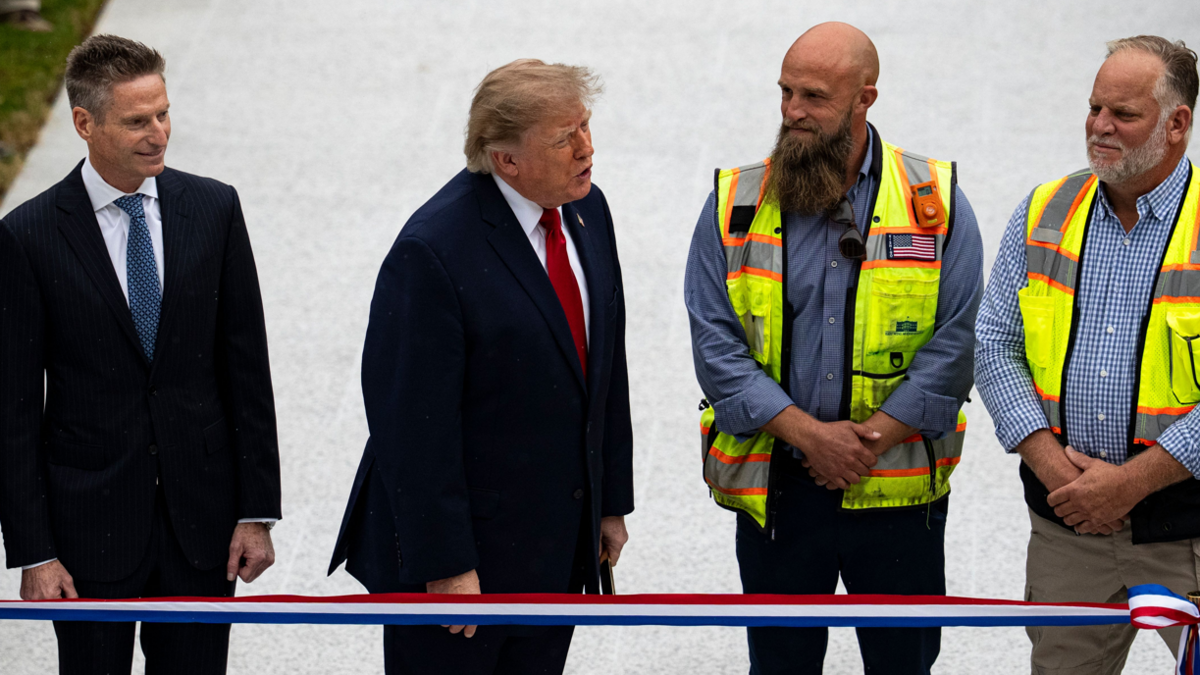
The meeting between Rodríguez and Trump at the United Nations was billed as a “great triumph of peacemaking diplomacy” by Interior Minister Diosdado Cabello, a close ally of Maduro’s regime. Opposition spokesmen dismissed the encounter, accusing Washington of cherry‑picking allies and ignoring genuine democratic demands.
With Venezuela’s last elections cast in doubt by accusations of fraud, these prisoner releases, coupled with external diplomatic pressure, bring the nation to a crossroads where freedom of the press, pressure from the United States, and hope for an actual vote remain the central points of contention.