The new rift in the Ukraine war came when President Volodymyr Zelensky told reporters that Moscow’s latest attacks focus on data centres and internet providers, turning civilian communication hubs into targets for political leverage.
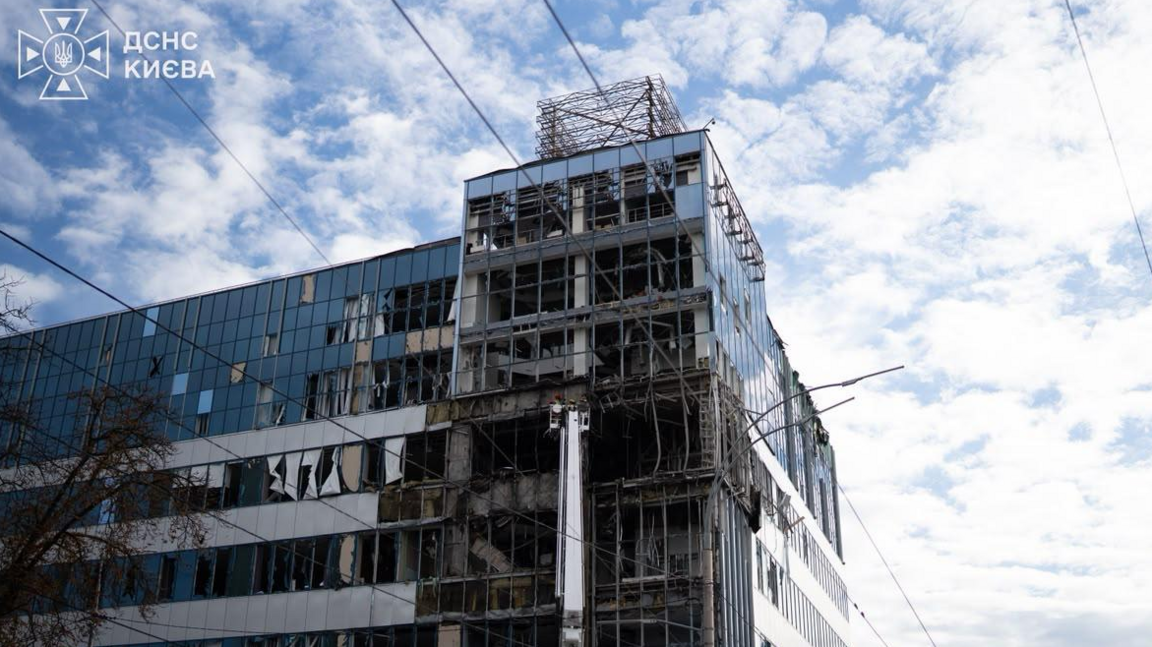
A Russian drone struck the Inkom business centre in Kyiv’s Pecherskyi district on Friday, killing four people and damaging a Datagroup data hub used by Ukrainian military intelligence. 4‑hour‑long outages strangled roughly 100,000 households, disabling cloud‑based learning, work and emergency services.
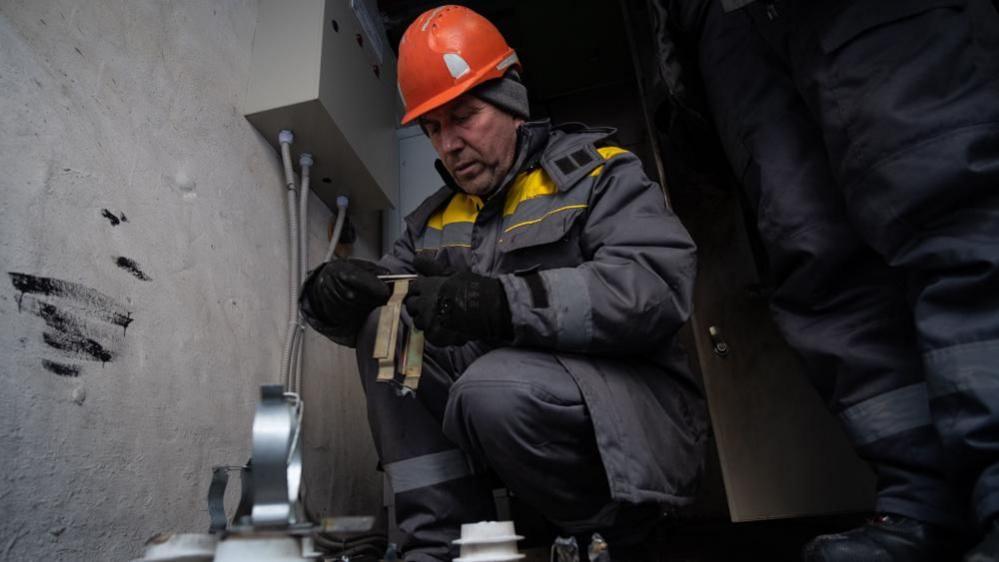
Datagroup’s specialists are now routing all traffic to backup offshore sites, a move echoed by several Ukrainian tech firms. The Ministry of Digital Affairs signals that “rapid alerts about missile and drone threats are essential” – the technological backbone to national survival.
Other Russian strikes hit telecom sites – New‑Telco, United DC and Kyivstar – and an alleged sabotage of a Polish Starlink station that feeds Ukraine’s connectivity. Moscow’s hybrid war now stretches from energy and railway sabotage in winter cold to cyberspace denial.
In response, Kyiv’s defence‑technology adviser said the country will absorb local disruptions but will likely see costs rise due to repair expenses. EU officials have pledged €6.6 bn – including €900 m for the Military Assistance Mission – to shore up Ukrainian infrastructure, while the United Nations calls for swift cyber‑security support.
For the science and technology community, the crisis highlights why decentralised architectures and real‑time intrusion detection matter. Emerging quantum‑sensing techniques could allow for ultra‑fast anomaly detection in data traffic, giving governments a critical edge against sophisticated hybrid threats.
The battle for Ukraine’s digital heart is just beginning, and the world must step up both financial backing and technological innovation to keep – and prove – the nation’s internet alive.