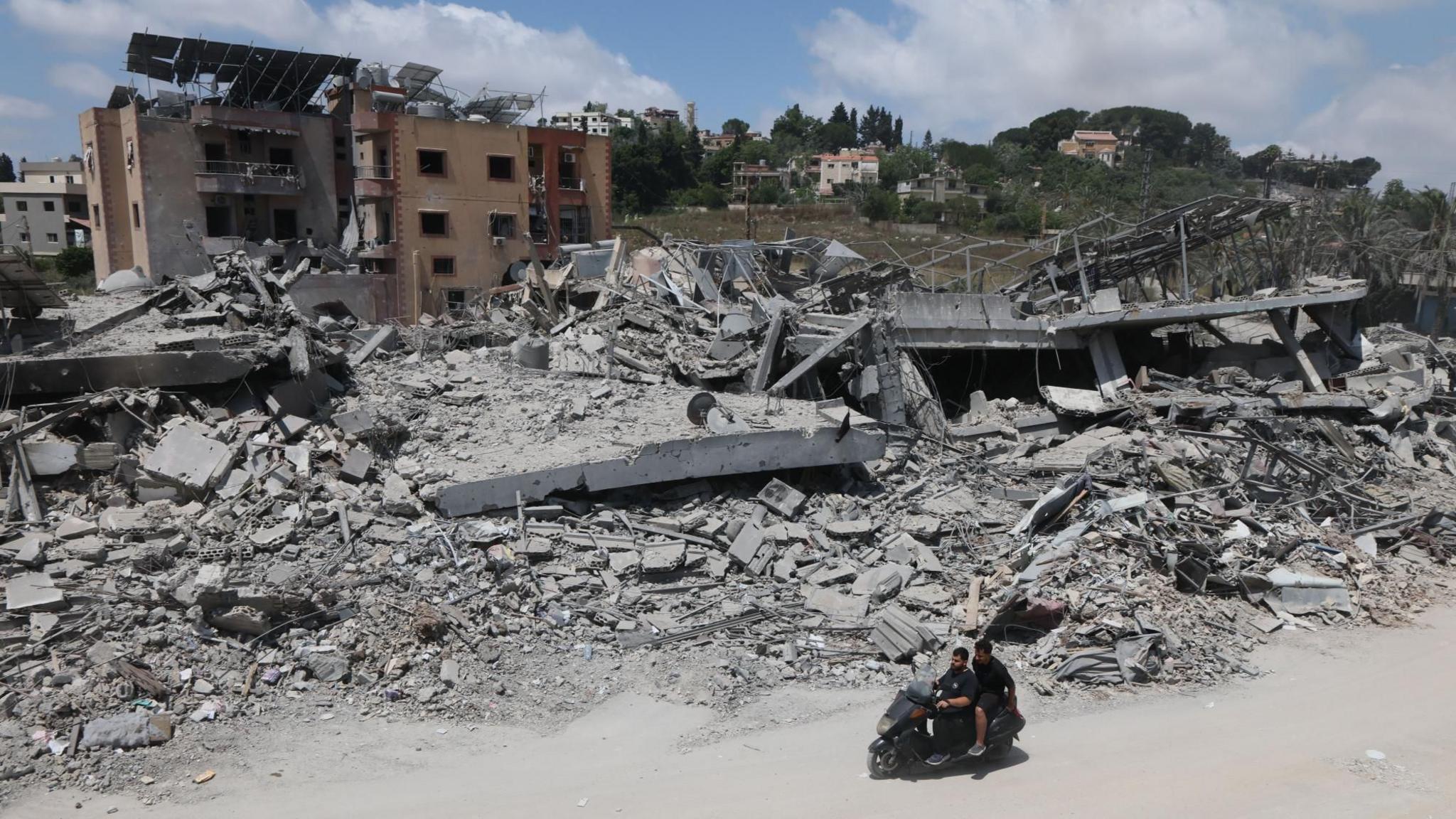
Colombia’s 2026 presidential contest is being fought in a battlefield of its own making. With the state’s reach already dimming in rural provinces, the fusing ambitions of armed groups, drug traffickers and criminal networks have turned the country’s roadways into hazard zones. The violence has cost the lives of hundreds of thousands and reshaped a nation that has struggled for peace for more than 60 years.
“My brother was murdered for not paying an extortion payment…in front of his children,” said Edilma Martinez Flores in a Bogotá refuge center. She fled her home after leaflets threatened the populace to leave or face bomb threats. Stories like hers illustrate why every voter is tuning into the debate over violence, security and governance.
The armed cane of 2024‑25 saw a 300‑percent rise in forced displacement, according to government honourable Isabelita Mercado Pineda, the country’s advisor on peace and reconciliation. Displacement is driven by a surge in cocaine production, gaps left by the post‑2016 FARC demobilisation, and a “failure” of state policy that gives criminal groups a carrot but no stick.
Security policy is at the core of the two leading contenders. Senator Iván Cepeda—once the architect of President Gustavo Petro’s “total peace” strategy—promises a re‑evaluation of the ceasefire model, strengthening regulation of armament and ushering in re‑current social programmes to tackle the structural roots of insecurity. He champions negotiated peace but insists tough law‑enforcement support is essential.
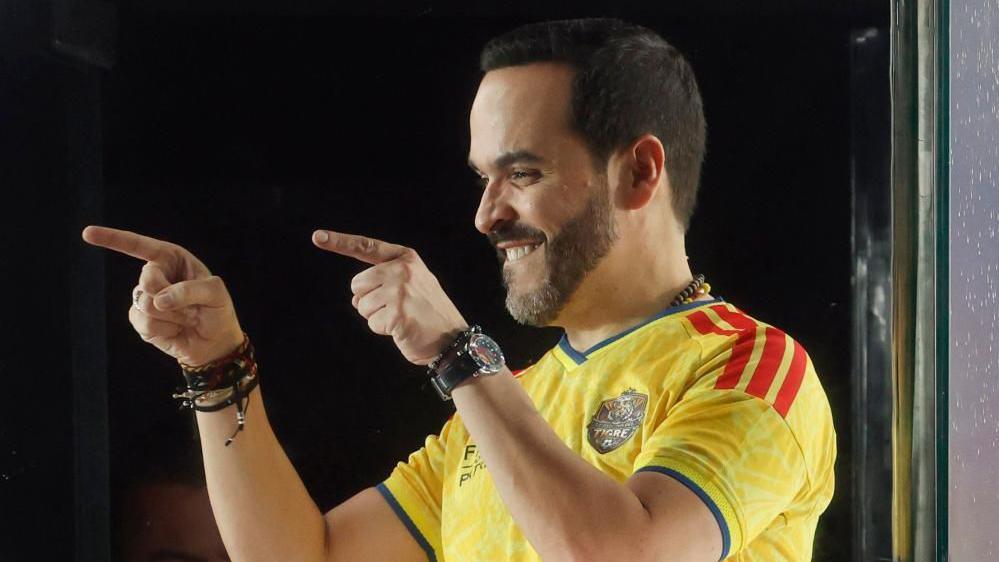
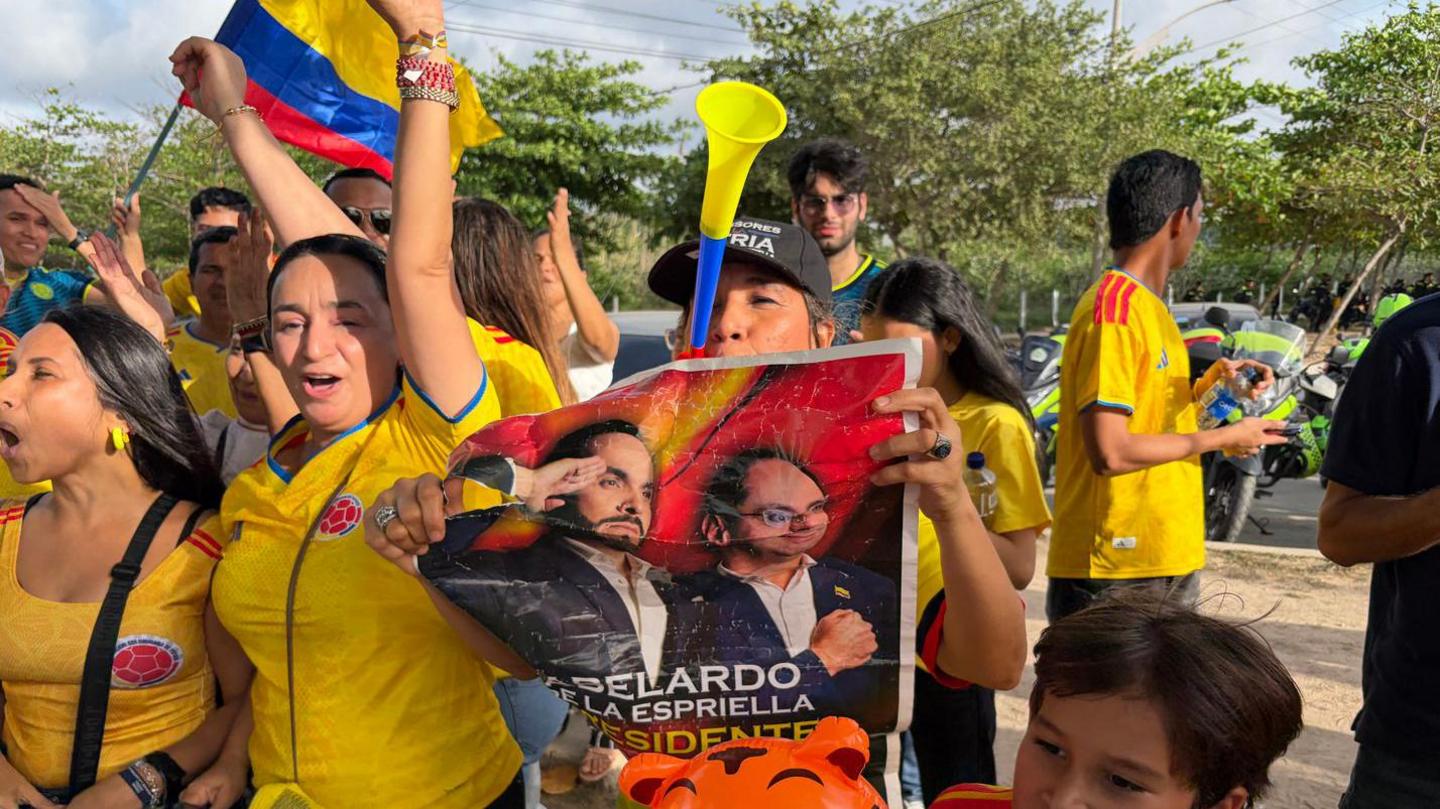
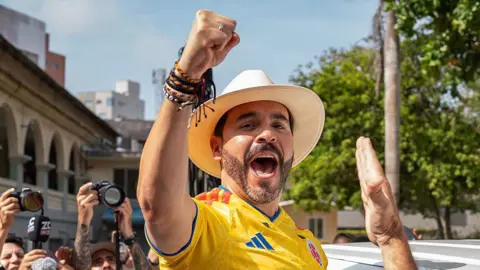
Opposite him is the entrepreneur and political outsider Abelardo de la Espriella, who has obtained an endorsement from former U.S. president Donald Trump and labels himself “The Tiger”. De la Espriella vows a 10‑megaproject prison initiative, a strong military clamp‑down, and a complete halt to negotiations with cartels. His supporters rally in a style set by Colombian football shirts, a trope that has aroused ideological debate.
The political contest is therefore not just a leadership showdown but a crucible for Colombia’s future security doctrine. A left‑wing policy of combined repression and social upliftment threatens to maintain fragile peace but risks alienating entrenched criminal groups. A right‑wing hard‑line empowerment weighs on an ambiguous future relationship with the United States, or a new patriotic narrative in Colombia’s fight against violence.
The impact of the decision will be visible to all Colombians. From displaced families who have lost homes to hopeful young voters who champion Cepeda’s plan to fight poverty, the outcome will shape the everyday life of a nation that has long_been stuck in a precarious balance of peace & violence.
“The election will make it more divided.”