In brief
US President Donald Trump has announced the reversal of the endangerment finding, a key element of Obama-era climate policy. Experts predict six major impacts from this change, including fewer restrictions on greenhouse gas emissions, the potential for cheaper cars in the US, increased public health risks, and a decline in US competitiveness in renewable energy. Environmental groups are gearing up for legal challenges against this ruling.
US President Donald Trump has announced the reversal of the so-called endangerment finding, a key Obama-era scientific ruling that underpins much of US environmental legislation. This change is expected to bring about a variety of environmental and economic impacts, with the decision by the US Environmental Protection Agency (EPA) likely to face legal challenges from environmental groups. Here are some of the anticipated effects:
1. Fewer Greenhouse Gas Emissions Restrictions
With the repeal of the endangerment finding, there will be fewer restrictions placed on greenhouse-gas-producing industries, especially vehicle manufacturers. The 2009 finding was based on a report by the EPA identifying six greenhouse gases posing threats to future generations. This abolition will significantly lift regulatory burdens, potentially leading to an estimated increase of 7.5 - 18 billion tonnes of greenhouse gases emitted by 2055.
2. Cheaper Cars in the US
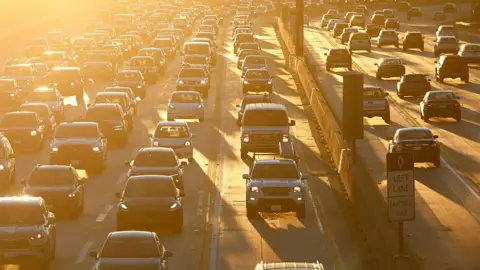
Trump's administration argues that removing the endangerment finding will economically benefit consumers by reducing automobile manufacturers' costs by approximately $2,400 per vehicle. However, this move may hinder the export potential of US-made cars, as international markets continue to impose strict emissions regulations.
3. Rise in Nuisance Lawsuits
The elimination of the endangerment finding may revitalize legal actions based on public nuisance claims against polluters. Historically, various US states have prosecuted companies, seeking accountability for environmental damage.
4. Public Health Concerns
Critics warn that the rollback of emissions standards might lead to health crises, with predictions of up to 58,000 additional premature deaths and millions of asthma attacks by 2055. The EPA’s stance that emissions standards are not essential for public health has raised eyebrows among scientists and health experts.
5. Falling Behind in the Global Renewables Race
While the administration touts economic savings, experts caution the US may fall behind in the global renewable energy race. Other nations, particularly China and EU countries, are advancing rapidly in clean energy technologies. Former U.S. officials express concern that scrapping standards could leave US manufacturers stranded with obsolete technology.
6. Less Industry Regulation
The deregulation effort is described by EPA administrator Lee Zeldin as one of the largest in US history, claiming substantial taxpayer savings. Nonetheless, opponents argue that such deregulation may embolden environmental degradation and neglect the long-term cost of climate change,” risking lives and infrastructure globally.
As the landscape of US climate policy shifts, the predicted impacts underscore a crucial crossroads for environmental sustainability and economic growth.